
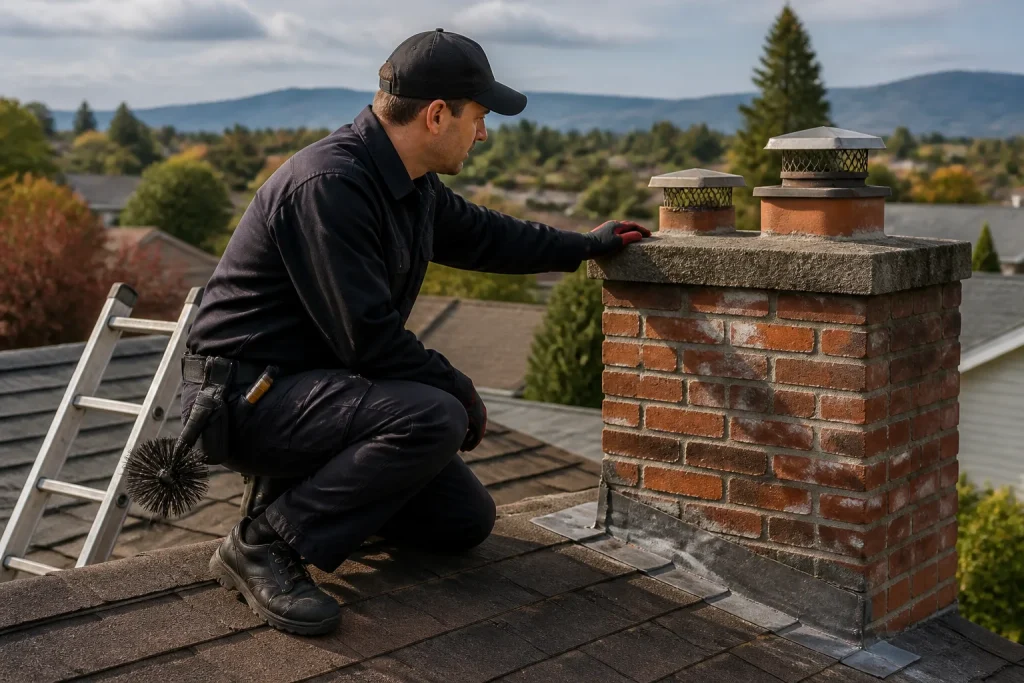
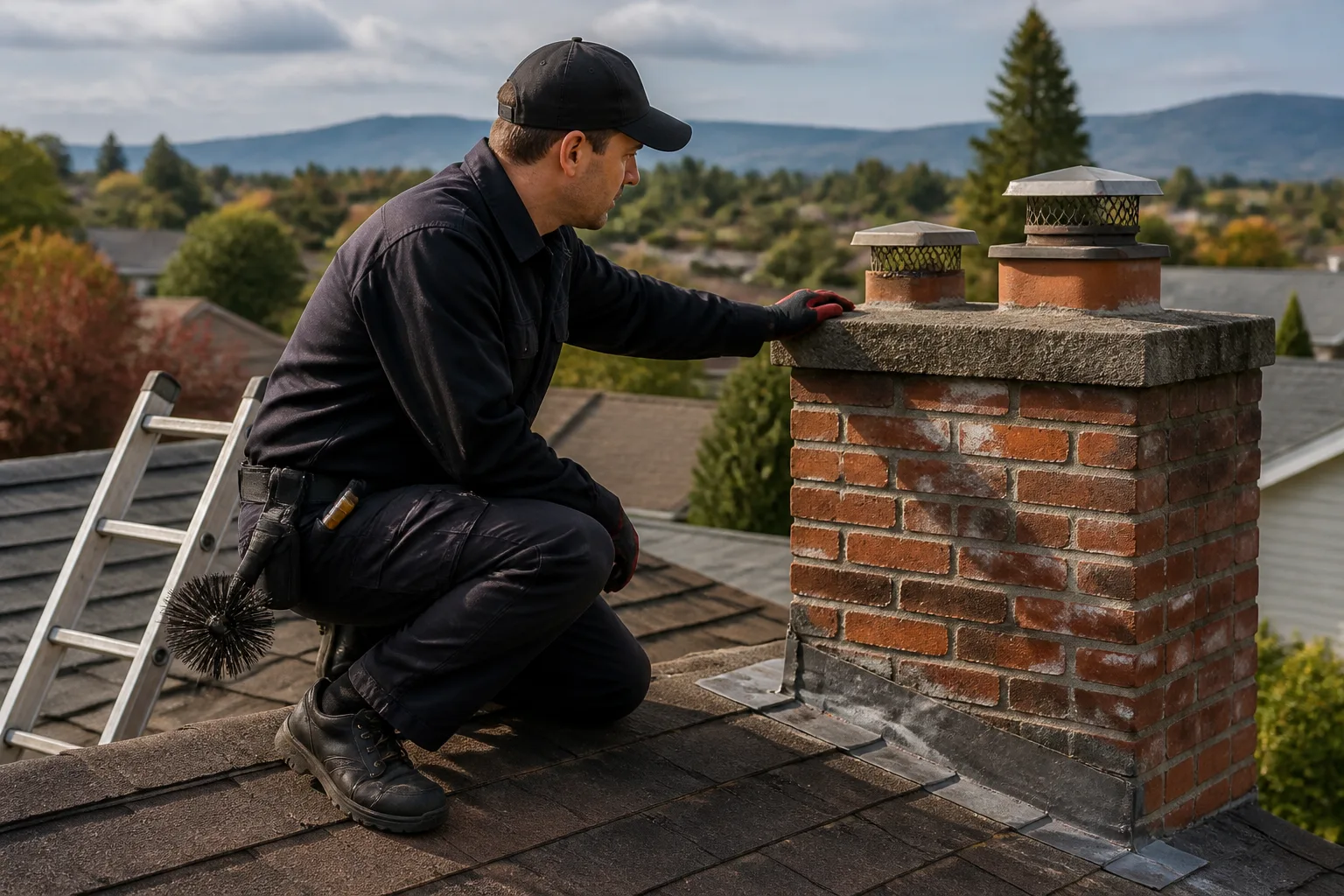
Emergency Chimney Sweep Near Me: What Sunnyvale Homeowners Should Do First
If you smell smoke inside your Sunnyvale home, hear a low rumbling from the flue, or see smoke pushing back into the room, stop using the fireplace immediately and close the damper if you can do so safely. Then call a chimney professional who can talk you through the next steps while help is on the way. If you’d rather not figure this out alone, call (833) 593-7116. We answer 24/7. Fast dispatch from 7am to 7pm, Sunday through Friday.
Here’s the thing about chimney emergencies: they rarely announce themselves the way people expect. A chimney fire doesn’t always sound like a freight train. Sometimes it’s a deep, muffled whoosh that comes and goes. Sometimes it’s just an odor that reminds you of a hot cast-iron pan, except it’s coming from the walls. And sometimes there’s no smoke at all, just a strange popping sound where the flue runs through the house. By the time symptoms are obvious, the problem has usually been developing for a while. So the first rule is simple: trust your senses. If something about your fireplace feels wrong, it probably is.
What Actually Counts as a Chimney Emergency in Sunnyvale
Most calls we get from Sunnyvale homeowners fall into one of three categories, and each needs a different immediate response. Knowing which one you’re dealing with changes what you should do in the first few minutes.
A chimney fire. This is the serious one. You might hear a rumble or a roar, see flames or glowing material at the chimney top, or smell something sharp and acrid. What’s happening is that creosote, a tar-like byproduct of wood combustion, has ignited inside the flue. Chimney fires can reach temperatures that crack flue tiles and melt mortar joints. Even if the visible fire goes out on its own, the damage may have already happened. The correct move is to close the damper if accessible, which cuts off the fire’s oxygen supply, and get everyone out of the house while you call for help.
A blockage. This usually shows up as smoke backing into the room instead of going up the chimney. In Sunnyvale, where mild winters mean some fireplaces sit unused for months at a time, blockages often come from accumulated debris, nesting material, or collapsed mortar. A blocked flue is dangerous primarily because it forces carbon monoxide and smoke back into your living space. If you’re seeing backdrafting, stop adding wood, open a window to ventilate, and don’t use the fireplace again until it’s been inspected.
Severe backdrafting. This can look like a blockage but has a different cause. Sometimes the house itself is fighting the chimney. Exhaust fans running, a tightly sealed home, or even wind conditions around your roof can create negative pressure that pulls smoke downward. The fix isn’t always inside the flue. A professional needs to evaluate the whole system, including the height of the chimney, the cap, and how air moves through your house. This is exactly the kind of problem that gets misdiagnosed by someone who only knows how to run a brush up a flue.
The First 20 Minutes: A Sequence That Actually Helps
When something goes wrong with your fireplace, the order of operations matters. Here’s what we recommend to Sunnyvale homeowners, and it’s the same sequence we walk people through when they call our emergency line.
- Stop feeding the fire. Don’t add another log. Don’t poke at it. Don’t throw anything on it. The goal is to reduce heat and flame as quickly as possible.
- Close the damper if you can. This starves a chimney fire of oxygen. But only do this if you can reach it without putting your face or hands near the firebox opening.
- Do not run water into the firebox. This is the most common mistake we hear about. Water hits hot masonry and creates steam that can crack bricks and mortar. It also doesn’t reach the fire inside the flue, which is usually above the firebox. Water in the firebox is the wrong tool for a flue problem.
- Ventilate the room. Open a window or exterior door. This helps clear smoke and reduces carbon monoxide buildup while you assess the situation.
- Make the call. When you reach a chimney company, be ready to describe exactly what you’re seeing, hearing, and smelling. Those details determine what kind of equipment the technician brings and how urgently they need to get to you.
One more thing: don’t go on the roof. It’s tempting to look down the chimney and see what’s happening, but a chimney fire in progress can send embers and superheated gases out the top. The view from your driveway will tell you almost as much, and it’s a lot safer.
What to Tell the Technician When You Call
The person who answers your call isn’t just taking down your address. They’re doing triage. Good information from you helps them make good decisions about how to respond. Here’s what makes a difference.
Describe the sound. A roar is different from a rumble, which is different from a crackle. A roar usually means an active chimney fire. A rumble can mean creosote ignition or a structural issue. A crackle might just be normal fire sounds. Be specific.
Describe the smell. Sharp and acrid suggests creosote. Musty or organic could mean nesting material or debris. A smell like hot metal often comes from the damper or the firebox itself. Each points in a different direction.
Describe the smoke. Is it white, gray, black, or yellow? Is it coming into the room, or is it only visible outside? Thick black smoke from the chimney top is a different situation than light gray wisps inside the house.
Say when you last used the fireplace. If it’s been months, that’s relevant. So is how often you burn wood, what kind of wood, and whether you’ve noticed anything odd in previous fires.
All of this helps the technician decide whether this is a “stop using it and wait for an appointment” situation or an “we’re coming now” situation. And when help arrives, they’ll already know what tools to bring up the ladder.
Why the Right Credentials Matter More in an Emergency
An emergency is the worst possible time to find out that the person on your roof doesn’t actually know chimney systems. In Sunnyvale, where many homes were built between the 1950s and 1980s, chimneys often have original clay tile liners that have been through decades of heating and cooling cycles. Knowing what to look for inside those liners takes training and the right equipment.
Here’s a practical question to ask before anyone climbs onto your roof: “Do you do a camera inspection before recommending repairs?” If the answer is no, be cautious. A visual check with a flashlight misses cracks high in the flue, voids behind the tile, and damage that only a camera can reveal. We’ve talked to too many Sunnyvale homeowners who were told they needed a new liner based on nothing more than a glance up the flue and a guess.
Also ask whether the company handles chimney repair in-house. If the person who finds the problem isn’t the one who fixes it, you now have two appointments, two invoices, and a gap where the second contractor may not agree with what the first one found. A chimney sweep who also does repair work means one set of eyes through the whole process.
Finally, ask about materials. If a liner replacement is discussed, the parts should be professional-grade, not whatever was left on a shelf at the hardware store. We work with brands like DuraFlex and Gelco because they’re what certified chimney engineers specify, and because a liner that doesn’t fit the actual geometry of your flue is worse than no liner at all.
What a Legitimate Post-Emergency Inspection Covers
After any chimney emergency, the fireplace doesn’t go back into service until someone has looked inside with a camera. That’s not a suggestion. It’s the difference between knowing the flue is safe and hoping it is.
In our work across Sunnyvale, a proper post-emergency inspection includes a full visual review of the exterior, the cap, the crown, the firebox, the damper, and the flue interior. The camera goes the full length of the flue so you can see what we see. If there’s damage, you should get a clear explanation of what it is, what caused it, and what your options are. Sometimes the answer is a cleaning and you’re done. Sometimes it’s flue resurfacing with a product like HeatShield, which can restore damaged tiles without a full reline. Sometimes, in the hardest cases, a new liner is the only right call.
Whatever the finding, you should leave the inspection with documentation: images from the camera, a written summary, and a recommendation you can understand. If a contractor tells you the fireplace is dangerous but won’t show you why, get a second opinion. This is also a good moment to ask about your dryer vent. It runs on the same principle as your chimney, moving hot air and lint out of the house, and it’s one of the most common residential fire sources in the country. We do dryer vent cleaning alongside chimney work, which means one appointment can cover both venting systems in your home.
And here’s a piece of advice most people don’t hear until it’s too late: after any chimney fire, even a small one, the flue needs to be checked before the next fire. Hairline cracks in clay tile don’t always show up as dramatic damage, but they can let heat and gases reach combustible materials around the chimney. The time between “small chimney fire” and “next fire” is exactly when thorough inspection matters most.
The Bottom Line
A chimney emergency in Sunnyvale comes down to three decisions: stop using the fireplace immediately, don’t try to fix the fire with water, and call someone who can tell you what you’re actually dealing with. The right call gets you a technician who arrives understanding the problem, not one who has to figure it out from scratch on your roof. If you’re in Sunnyvale and need help, Chimney Cleaning Sunnyvale offers free estimates. Call (833) 593-7116. We answer 24/7. Fast dispatch from 7am to 7pm, Sunday through Friday.
Frequently Asked Questions
You’ll typically hear a low roar or rumble from the flue, see smoke or flames at the chimney top, or smell something sharp and acrid inside the house. A rumbling sound that changes with the fire’s intensity is a strong indicator. If you suspect a chimney fire, close the damper and call for professional help right away.
Closing the damper is the one DIY step that helps, because it cuts off oxygen to the flue. Do not run water into the firebox. The water turns to steam and can crack masonry, and it won’t reach the fire burning higher in the flue. After the fire is out, the chimney needs a camera inspection before you use it again. Call (833) 593-7116 for an exact quote, estimates are free.
For a wood-burning fireplace in regular use, once a year is the standard recommendation from fire safety organizations. Even if you only burn occasionally, creosote builds up over time and doesn’t go away on its own. If you’ve skipped a few years, an inspection before the next fire is the right move.
Creosote accumulates inside the flue, which raises the risk of a chimney fire. Moisture also finds its way into cracks and porous masonry, slowly widening the damage. By the time you notice a problem, the repair is usually bigger than a cleaning would have been. The good news is that most issues are manageable when caught early. Call (833) 593-7116 to schedule a check, and you’ll see exactly what’s happening inside your flue before spending money on anything.
Written by the team at Chimney Cleaning Sunnyvale, serving Sunnyvale since 2014.
Need Chimney Cleaning Help?
Call Chimney Cleaning Sunnyvale - licensed & insured, with free written estimates in Sunnyvale.
(833) 593-7116