
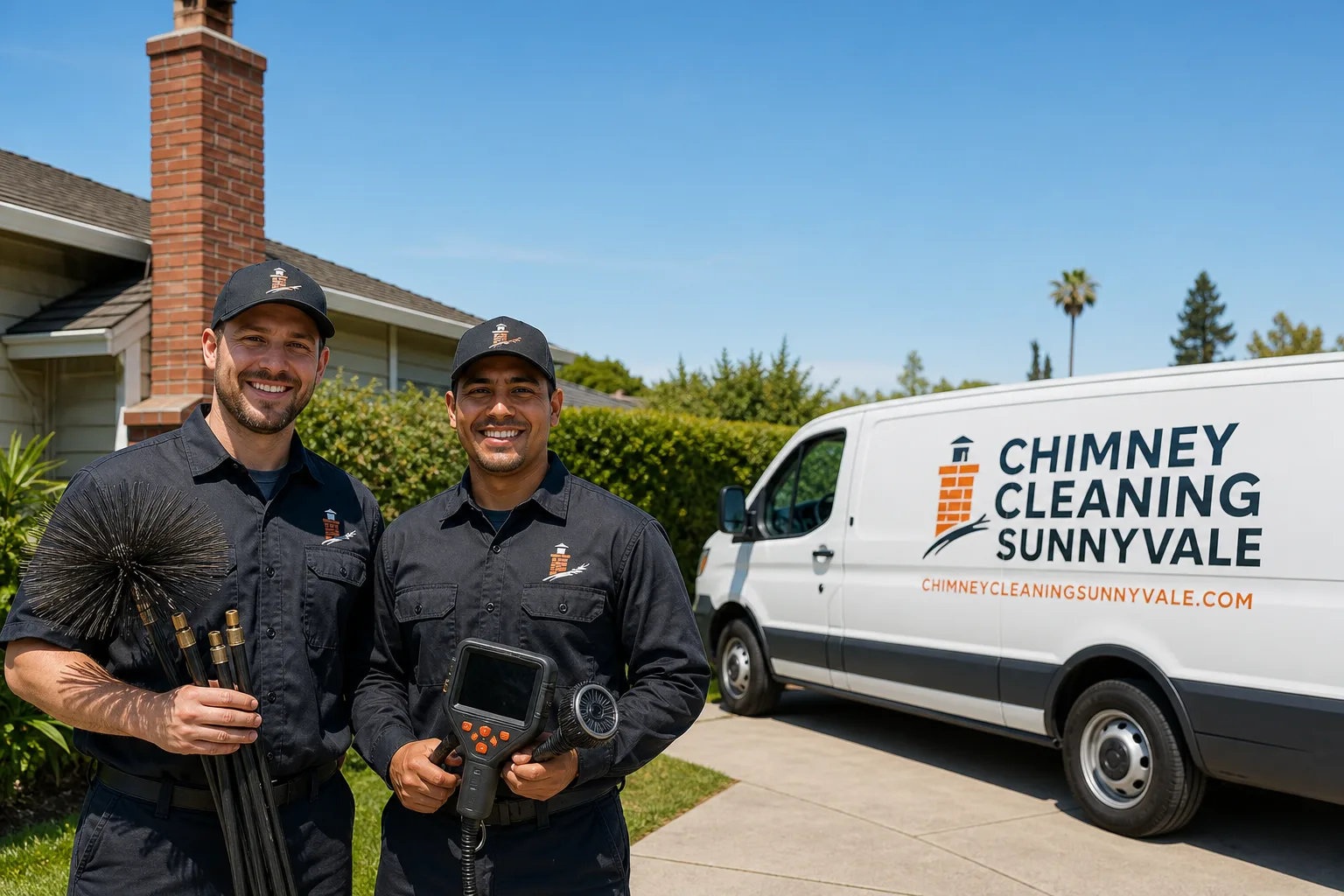
 Sweep & inspection
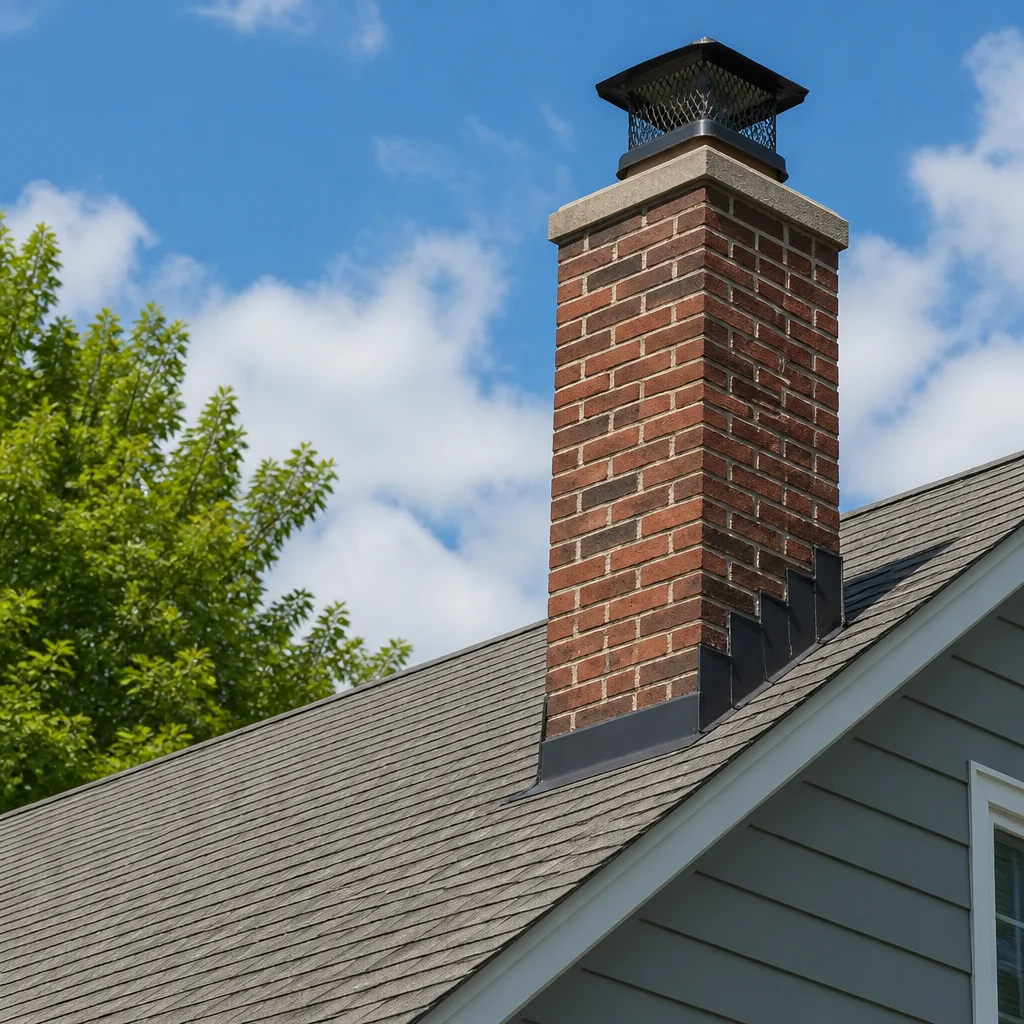
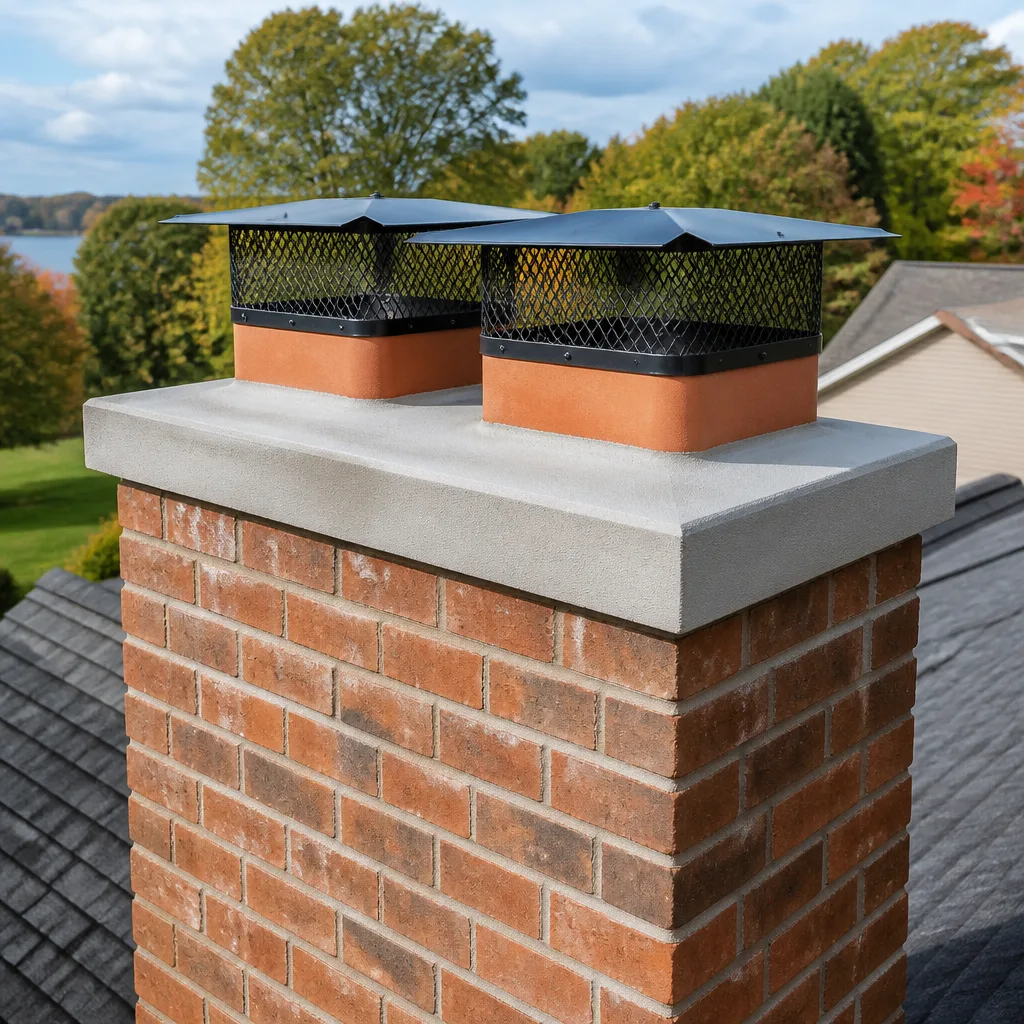 Caps & crowns
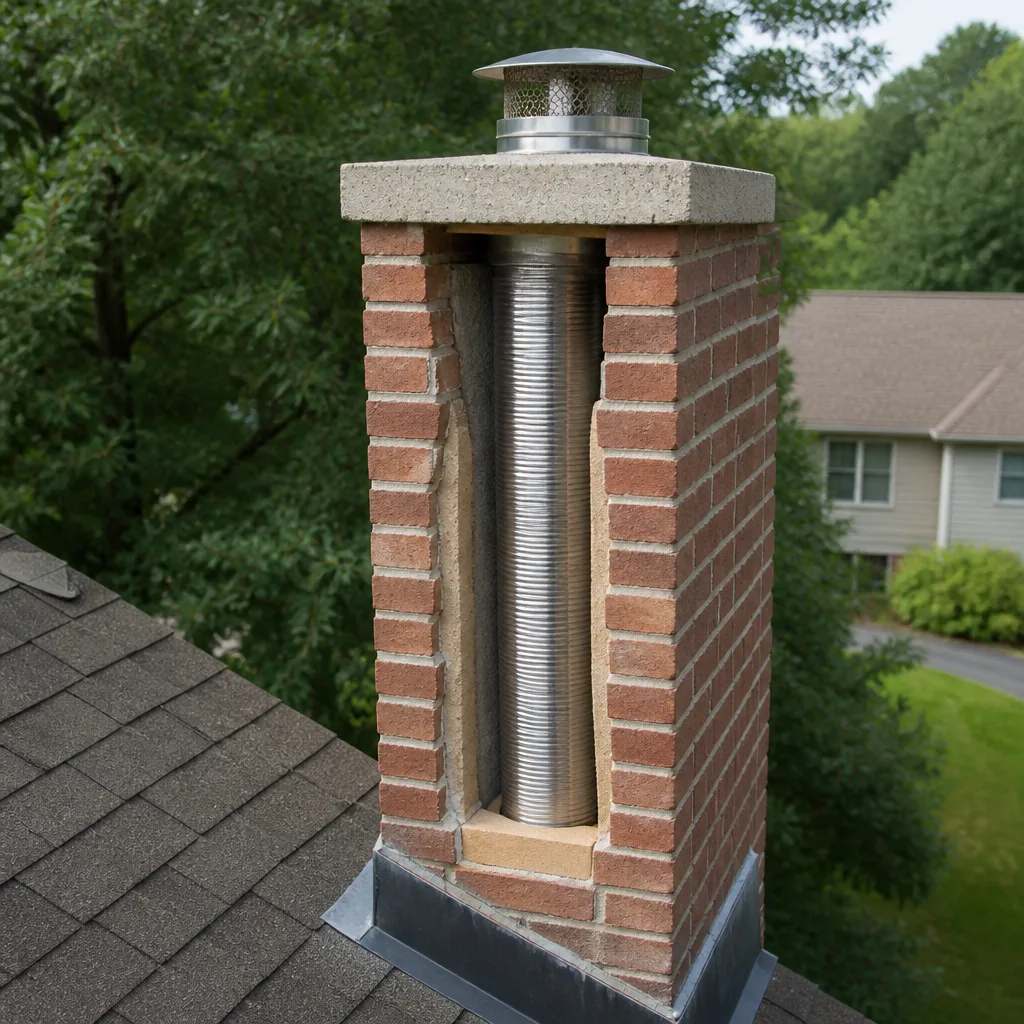 Flue relining
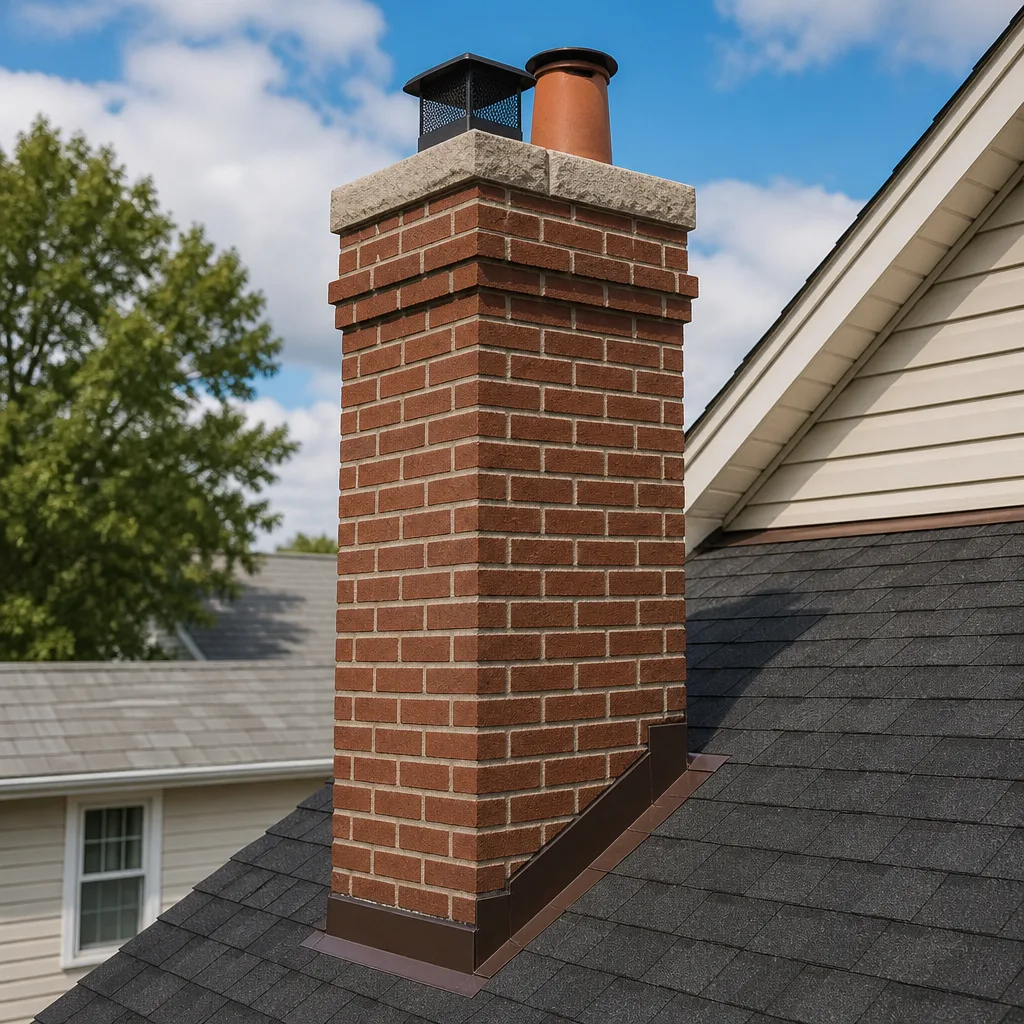 Masonry repair
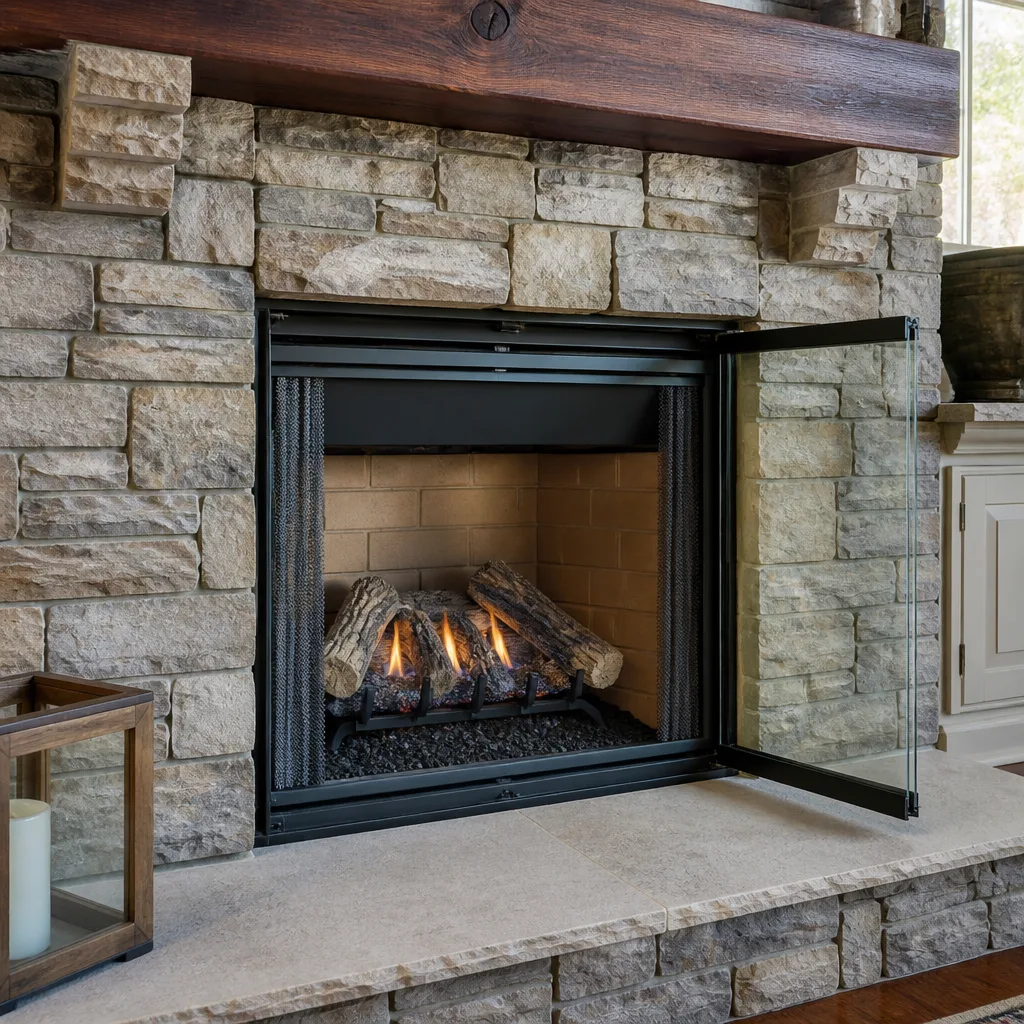 Gas fireplace service
Level 1 sweep and inspection to the NFPA 211 annual standard - flue, crown, cap, and flashing checked and photographed
Chimney sweep logs do not sweep chimneys. They loosen some creosote - which then falls where a brush and vacuum still have to collect it.
Fast, Reliable Chimney Sweep Across Campbell
A chimney sweep in Campbell typically runs $180 to $340 for a standard open masonry fireplace, and most homes here fit a predictable pattern we’ve come to know well: downtown bungalows with 1930s brick flues, hillside ranches with prefab metal boxes, and light but consistent burning from November through February. Our team handles both ends of that spectrum, and we dispatch into Campbell Sunday through Friday, 7am to 7pm. Call (833) 593-7116. We answer 24/7. Fast dispatch from 7am to 7pm, Sunday through Friday.
This is not a generic sweep. Campbell’s fireplace stock splits sharply by geography, and we read the ZIP and the roofline before we even quote the job. That’s the difference between a cleaning that actually clears the flue and one that just knocks loose what a brush can reach. We’re Chimney Sweep specialists who work from the firebox to the cap, and we’ve spent years learning what downtown Campbell flues do differently than the ones up toward Saratoga.
Why Campbell Homeowners Call Chimney Cleaning Sunnyvale for Chimney Sweep
Campbell homeowners reach us because the houses here don’t all behave the same way, and a sweep who treats every fireplace like a cookie-cutter masonry flue is going to miss things. The 95008 bungalow belt around downtown is full of original 1930s brick fireplaces with undersized 8×8 flues. Many of them now sit behind gas log sets that owners never pull out, which means the firebox and smoke shelf keep collecting soot nobody sees. That shallow firebox traps creosote in a way that a standard rotary brush simply smears around.
Up the hill toward Saratoga and Los Gatos, the housing stock changes. Those 1970s and 1980s ranch and Eichler-influenced homes have factory-built metal fireboxes and chase enclosures. They need a gentler, manufacturer-spec protocol, not the aggressive wheel-cleaning you’d use on masonry. Our crew knows both protocols and applies the right one based on what’s actually built into your roofline. We inspect, explain, then sweep. No pressure, no mystery, and nothing recommended without camera evidence you can see for yourself.
We also carry the right materials for Campbell’s housing mix. That means when a sweep turns up a cracked flue tile or a liner that’s beyond cleaning, we don’t hand you off to a mason. Repair work stays in-house, from crown and cap fixes to full liner work. One call covers your chimney and your dryer vent, which matters in Campbell because many of these older homes have gas dryers venting through walls that haven’t been cleaned in years.
Styles & brands we work with
- Sweep & inspection
- Caps & crowns
- Flue relining
- Masonry repair
- Gas fireplace service
Chimney Sweep Services in Campbell
Chimney Sweep Services in Campbell mean something specific here. A standard open masonry fireplace in the downtown bungalow belt typically costs $180 to $260 to sweep, and the job includes laying drop cloths, running a HEPA-filtered vacuum, removing the creosote and soot from the firebox, smoke shelf, and flue, and doing a basic visual check of the firebox and damper. Prefab metal fireboxes in the hillside homes run the same range, but the tools and approach change: softer brushes, lower torque, and careful attention to the manufacturer’s clearances.
Creosote Removal
Creosote is the residue wood smoke leaves behind, and Campbell’s dry summers let it harden into a glaze that a basic brush pass can’t remove. When we find first-degree creosote that’s glazed onto masonry flue walls, we use scraping tools and chemical treatments to break it down before the brush goes through. The goal isn’t just to knock the loose stuff down; it’s to get the flue surface back to a condition where buildup can’t accelerate.
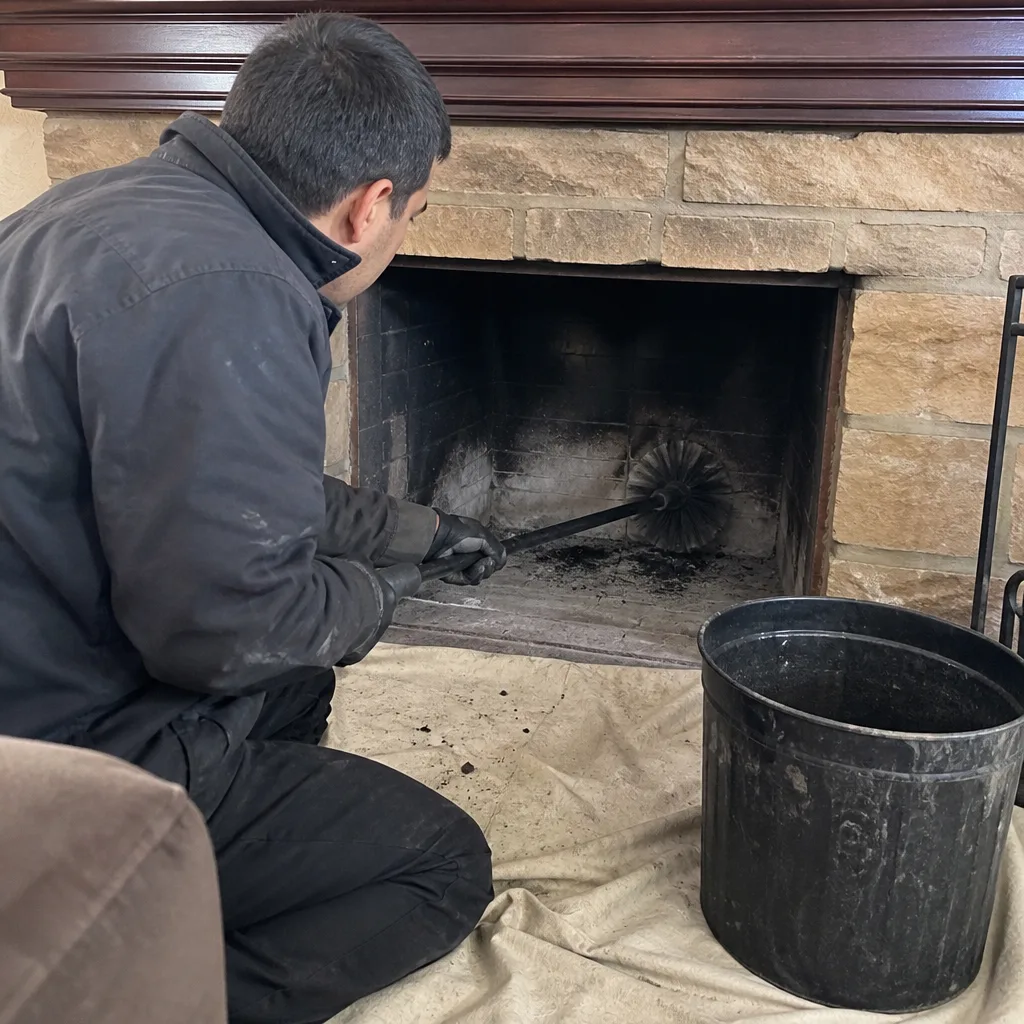
Level 1 and Level 2 Inspections
A Level 1 inspection is the standard check that accompanies every sweep: firebox, damper, smoke chamber, flue, cap, and hearth, all looked at with a flashlight and a trained eye. A Level 2 inspection goes further, usually with a camera that feeds live video back to a screen you can watch. We recommend a Level 2 when a home has changed hands, when the fireplace hasn’t been used in years, or when a hillside prefab firebox shows signs of rust or warping.
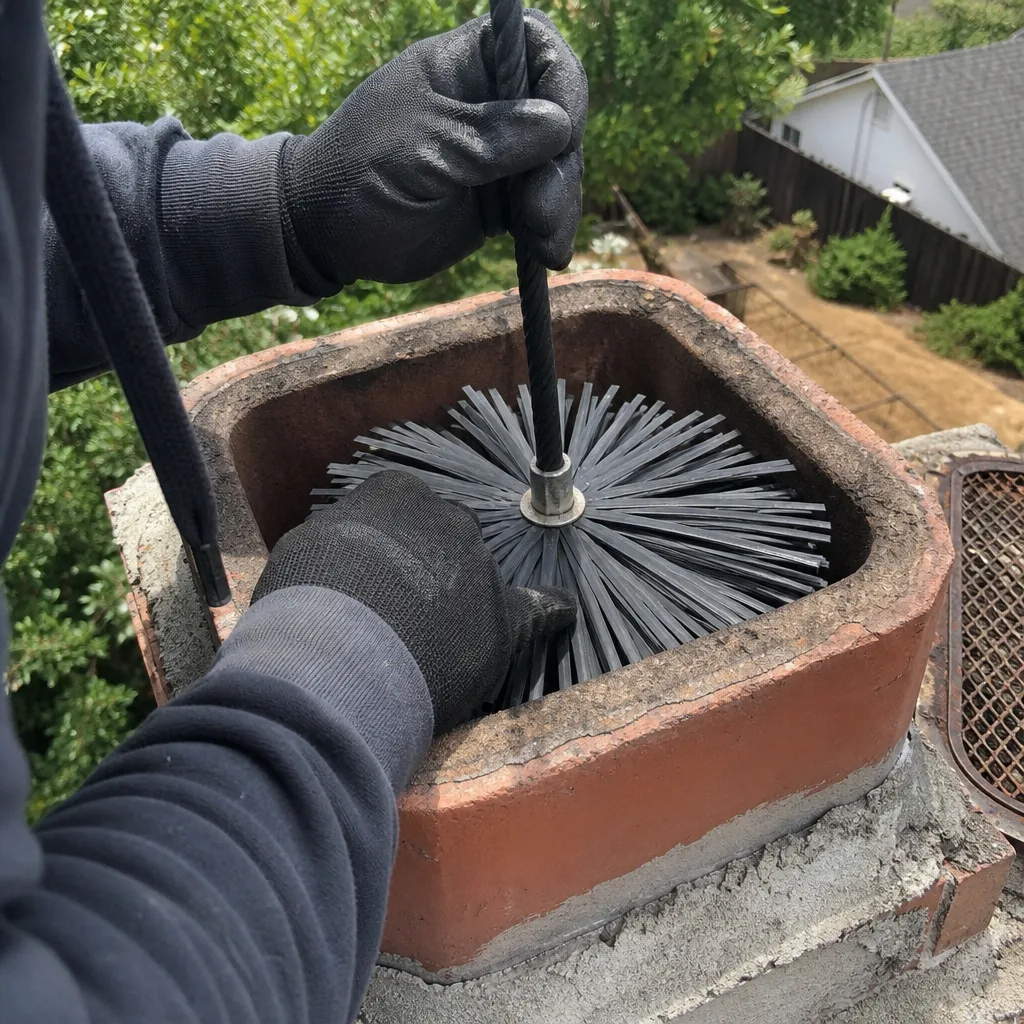
Chimney Cleaning in Campbell
Chimney Cleaning in Campbell follows the burning season. Most of the city’s fireplaces see light but real use from November through February, which means the single best window for a sweep is late spring or early summer, after the last fire but before the creosote has a full dry season to glaze. For downtown bungalow owners who mix wood and gas, we often recommend a shorter interval than the generic annual sweep. Six to eight months is not unreasonable when a gas log set is hiding soot behind it.
Annual Sweep
An annual sweep in Campbell is the baseline, not the exception. Even a fireplace used once a week through the winter produces enough residue to matter. The National Fire Protection Association recommends sweeping when creosote reaches 1/8 inch, and in Campbell’s shallow 8×8 flues, that threshold arrives faster than in a properly sized modern flue. We schedule sweeps without drama and confirm the exact scope before any work starts.
Fireplace Cleaning
Fireplace cleaning is the visible part of the job, but it’s also a diagnostic step. Soot patterns on the smoke shelf tell us how the draft is behaving. A heavy black band near the damper often points to a flue that’s undersized for the firebox, which is common in downtown Campbell’s 1930s brickwork. We clean the firebox, the andirons or grate, the glass doors if present, and the ash dump. Everything gets bagged and hauled off, not left in a pile on the hearth.
Trusted Brands We Service in Campbell
We work with professional-grade chimney and venting components from Olympia Chimney, Famco, and Copperfield, plus DuraFlex flexible liner systems when a chimney’s geometry calls for an adaptable liner rather than a rigid section. These are the same materials specified by certified chimney professionals, not anonymous off-brand substitutes from a hardware aisle. For Campbell homeowners, that matters most when a sweep turns up a liner problem: the repair spec we write uses components that actually fit the flue and hold up under Santa Clara Valley conditions. HeatShield restoration is another option we offer, and it means damaged flue tiles can sometimes be resurfaced in place rather than fully relined. That’s a structurally sound, cost-conscious alternative many Campbell homeowners are glad to have.
See the difference
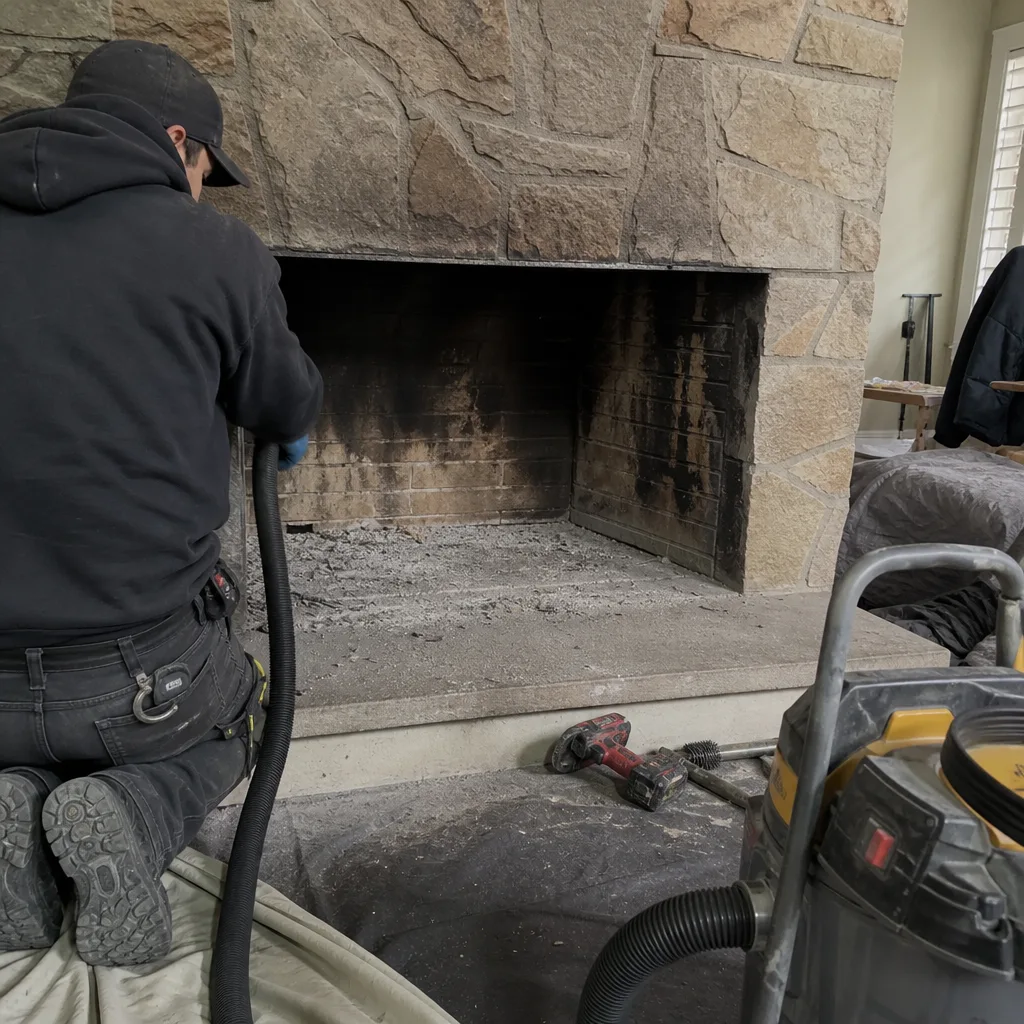 Before
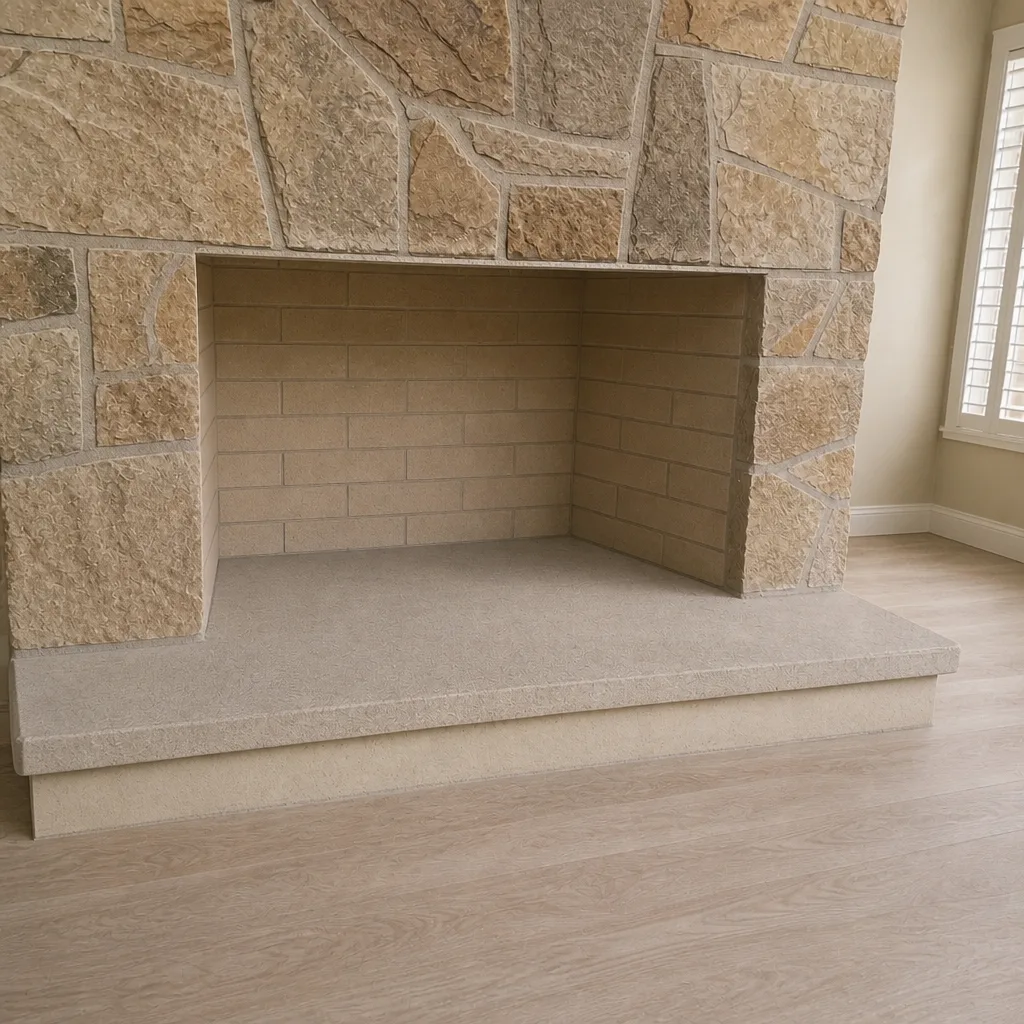 After
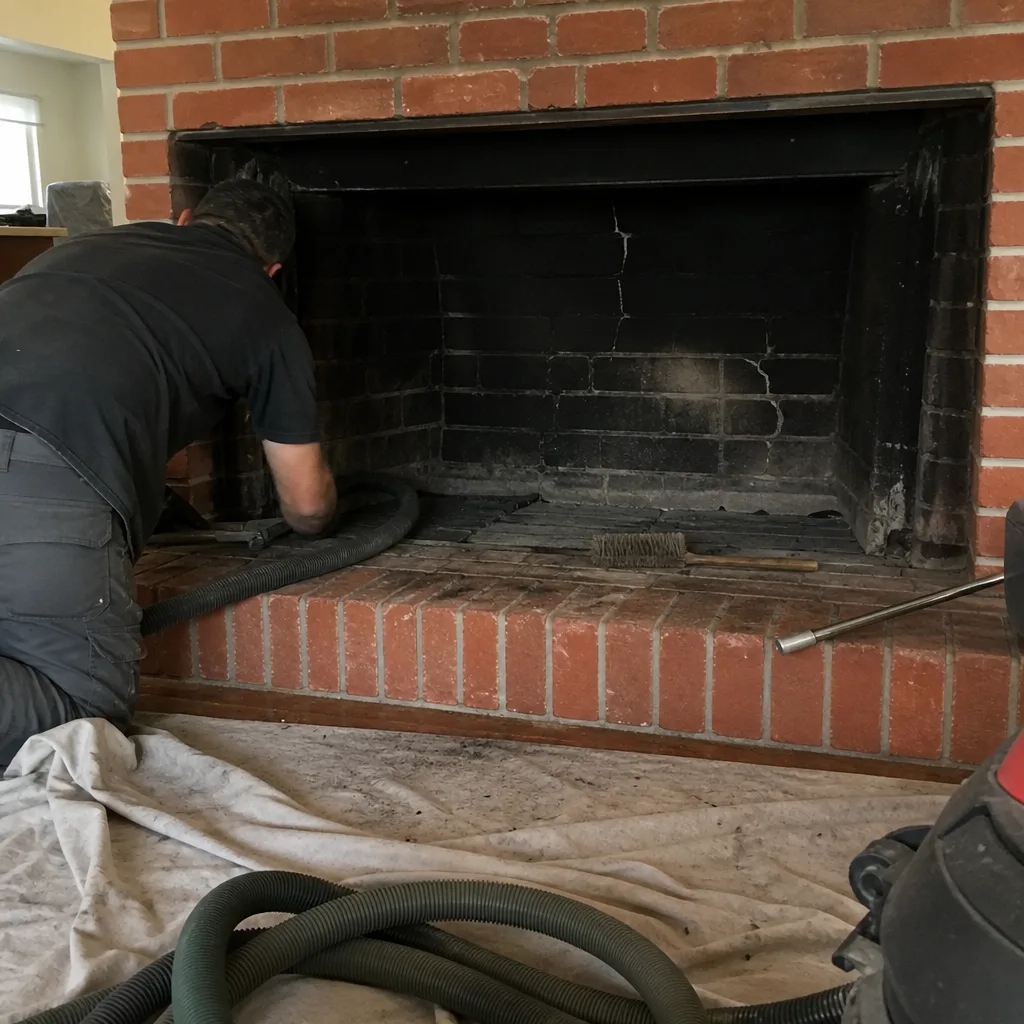 Before
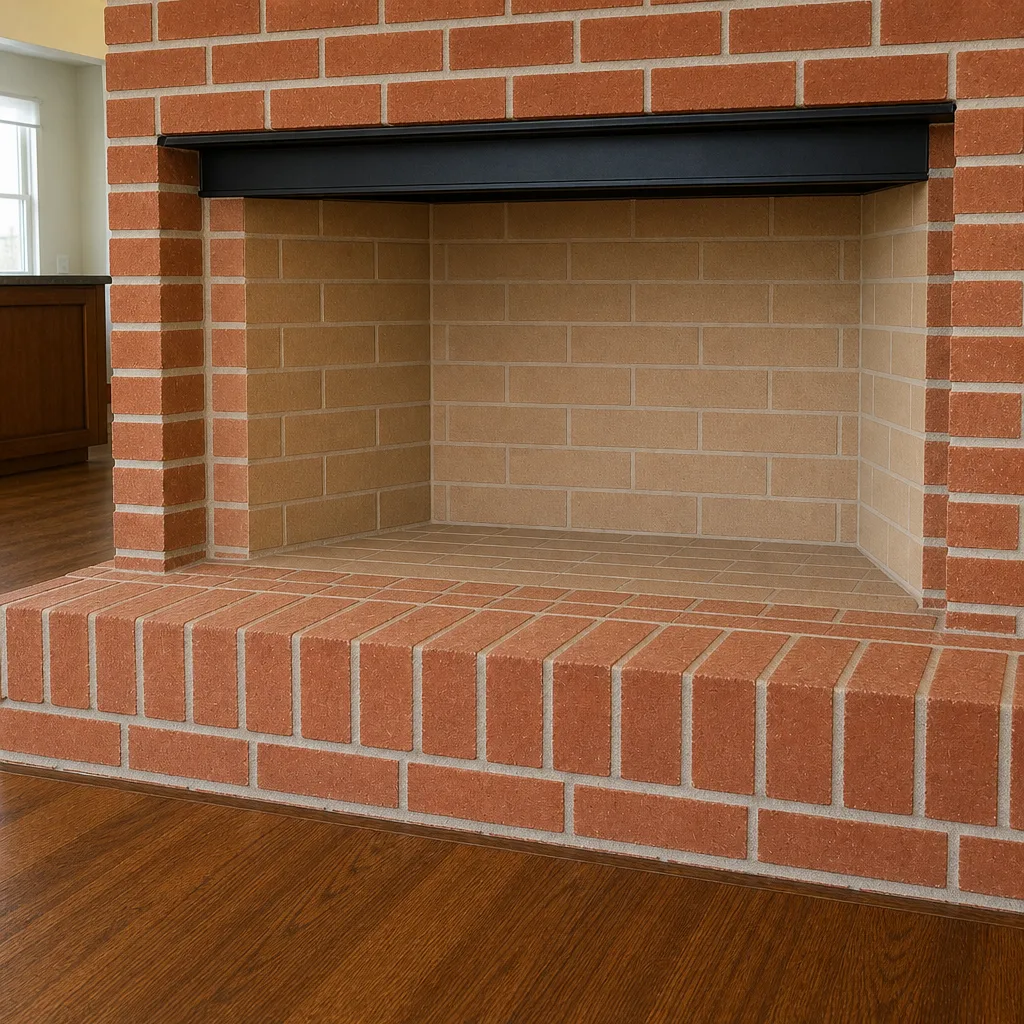 After
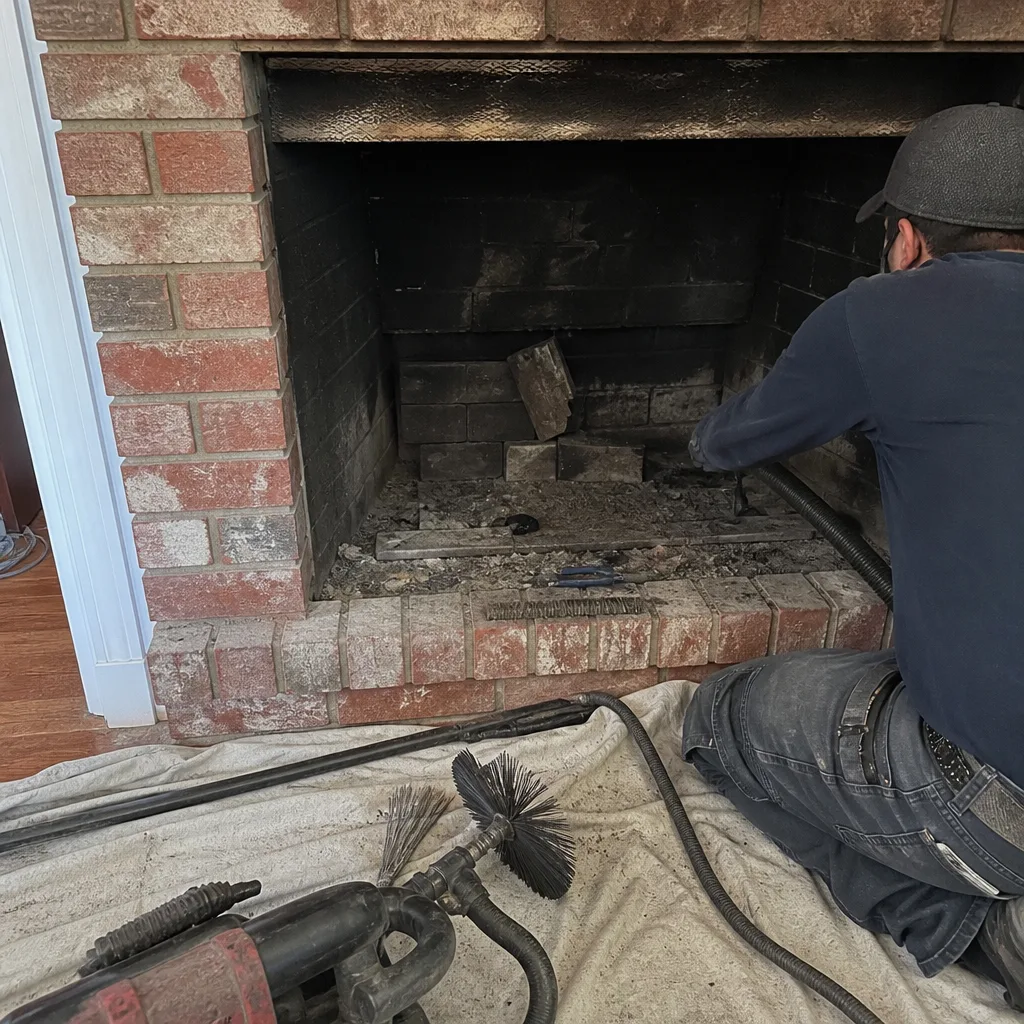 Before
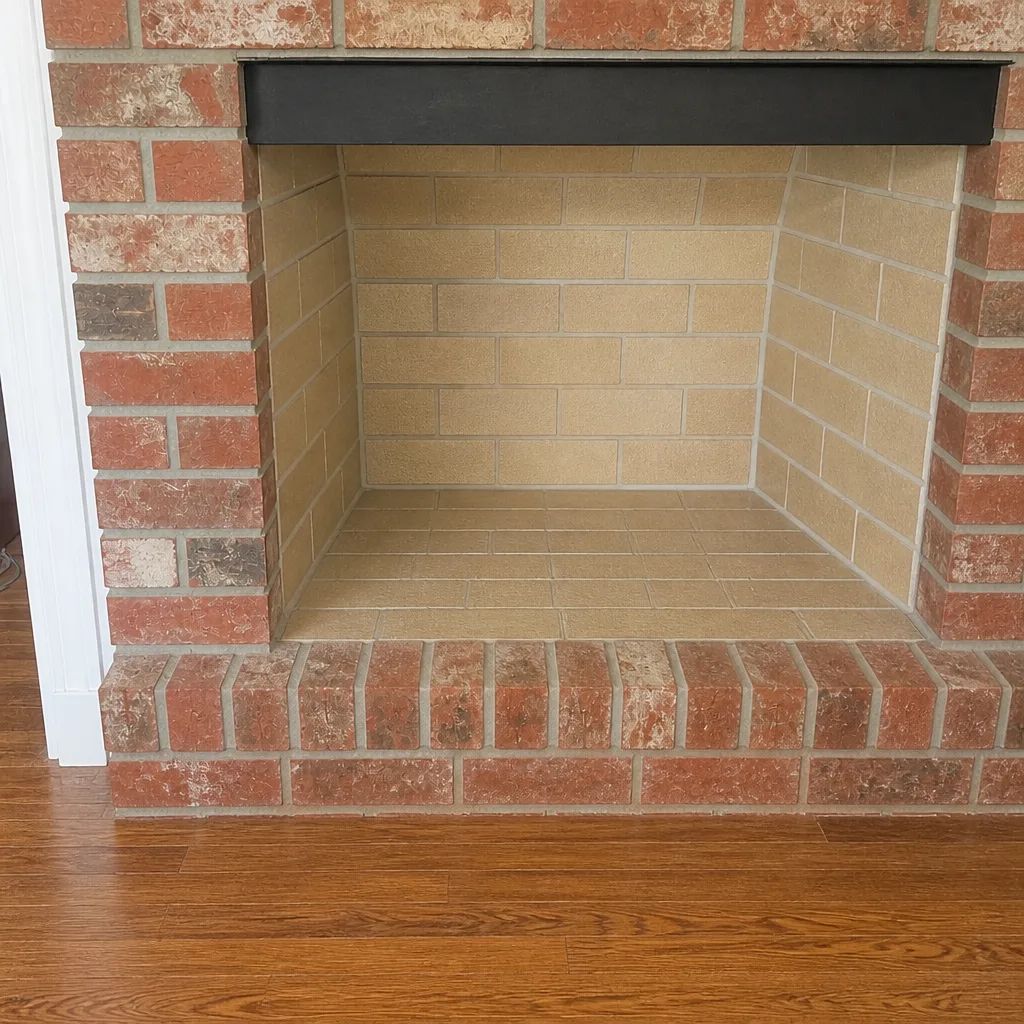 After
Common Chimney Sweep Problems We See in Campbell Homes
- Gas log sets hiding soot in downtown 95008 bungalows. The log set stays put for years, the owners see a clean-looking fireplace, and meanwhile the shallow firebox and smoke shelf pack in creosote and soot from years of mixed wood and gas burning. The first sign is usually a lazy draft or a smell of old smoke on damp mornings.
- First-degree creosote glazing hard in masonry flues over Campbell’s dry summer. Light seasonal burning leaves a thin creosote layer, then the flue sits unused from March to October in hot, dry air. That layer hardens into a tar-like glaze that a rotary brush alone won’t remove.
- Prefab metal fireboxes in hillside ranch homes getting masonry-style aggressive cleaning. A metal firebox has a thinner wall and specific clearances. Running the same brush and pressure you’d use on brick can scratch the metal or separate seams. These boxes need a gentler, manufacturer-spec sweep.
- Smoke shelves in 1930s brick fireplaces trapping decades of mixed fuel soot. The smoke shelf is the ledge that sits behind the damper, and in Campbell’s original brick fireplaces, it’s often deep and angled in a way that catches soot like a shelf catches dust. We pull the damper plate or work through the firebox opening to clean it properly, because a brush through the flue never touches it.
Pricing for Chimney Sweep in Campbell, CA
A standard chimney sweep in Campbell runs $180 to $260 for an open masonry fireplace, and $220 to $340 when the job includes a gas log set removal, smoke shelf cleaning, and a more involved firebox detail. Prefab metal fireboxes in the hillside homes fall in the same $180 to $300 range, depending on the flue height and how much creosote has accumulated. What moves the price is access: a steep roof pitch toward the Saratoga side, a chase enclosure that needs a taller ladder, or a flue that hasn’t been cleaned in years and needs two passes plus chemical treatment. The written estimate sets the final price, and estimates are free. Call (833) 593-7116 for an exact quote on your Campbell home. We answer 24/7.
We Also Serve Cities Near Campbell
Our route out of Sunnyvale takes us into Santa Clara, Cupertino, and North San Jose, and we make the drive to Campbell without the inflated travel fees some companies tack on. If you’re on the border of Campbell and one of these neighbors, call and we’ll confirm the address and the best time for a sweep. Fast dispatch from 7am to 7pm, Sunday through Friday.
Serving Campbell, CA – Our Local Coverage Area
We serve Campbell and nearby communities. Use the map below to see the area we cover. If you’re nearby, we can almost certainly help.
FAQs About Chimney Sweep in Campbell
The 1930s bungalows in Campbell’s 95008 belt have original brick fireplaces with shallow fireboxes, deep smoke shelves, and undersized 8×8 flues. Those flues collect creosote faster than a properly sized modern flue, and the smoke shelf traps soot a brush through the flue never reaches. Ranch homes toward Saratoga typically have factory-built metal fireboxes with different clearances and a more uniform flue run. They need a gentler brush and a manufacturer-spec approach. Call (833) 593-7116 and we’ll scope your roofline before quoting.
No, and the reason is Campbell’s dry summer. Light burning still deposits creosote, and when that creosote sits in an unused flue through six months of warm, dry weather, it hardens into a glaze that’s more difficult and more expensive to remove. A shorter interval, often six to eight months for wood burners in 95008, keeps the buildup in the soft, brushable stage. Call (833) 593-7116 for a written estimate.
First-degree creosote is flaky and brushable. Second-degree is granular and harder, like coffee grounds baked onto the flue wall. Third-degree is a hard tar glaze that requires chemical treatment and scraping before a brush can do anything, and in Campbell’s dry summers, first-degree advances toward third-degree faster than in wetter climates. Third-degree creosote is also the most combustible form, which is why the sweep interval matters so much here. Call (833) 593-7116 if you haven’t swept in two years or more.
Yes. We pull the gas log set, disconnect it properly, and clean the firebox, smoke shelf, and flue behind it. A lot of Campbell bungalows have gas log sets that haven’t been moved in years, and the soot and creosote behind them is what causes draft problems and that stale-smoke smell. We set the logs back and test the burner before we leave. Call (833) 593-7116 for a sweep that includes gas log set removal and cleaning.
We use softer brushes, lower torque, and the manufacturer’s specified clearances and cleaning protocol for every factory-built firebox. A prefab metal firebox cannot take the same aggressive wheel-cleaning as a masonry flue, and we check the chase enclosure, the cap, and the firebox seams for rust or separation as part of the sweep. The written estimate sets the final price, and we can talk through what we found with the camera before any repair is recommended. Call (833) 593-7116.
Written by Kurt Jessup, Owner at Chimney Cleaning Sunnyvale, serving Campbell since 2014.