
Last updated November 4, 2026
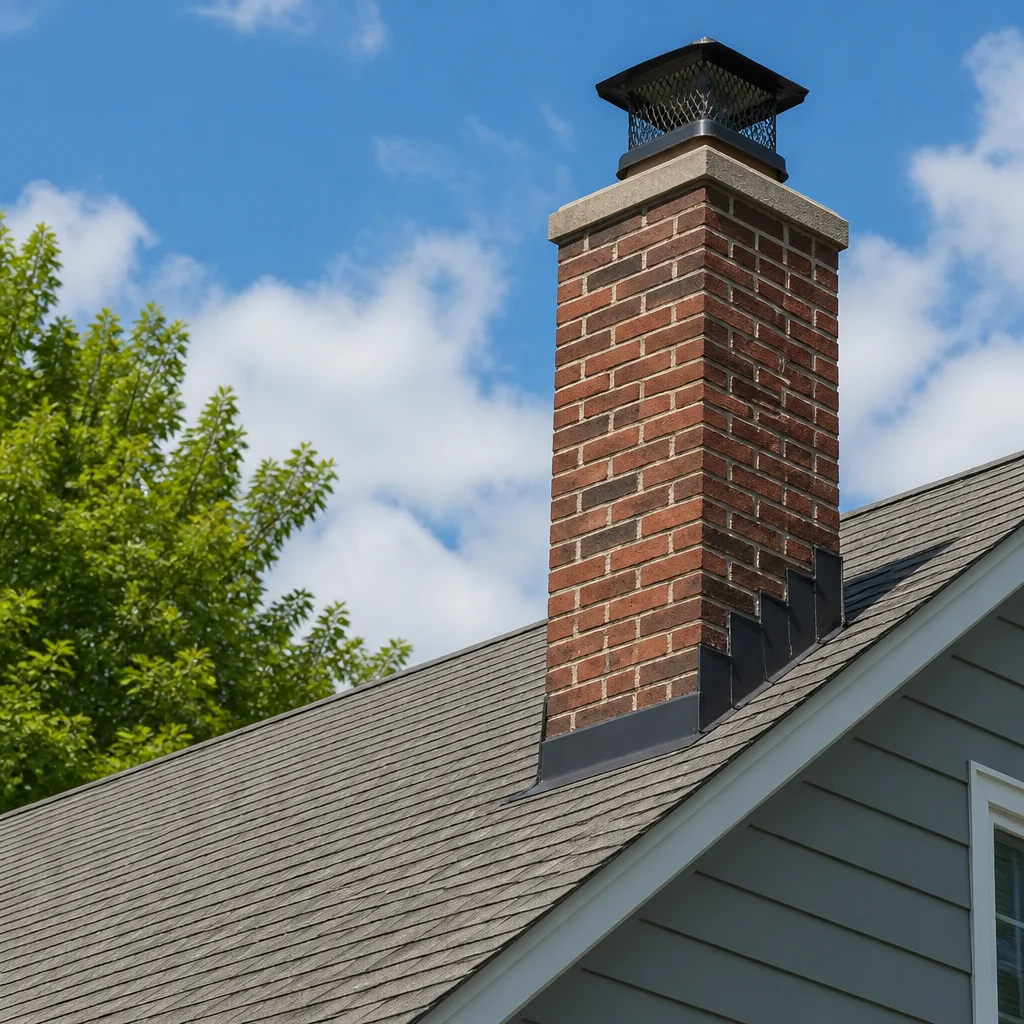 Sweep & inspection
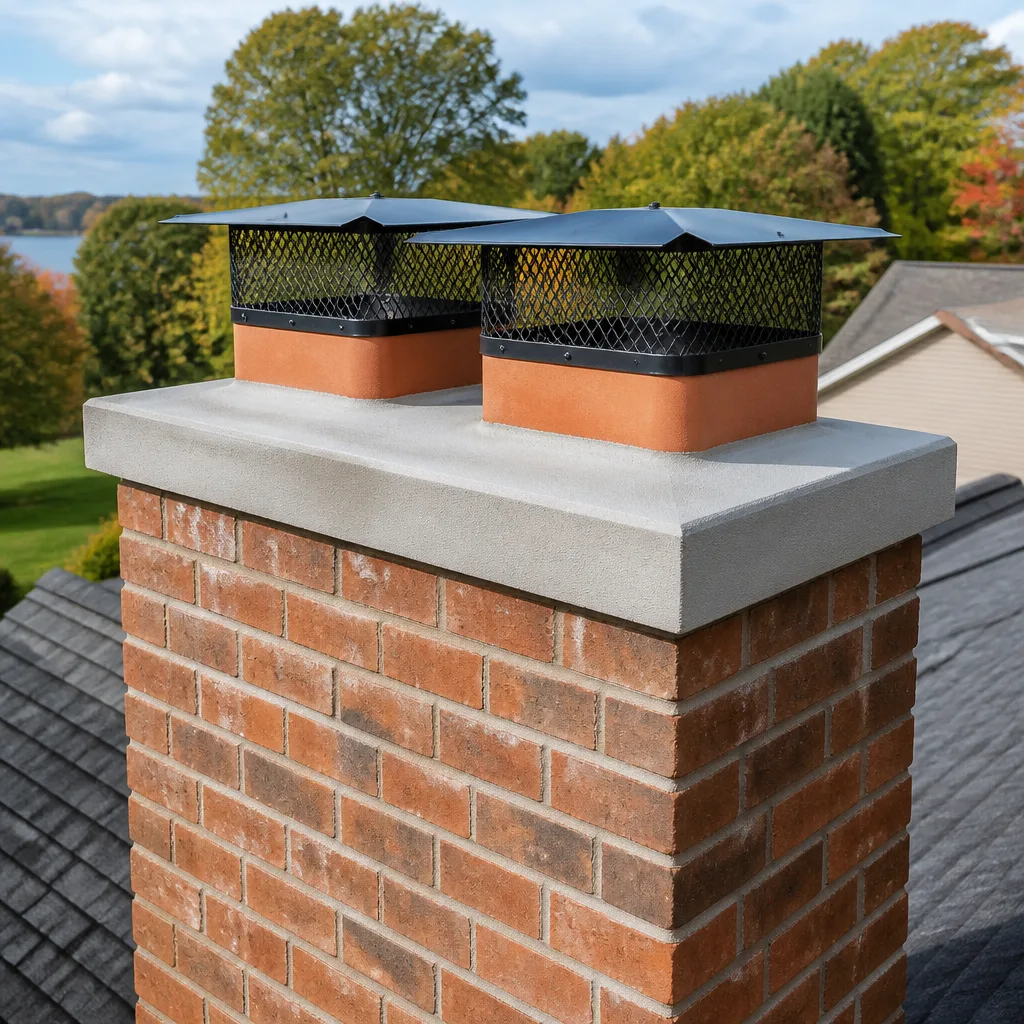 Caps & crowns
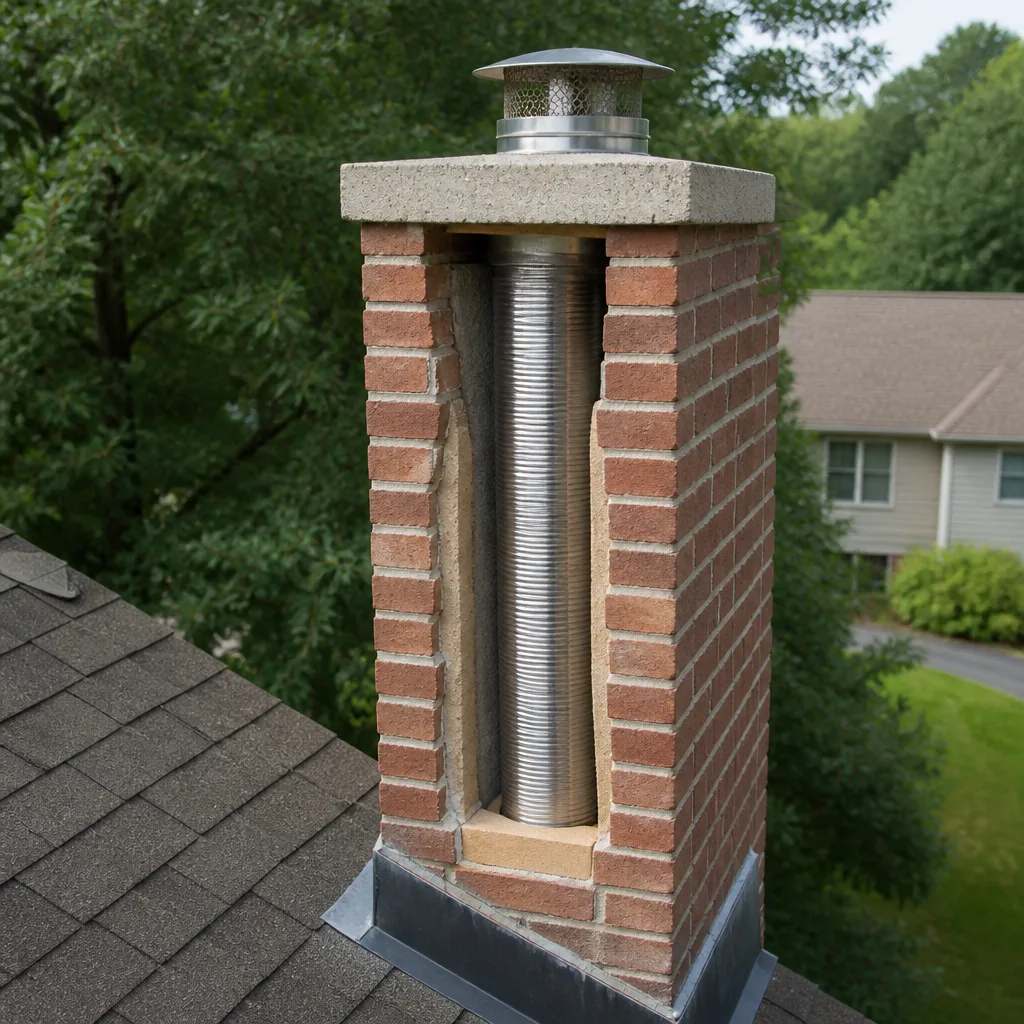 Flue relining
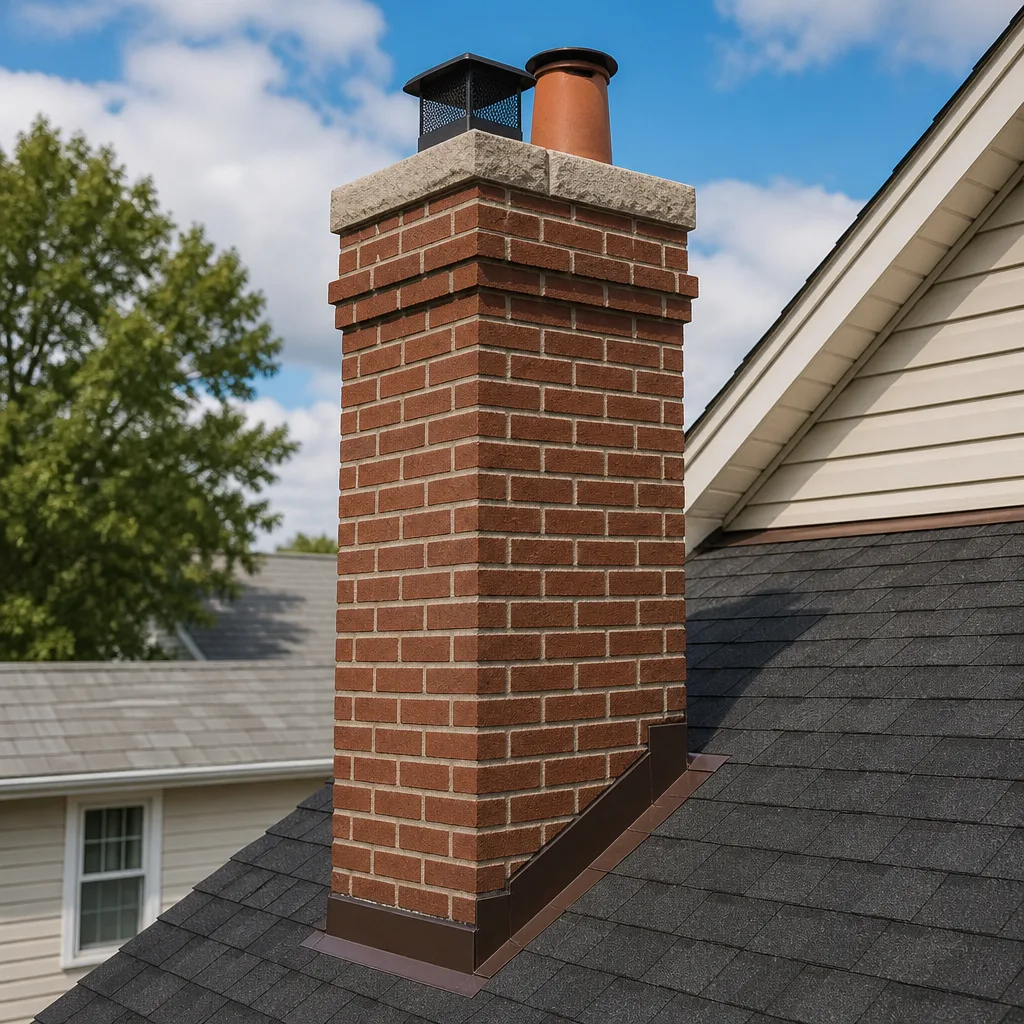 Masonry repair
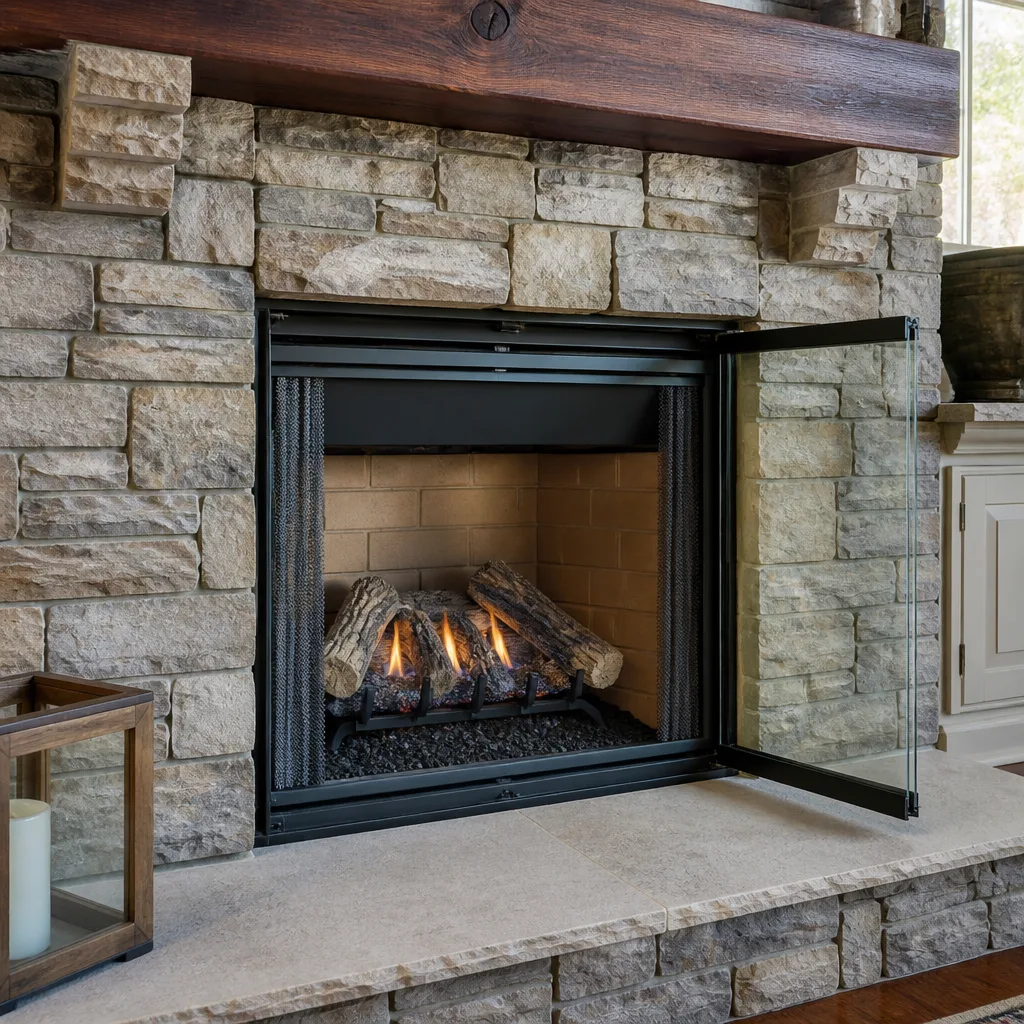 Gas fireplace service
Level 1 sweep and inspection to the NFPA 211 annual standard - flue, crown, cap, and flashing checked and photographed
Chimney sweep logs do not sweep chimneys. They loosen some creosote - which then falls where a brush and vacuum still have to collect it.
Chimney Cleaning Warning Signs: A Sunnyvale Homeowner’s Reference Guide
Here’s the thing most Sunnyvale homeowners get wrong about chimney warning signs: they treat every symptom like a cleaning problem. That smoky odor drifting into the living room on a foggy morning? It might have nothing to do with soot buildup. Many so-called chimney problems are actually mechanical failures, draft reversals, or structural water intrusion wearing a convincing disguise. This guide maps specific warning signs to their actual causes, so you can describe what you’re seeing with enough precision to get an honest answer about what needs to happen next, whether that’s a chimney sweep, a repair, or simply closing a damper you didn’t realize was open.
Quick Answer
The most common chimney warning signs in Sunnyvale fall into four categories: odor issues (creosote, animal, or mold), visible exterior damage (efflorescence, spalling brick, or crown cracks), interior performance problems (smoke rollout or damper resistance), and gas appliance symptoms (soot at the draft hood, yellow pilot flame, or unusual CO detector activity). Each symptom points to a specific mechanical or structural cause, and treating them all as cleaning issues often wastes money. If you notice any of these signs, have a professional inspect the chimney. Chimney Cleaning Sunnyvale provides free estimates throughout Sunnyvale.
Styles & brands we work with
- Sweep & inspection
- Caps & crowns
- Flue relining
- Masonry repair
- Gas fireplace service
Table of Contents
- How to Read Chimney Odors: What Each Smell Actually Means
- Smoke Rollout and Draft Reversal: Two Different Problems
- Exterior Warning Signs: Efflorescence, Spalling, and Crown Cracks
- Interior Warning Signs: Damper Resistance, Firebox Staining, and More
- Gas Appliance Venting: The Warning Signs Most People Miss
- Cleaning Issue or Structural Repair? How to Tell the Difference
- What Sunnyvale’s Climate Does to Chimneys
- Common Mistakes to Avoid
- When to Call a Professional
- Frequently Asked Questions
How to Read Chimney Odors: What Each Smell Actually Means
Odors are the most frequently reported chimney warning sign, and they’re also the most misdiagnosed. A musty smell often gets blamed on creosote when it’s actually mold. A sharp, acrid smell gets described as “smoke” when it’s animal waste. Understanding what your nose is telling you is the fastest way to communicate accurately with a contractor and avoid paying for a cleaning that won’t solve the underlying problem. In our experience working on chimneys across Sunnyvale, odor complaints typically break down into three distinct categories.
Creosote odor is the one most people expect. It’s strongest after rain or high humidity, when moisture activates the creosote deposits lining the flue. The smell is sharp, tarry, and slightly sweet, like burnt wood mixed with asphalt. You’ll notice it most on warm days following a fire, or when the house is closed up. This usually does indicate that cleaning is needed, particularly in fireplaces that see regular use during the cooler months. In Sunnyvale’s mild climate, many homeowners burn occasionally rather than daily, which can actually create a different problem: cold fires produce more creosote because the flue never gets hot enough to burn off the byproducts. The result is a dense, sticky coating that smells even when the fireplace sits idle for weeks.
Animal odor is distinctly different. It’s sharp, ammonia-heavy, and often localized to one spot in the room rather than drifting through the house. Birds, squirrels, and even raccoons nest in chimneys, and their droppings and nesting material create a smell that no amount of sweeping alone will eliminate. The nest has to be removed, the flue has to be cleaned, and a proper cap needs to be installed to prevent reentry. If the odor intensifies when you open the damper, that’s a strong signal there’s biological material sitting above it. This is a case where a chimney sweep identifies what’s up there before any cleaning begins, because the approach differs depending on whether you’re dealing with a nest, a carcass, or years of accumulation.
Mold or mildew odor is the third category, and it’s the one that most clearly signals water intrusion rather than a cleaning need. Mold smells earthy, damp, and persistent. It doesn’t fade after the fire dies down. In Sunnyvale, where winter rain is the primary moisture source rather than snow or ice, mold odors typically trace to a cracked crown, damaged flashing, or porous brick that’s been absorbing water for years. The chimney itself may look clean, but the inner masonry is damp. This is a structural issue requiring repair, not a sweep. If you smell mold near your fireplace, pay attention to whether it worsens after rain. That timing is the single most useful clue you can give a technician.
Smoke Rollout and Draft Reversal: Two Different Problems
When smoke enters the room instead of going up the chimney, homeowners almost always assume the flue is blocked. Sometimes that’s true. But often, especially in modern Sunnyvale homes with tight construction, the problem is depressurization. Here’s how to tell the difference, because the fix for one is very different from the fix for the other.
Smoke rollout happens when the flue is actually obstructed or too cold to establish a draft. You’ll notice it most when lighting a fire: smoke puffs out into the room, then gradually starts drawing upward as the flue warms. If the chimney is blocked by creosote, a nest, or debris, the rollout continues or worsens. This typically calls for cleaning or obstruction removal. The firebox may also show dark staining concentrated around the opening, a sign that smoke has been escaping repeatedly.
Draft reversal is different. The fire burns fine most of the time, but on certain mornings or certain weather conditions, smoke persistently pushes into the room no matter what you do. In a Sunnyvale home, this often shows up on cool, foggy mornings when the air outside is denser than the air inside the chimney. If you’ve got a bathroom fan running, a range hood on, or a clothes dryer operating, those appliances exhaust air from the house, creating negative pressure. The chimney becomes the easiest route for outside air to enter. Cold air sinks down the flue, carrying last night’s smoke odor with it. No amount of chimney sweep work fixes a depressurization problem.
The distinction matters because it determines where the money goes. A blocked flue needs cleaning. A depressurization draft reversal needs a different conversation: about make-up air, damper condition, or sometimes a top-sealing damper that prevents cold air from dropping down the flue in the first place. We’ve been asked to clean chimneys in Sunnyvale that were already clean, and the actual issue was a bathroom exhaust fan cycling on at the wrong time. That’s not a cleaning problem, and we’d rather tell you that honestly than take your money for work that won’t change anything. A professional inspection should identify which scenario you’re dealing with before any work is quoted.
Exterior Warning Signs: Efflorescence, Spalling, and Crown Cracks
Most chimney deterioration is visible from outside, but only if you know what to look for. These three exterior warning signs, each one representing a different stage of water intrusion, are the ones we see most often on homes throughout Sunnyvale. Identifying them early can mean the difference between a modest repair and a full rebuild.
Efflorescence appears as a white, chalky residue on the brick or stone surface. It’s caused by water moving through the masonry, dissolving salts inside the brick, and depositing them on the surface as the water evaporates. Efflorescence by itself isn’t structural damage, but it’s the earliest visible sign that water is entering the chimney. In our climate, where rain falls in concentrated bursts between long dry spells, efflorescence often appears and disappears with the seasons. Homeowners sometimes scrub it off and forget about it. The better response is to ask why water is moving through the brick at all. Porous brick, a deteriorated mortar joint, or a failed crown are the usual answers.
Spalling is the next stage. When brick absorbs water over time, the surface layer begins to flake, crack, or pop off entirely. Spalling looks like chipped or missing brick faces, often with visible fragments on the roof or ground below. This is structural damage that won’t heal itself. The brick has been compromised by repeated wet-dry cycles, and the problem compounds quickly once the outer face is gone. In Sunnyvale’s dry summers, spalled brick can look stable for months, but the next winter’s rain will find its way deeper into the chimney. Spalling typically requires brick replacement or selective rebuilding, and the earlier it’s caught, the fewer bricks are involved.
Crown cracks deserve attention of their own. The crown is the concrete cap at the top of the chimney that sheds water away from the flue and the brick below. When it cracks, water drains directly into the chimney’s core rather than off the sides. Crown cracks often start small, hairline fractures that go unnoticed for years. The damage they cause accelerates: water enters the flue, saturates the brick from the inside, corrodes any metal flashing, and eventually reaches the firebox or the ceiling below. Given our winter rain pattern in Sunnyvale, even small crown cracks can deliver enough water during a few heavy storms to cause visible interior staining. Re-sealing a crown is one of the most cost-effective chimney repairs available, which is exactly why it pays to inspect the crown regularly.
Interior Warning Signs: Damper Resistance, Firebox Staining, and More
Inside the house, the warning signs are quieter. They don’t announce themselves like smoke in the living room. But a careful homeowner can read a surprising amount from the condition of the firebox, damper, and the masonry around the fireplace opening. Here are the interior indicators we check first when evaluating a chimney in Sunnyvale.
Damper resistance is more informative than most people realize. A damper that’s hard to open or close, or one that won’t stay in position, can indicate several things: rust from repeated water intrusion, creosote buildup on the damper plate, or warping from heat. A sticky damper is often the first physical confirmation that moisture has been getting into the flue. If you find yourself wrestling with the damper lever or noticing that it creaks and catches, that’s the chimney telling you something has changed. In some cases, a frozen damper means it’s been left partially open for years, which also explains any unusual drafts or odors.
Firebox staining at specific locations tells a story. Dark staining concentrated around the upper edges of the opening often indicates intermittent smoke rollout. Staining on the back wall near the throat suggests a draft problem rather than a cleanliness problem. White staining or mineral deposits inside the firebox, often below the damper, point to water running down the flue. In Sunnyvale homes where water intrusion has gone unaddressed, we sometimes see rust-colored stains at the firebox floor, which indicates the metal damper assembly above has been rusting and dripping. None of these stains are purely cosmetic. Each one marks a pattern of behavior that can be traced to a cause.
Crumbling mortar joints inside the firebox or visible sections of the flue represent the end stage of a slow process. If you can see gaps between firebricks, loose mortar dust on the hearth, or brick fragments inside the firebox, the masonry has been failing for a while. This isn’t a cleaning problem anymore. It’s a repair situation. Firebox mortar is a different material than the mortar used on exterior brick, and it’s designed to handle direct flame exposure. Once it starts degrading, the firebox loses its ability to contain heat safely, and hot gases can reach combustible framing materials. The fix is repointing or, in more advanced cases, partial reconstruction.
Debris accumulation in the firebox between uses is another sign to note. If you’re regularly finding small pieces of brick, tile, or mortar on the hearth before you’ve built a fire, something is deteriorating above. It could be spalled brick from the smoke chamber, fractured flue tiles, or a degrading crown. This is a case where the debris itself tells you the chimney needs more than a sweep. In our experience, many of these issues are caught during a routine chimney sweep, which is one reason an annual cleaning includes a visual inspection of accessible components, not just brush work.
Gas Appliance Venting: The Warning Signs Most People Miss
Gas fireplaces, inserts, and gas water heaters don’t produce creosote, so homeowners sometimes assume they don’t need chimney attention. That assumption is dangerous. Gas appliances produce carbon monoxide and water vapor, and a venting problem with a gas appliance is a code compliance issue with direct health implications. In Sunnyvale, where many homes have converted from wood-burning fireplaces to gas inserts, these warning signs deserve more attention than they typically receive.
Soot at the draft hood is the most obvious gas-venting warning sign. The draft hood is the metal connector where the appliance meets the vent pipe. If you see black soot accumulating there, or on the walls near the vent, combustion is incomplete and the flue isn’t carrying away byproducts efficiently. This can indicate a blocked flue, an improperly sized liner, or insufficient draft. A properly functioning gas vent should produce no visible soot. Any soot at all warrants a professional inspection and probably a cleaning or repair.
A yellow pilot flame is another tell. Natural gas burns blue when the air-to-fuel ratio is correct. A yellow or flickering orange flame means incomplete combustion, which produces carbon monoxide. Some decorative gas log sets intentionally produce a yellow flame for aesthetic purposes, but a yellow pilot flame or yellow burner flame is different. It indicates the appliance isn’t getting enough combustion air, and the flue gases it’s producing are more dangerous. This is a sign to stop using the appliance and have it inspected.
Unusual CO detector behavior near the fireplace or anywhere in the house should never be ignored. If your carbon monoxide detector triggers, even briefly, you should ventilate the home and contact a professional who can investigate the venting system rather than assuming the detector is faulty. We’d rather find a blocked flue, a deteriorating liner, or a failed damper than have a homeowner dismiss an intermittent alarm as a battery issue. It’s worth stating plainly: gas appliance venting problems don’t always smell like anything. Without a functioning CO detector, you may have no warning at all until the problem is severe.
Another warning sign specific to gas venting is visible moisture or staining on the wall or ceiling around the chimney chase. Gas combustion produces significant water vapor. In a properly functioning system, that vapor rises through the flue and dissipates outside. When the flue is blocked or the liner is compromised, the vapor condenses inside the chimney and can wick into surrounding drywall or framing. Staining that appears near the chimney, especially in winter when the appliance runs most, points to a venting problem rather than a roof leak. This is a case where knowing what to look for can save you from chasing the wrong repair.
Professional-grade materials matter here. When gas venting requires repair, the liner has to be rated for gas appliance temperatures and condensation. That’s why we install liners from manufacturers like DuraFlex and Copperfield, which are specified for exactly these conditions rather than generic substitutes. The same principle applies to dryer vent cleaning: gas dryers produce carbon monoxide too, and their vents are another common residential fire source that benefits from the same single-appointment inspection.
Cleaning Issue or Structural Repair? How to Tell the Difference
The single most expensive mistake a chimney owner can make, in our field and any other, is paying for work that doesn’t address the actual problem. Chimney warning signs are often conflated: everything gets treated as a cleaning need when some of these symptoms are structural. Here’s a straightforward framework for distinguishing between the two.
Cleaning issues involve the accumulation of material inside the flue: creosote, soot, animal nests, leaves, or debris. The symptoms tend to be:
- Smoke that puffs into the room only when lighting a fire, then gradually draws better
- A tar-like odor after rain or humidity
- Visible creosote or soot flakes in the firebox
- Animal activity confirmed by sound or the presence of nesting material
- A reduction in draft that developed gradually over the course of a burning season
Structural issues involve damage to the chimney itself: cracked crowns, spalled brick, failed mortar, deteriorated flue tiles, compromised flashing, or rusted dampers. The symptoms tend to be:
- Water staining inside the firebox or on the ceiling near the chimney
- Efflorescence, spalling, or visible cracks on the exterior
- Brick or mortar debris inside the firebox between uses
- Mold or mildew odor that worsens after rain
- A damper that’s stuck, rusted, or visibly warped
- Draft problems that persist even after cleaning
Where it gets complicated is when the two overlap, which they often do. Water intrusion causes both structural damage and, eventually, the accumulation of debris inside the flue. A chimney that’s missing its crown will collect water, which degrades the flue tiles, which creates blockages. A cleaning might temporarily restore draft, but if the water entry isn’t addressed, the problem returns. That’s why we inspect before we clean and explain what we find rather than simply running a brush and handing you a bill.
For some structural damage, there’s a meaningful middle path. When flue tiles are cracked but the chimney structure remains sound, resurfacing with a material like HeatShield can restore the flue lining without a full rebuild. HeatShield rebuilds the interior surface of the flue, sealing gaps and restoring a continuous passage for smoke and gases. It’s a restoration method that not every chimney company offers, and it can make the difference between a repair that fits your budget and a replacement you didn’t need. Similarly, when a liner replacement is the right answer, a flexible system like DuraFlex allows a proper fit even in chimneys with offsets or unusual geometry, which matters in older Sunnyvale homes where flues aren’t always straight. The point is that there’s a range of legitimate options between “just clean it” and “replace the whole chimney,” and an honest contractor should be able to explain that range clearly.
What Sunnyvale’s Climate Does to Chimneys
Every climate affects chimneys differently, and writing about chimney maintenance without accounting for local conditions would miss the point for any reader in Sunnyvale. Our weather pattern, with mild, wet winters and long, dry summers, creates a specific set of stresses that differs from colder or wetter regions.
The most significant factor is the sharp contrast between wet and dry seasons. Sunnyvale receives its rainfall in a relatively short window, often through a series of concentrated storms. A chimney that sits dry for eight months can absorb a great deal of water during two or three heavy storms. That absorption, followed by months of dry heat, stresses masonry in the same way that repeated freeze-thaw cycles stress chimneys elsewhere, though by a different mechanism. The brick and mortar expand when wet and shrink when dry, and over years, tiny cracks widen. Homeowners sometimes believe a dry climate protects their chimney. In practice, the seasonal alternation is its own form of wear.
Another factor is how Sunnyvale homes are used. Because our winters are mild, fireplaces are often used sporadically rather than daily. As we touched on earlier, occasional burning produces more creosote per fire than continuous burning, because the flue never reaches the sustained temperatures that burn off combustion byproducts. This means Sunnyvale fireplaces can accumulate significant creosote even when they’re not heavily used, and the problem is invisible until it causes symptoms. An annual cleaning, even with light use, is the standard recommendation for exactly this reason.
Fog is another local element. The marine layer that sits over Sunnyvale on summer days and fall mornings adds ambient humidity that penetrates masonry and activates creosote odors. That’s one reason the “smoky smell from a cold fireplace” complaint is so common here. The fireplace isn’t dirty in a dramatic way. The creosote is simply responding to the humidity, and the draft reversal brought the odor into the living room. Understanding that interaction helps homeowners distinguish between a real cleaning need and a venting dynamic that a top-sealing damper might solve better.
Given these conditions, we approach every chimney in Sunnyvale with an eye toward how water and intermittent use have interacted with the structure. That includes checking that the crown is shedding water correctly, the flashing is intact, and the flue is clear enough to draft properly on the first fire of the season.
Common Mistakes to Avoid
- Assuming every problem is a cleaning problem. It’s the most common and most expensive mistake. A structural issue treated with a sweep will return within months, and you’ll have paid for something that didn’t fix anything. Before booking a cleaning for an odor or draft complaint, have a professional confirm what the cause is.
- Ignoring a musty smell because the fireplace still works. Mold odors signal water intrusion, not combustion. The fireplace may burn fine today and be hiding masonry damage that gets worse with every winter storm. Water inside a chimney never improves on its own.
- Scrubbing off efflorescence and calling it handled. The white powder itself is harmless. The water moving through your brick is not. Once you’ve seen efflorescence, the chimney has told you water is finding a path in. Find the path.
- Dismissing an intermittent CO alarm. Carbon monoxide is odorless and invisible. A detector that triggers intermittently may be responding to a real venting problem that fluctuates with weather or appliance cycling. Treat it as a signal to have the venting system inspected, not as a battery issue.
- Assuming gas fireplaces don’t need chimney maintenance. Gas appliances produce carbon monoxide and water vapor. They need a clear, properly sized flue and a functioning damper. Most chimney standards apply to gas venting just as they do to wood.
- Waiting until burning season to inspect the chimney. By the time fall arrives and you want the first fire, every chimney contractor in Sunnyvale is busy. Inspections and repairs in spring and summer are easier to schedule, and you’ll have the full summer to complete any repairs before the rains return.
- Conflating a draft reversal with a blocked flue. Running an exhaust fan while starting a fire, or lighting one on a dense foggy morning, can push smoke into the room even with a perfectly clean chimney. Understanding the difference before you call a contractor can save you a service call that doesn’t address the actual cause.
When to Call a Professional
Some chimney warning signs are specific enough to act on immediately. If you notice soot accumulation at a gas draft hood, a yellow pilot flame, active water intrusion after a storm, or brick and mortar debris inside the firebox, those warrant a professional inspection without waiting for the next annual cleaning. The same applies to any carbon monoxide detector activation near the fireplace, even if it was brief. A persistent draft problem that cleaning hasn’t resolved points to a structural or venting issue that needs diagnosis, not another sweep. And any odor you can’t identify, whether it’s sharp and ammonia-heavy or damp and earthy, is worth a professional nose before it becomes a larger repair. Chimney Cleaning Sunnyvale offers free estimates in Sunnyvale, call (833) 593-7116. We answer 24/7. Fast dispatch from 7am to 7pm, Sunday through Friday.
Frequently Asked Questions
Chimney cleaning in Sunnyvale is priced per job by written estimate, and the final price depends on the flue’s condition, accessibility, and whether any repairs are identified during inspection. A free estimate from Chimney Cleaning Sunnyvale gives you an exact figure before any work is scheduled. Call (833) 593-7116 for a quote.
Most certified chimney professionals recommend an annual inspection and cleaning, regardless of fuel type or how frequently you burn. Even light seasonal use in Sunnyvale produces creosote that builds up over time, and annual cleaning catches both accumulation and any structural deterioration before either becomes severe. If you burn regularly, stick to the annual schedule without gaps; if you use the fireplace rarely, an annual inspection still matters because water intrusion and animal activity happen whether you burn or not.
Not necessarily. A cracked or deteriorating liner does need to be addressed, but that doesn’t always mean full replacement. In many cases, a structurally sound chimney can be restored through flue resurfacing with a material like HeatShield, which rebuilds the interior surface and seals gaps without a complete rebuild. When full replacement is the right call, flexible liner systems like DuraFlex allow a proper fit even in chimneys with offsets or unusual geometry. The key is an honest inspection that explains your options rather than defaulting to the most expensive one.
Skipping cleaning allows creosote, soot, and debris to accumulate inside the flue. That accumulation reduces draft, which means more smoke in the house and less efficient burning. More importantly, creosote is combustible, and a significant buildup can ignite under the right conditions, sending burning material up the flue and potentially onto the roof. Creosote in its later stages is also difficult to remove, so waiting makes the eventual cleaning more involved. The risk develops quietly, which is why annual cleaning is the standard.
A smoky odor from a cold fireplace usually means one of two things. Either creosote in the flue is releasing odor due to humidity, or cold air is dropping down the chimney and carrying the smell into the room. The second scenario is a draft reversal, often caused by exhaust fans or other appliances pulling air from the house. A chimney sweep can determine which scenario you’re dealing with and recommend the appropriate fix, which may be cleaning, a top-sealing damper, or both.
Yes. Chimney sweeping and dryer vent cleaning can be scheduled in a single appointment, which is practical for Sunnyvale homeowners who want both of their home’s primary venting systems inspected and cleaned together. Gas dryers produce carbon monoxide just like gas fireplaces, and their vents are one of the most common residential fire sources. Addressing both systems in one visit is more efficient than hiring two separate contractors.
The Bottom Line
Chimney warning signs are specific, and they’ll tell you a lot if you learn to read them accurately. Odors map to creosote, animals, or mold. Exterior signs like efflorescence, spalling, and crown cracks mark the stages of water intrusion. Interior clues like damper resistance and firebox staining point to draft problems or moisture. Gas appliance symptoms demand immediate attention because they involve carbon monoxide. The skill that matters most is knowing the difference between a cleaning issue and a structural repair, because paying for the wrong fix is the most expensive outcome of all. If you’ve noticed any of these warning signs, or if you’re simply due for an annual inspection, call (833) 593-7116 for a free estimate. We answer 24/7. Fast dispatch from 7am to 7pm, Sunday through Friday.
Written by the team at Chimney Cleaning Sunnyvale, serving Sunnyvale since 2014.
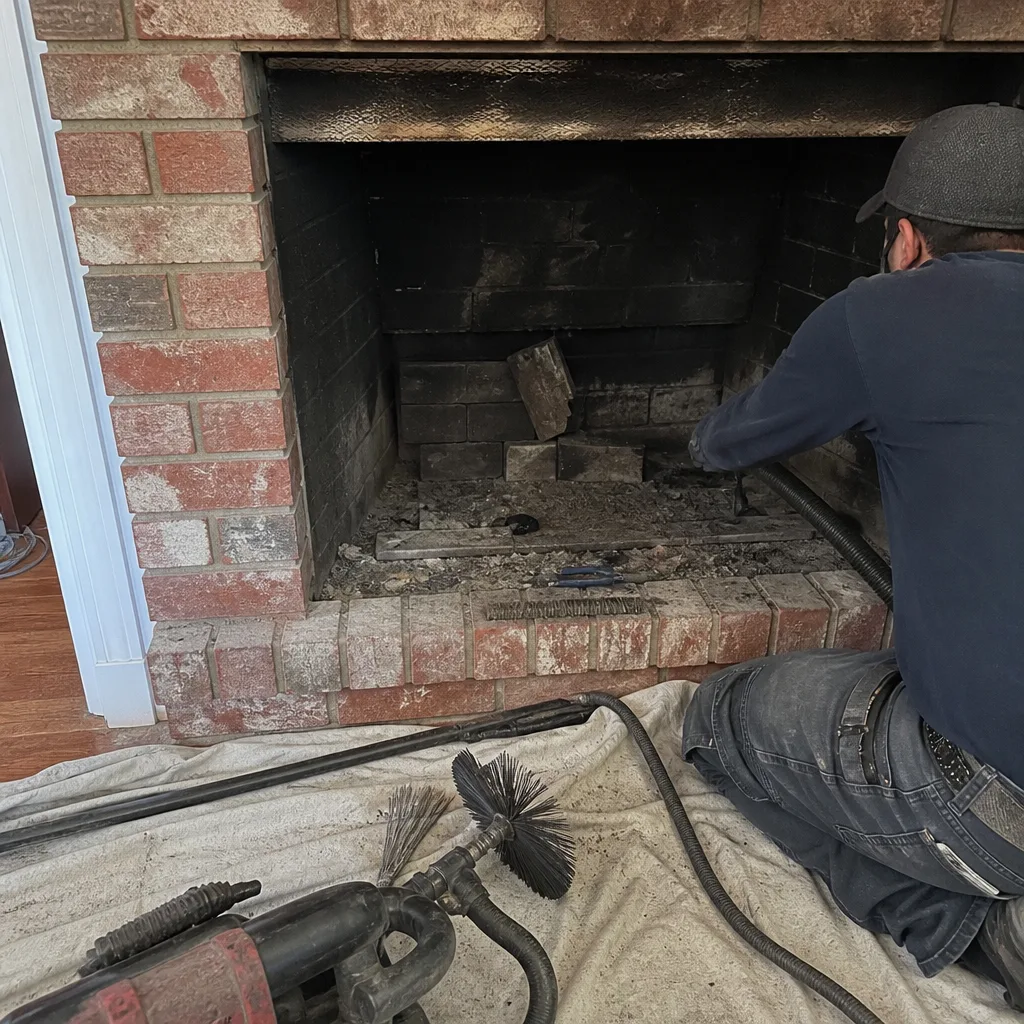
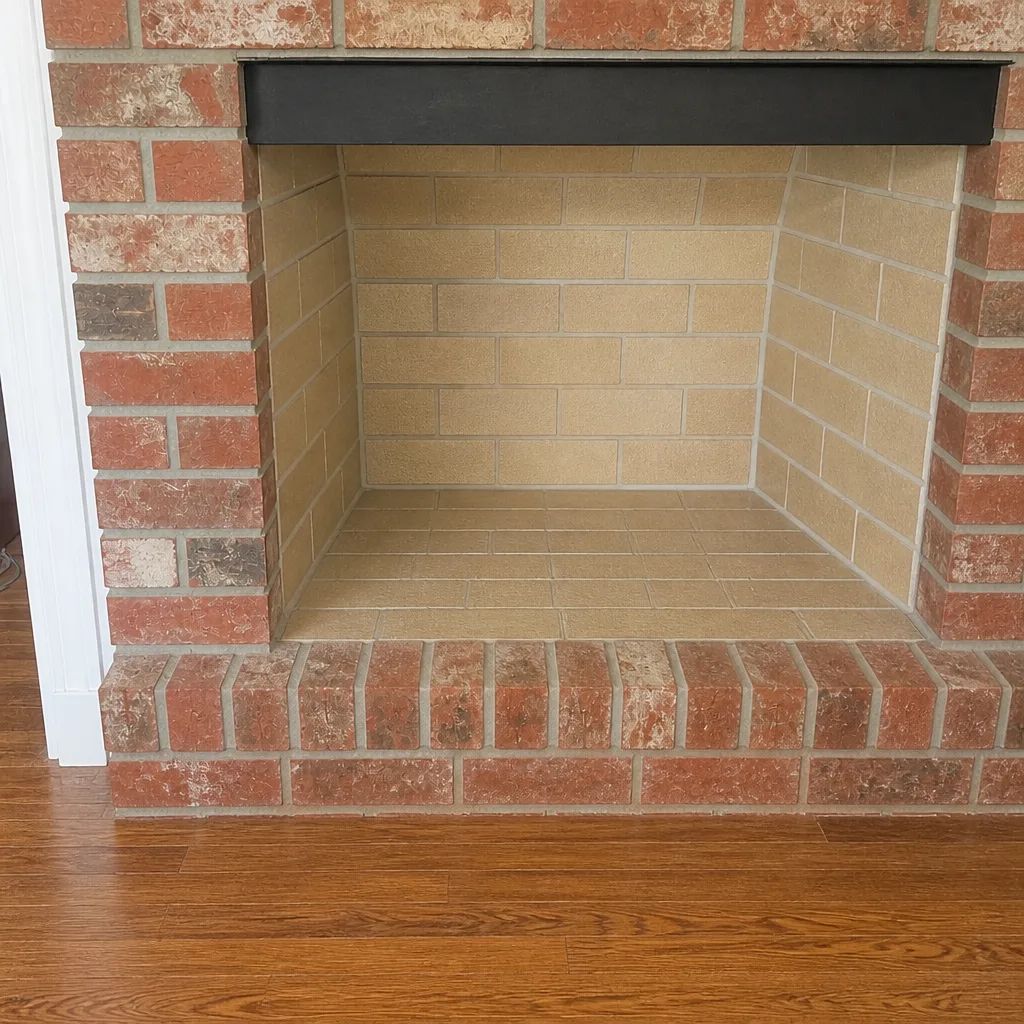
See the difference
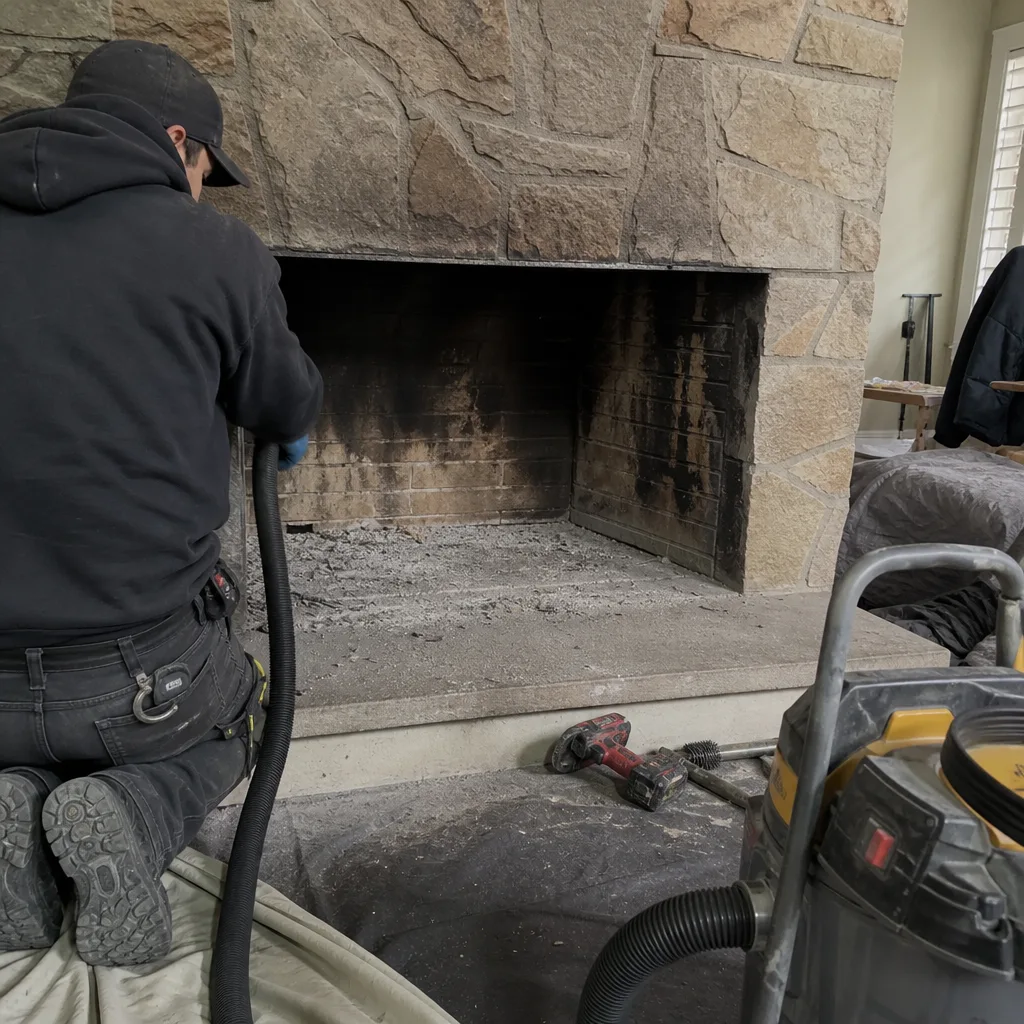 Before
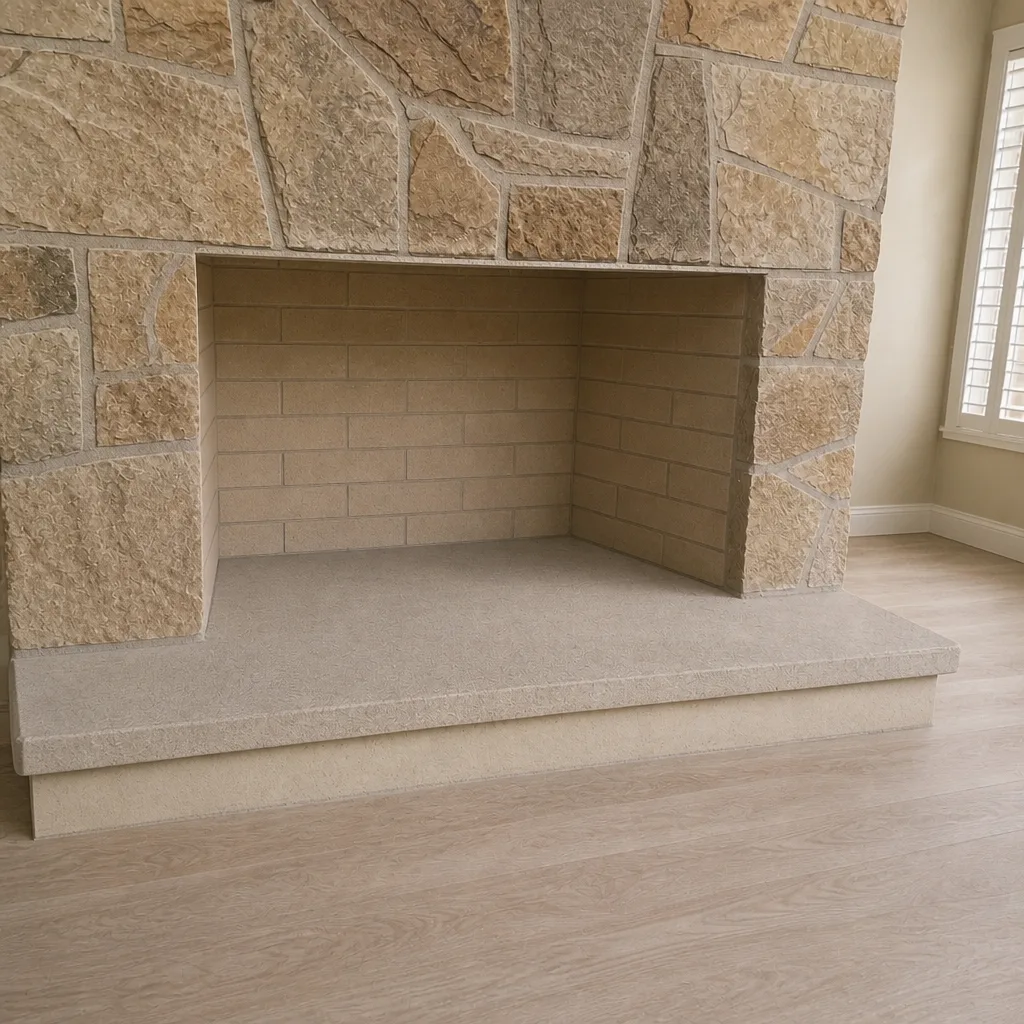 After
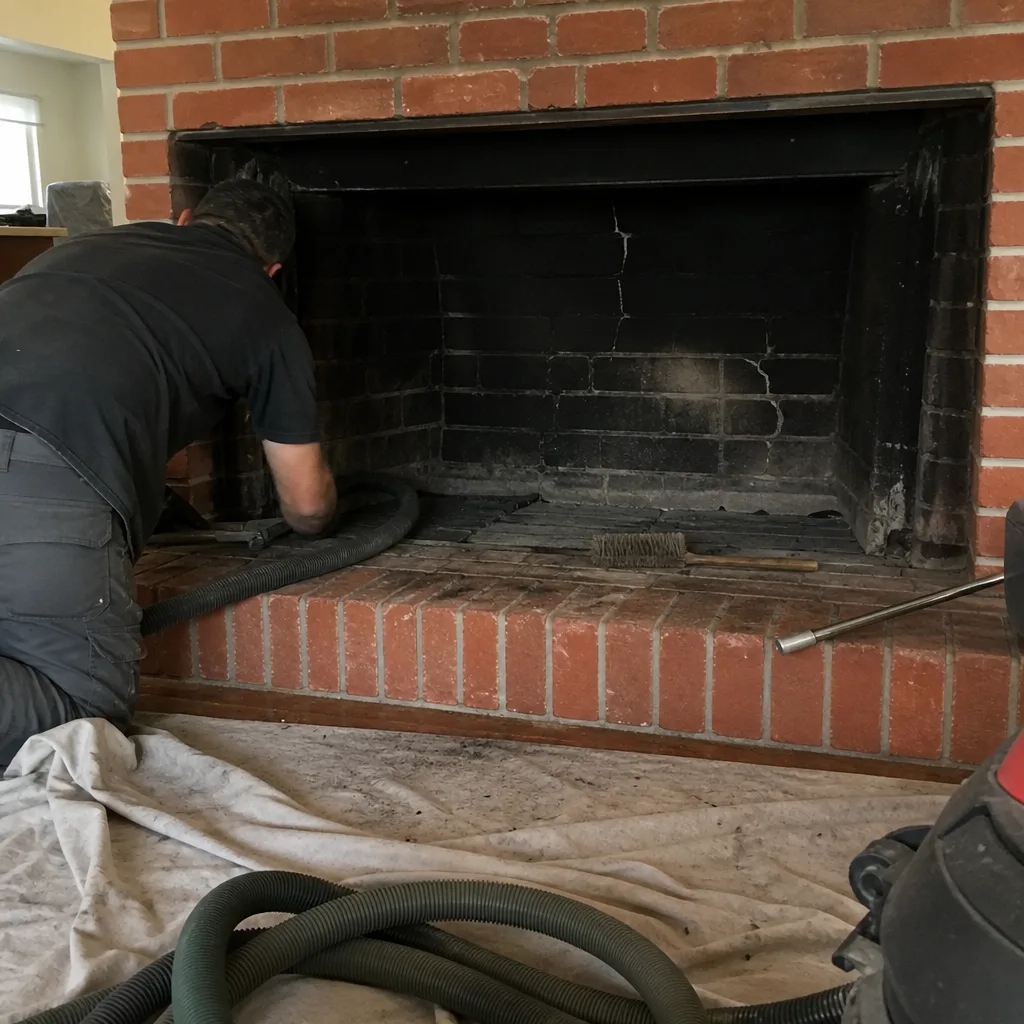 Before
 After
 Before
 After