
Last updated November 4, 2026
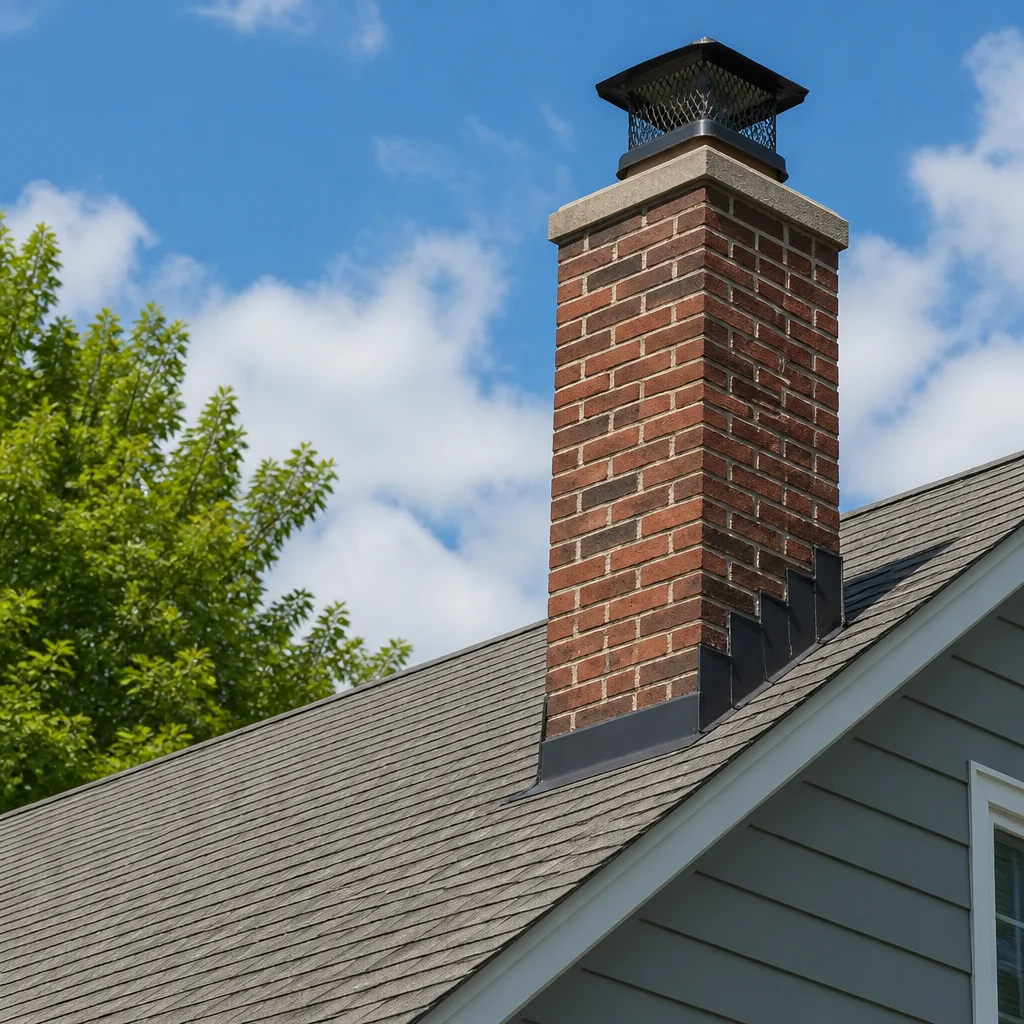 Sweep & inspection
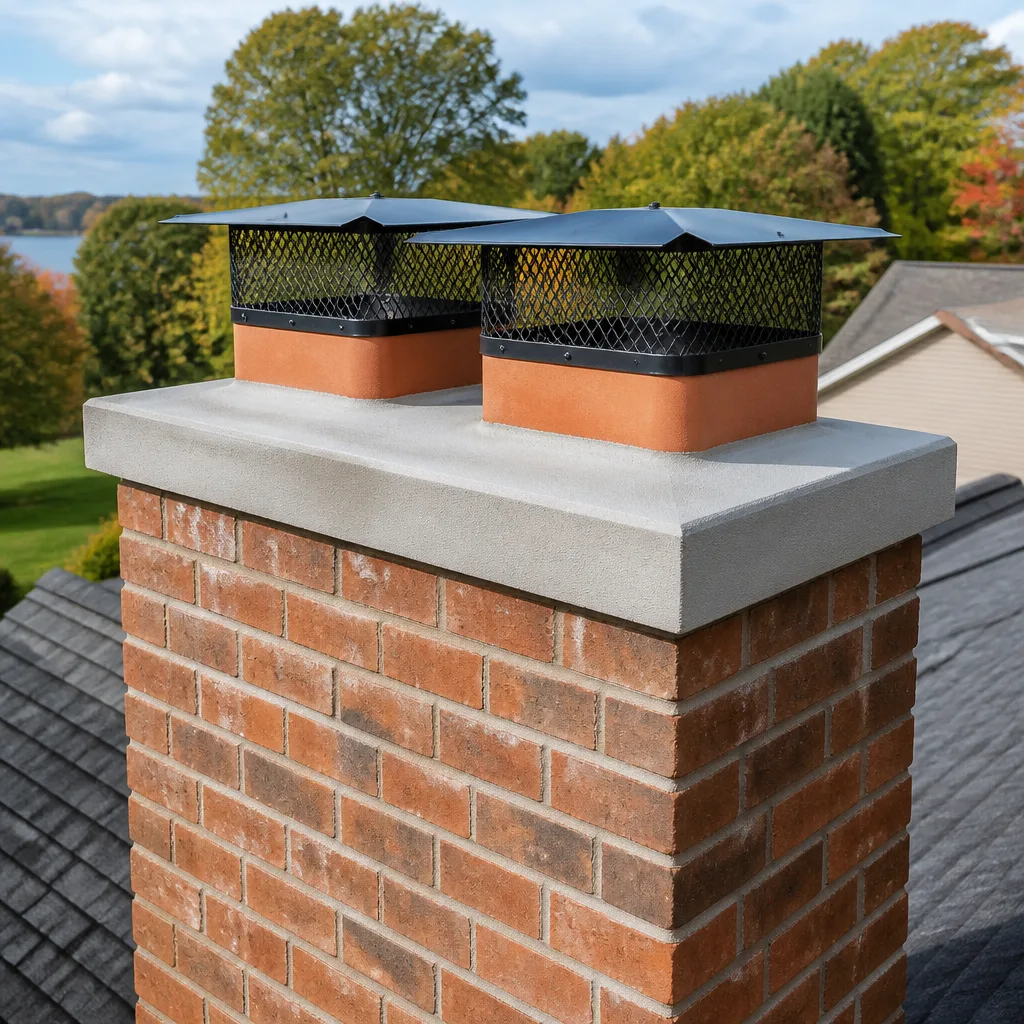 Caps & crowns
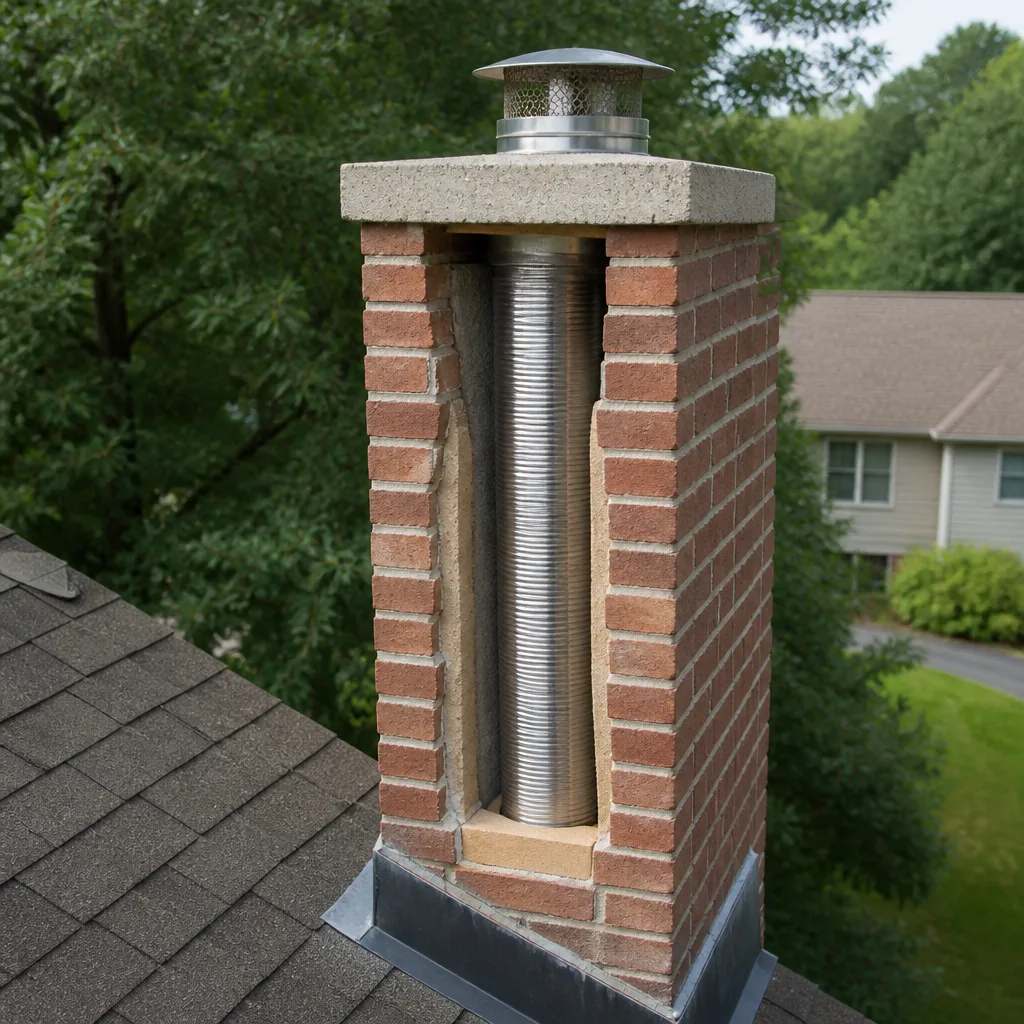 Flue relining
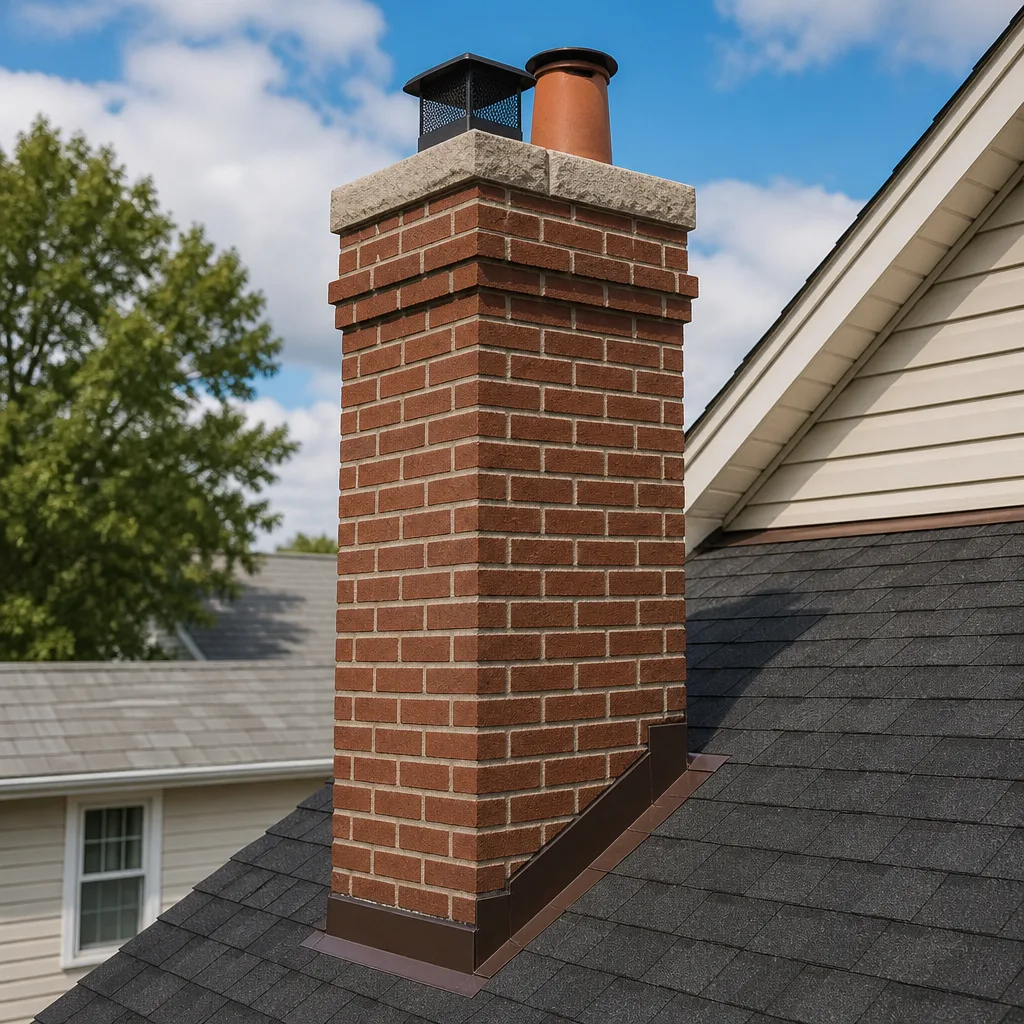 Masonry repair
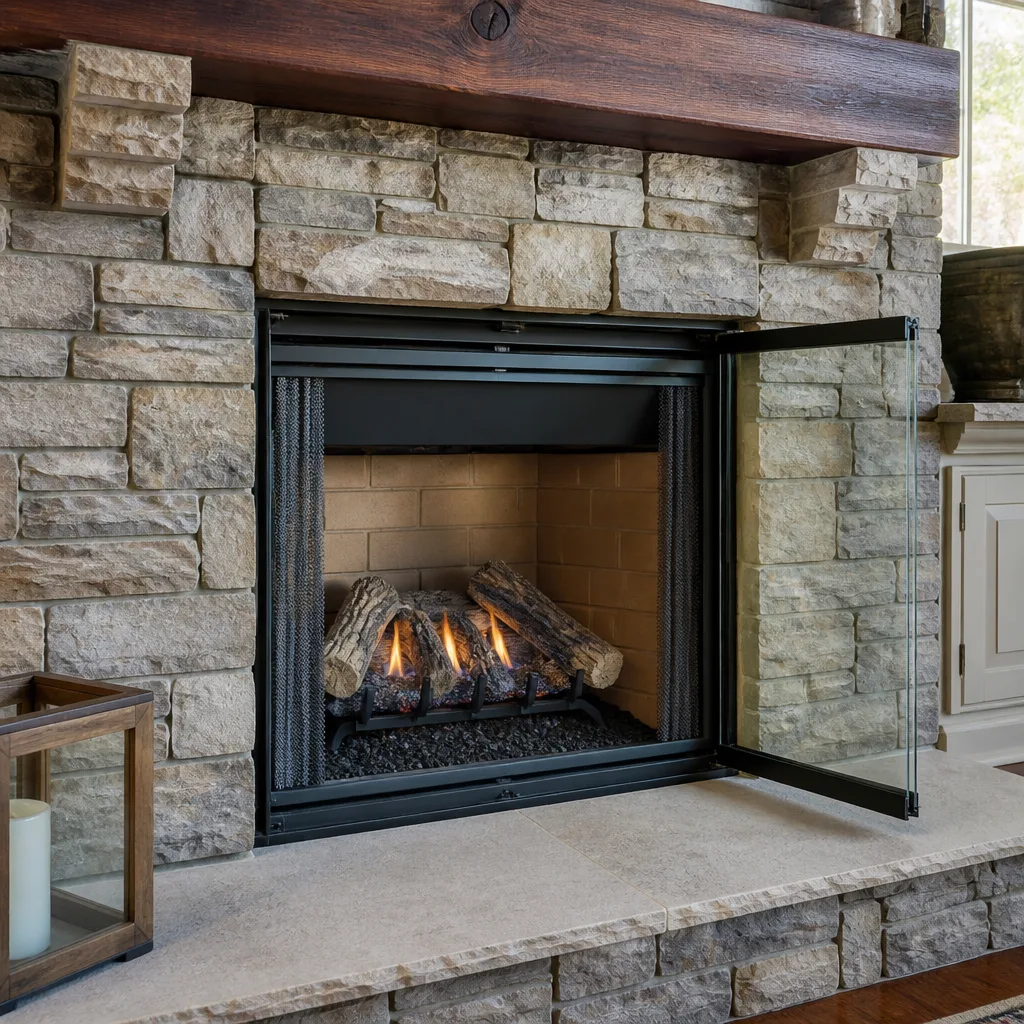 Gas fireplace service
Level 1 sweep and inspection to the NFPA 211 annual standard - flue, crown, cap, and flashing checked and photographed
Chimney sweep logs do not sweep chimneys. They loosen some creosote - which then falls where a brush and vacuum still have to collect it.
Chimney Sweep Maintenance Schedule: What to Do and When
Most chimney maintenance advice assumes every fireplace gets the same amount of use. That assumption is expensive. A homeowner who burns five fires per year needs a fundamentally different maintenance plan than someone who burns forty, yet both get handed the same generic “sweep it annually” line. What actually determines your schedule is fuel type, how often you light a fire, and how your specific appliance vents. This guide builds a maintenance framework around those variables, with specific attention to how Sunnyvale‘s mild climate creates a unique offseason problem: dormant flues that attract nesting animals and moisture damage between burn seasons.
Quick Answer
A chimney maintenance schedule in Sunnyvale should be built around usage tiers, not just calendar dates. Homes burning fewer than 10 fires per year still need an annual inspection focused on animal entry and moisture damage, while homes burning 30 or more fires need a sweep after every cord of wood. Gas fireplace inserts need their own rhythm, typically a professional inspection every 2 years with attention to venting that fails silently. The correct sequence is always inspection first, sweeping second, repair third.
Styles & brands we work with
- Sweep & inspection
- Caps & crowns
- Flue relining
- Masonry repair
- Gas fireplace service
Table of Contents
- The Usage-Tier Framework: Your Real Maintenance Schedule
- Offseason Tasks That Prevent the Most Expensive Repairs
- Gas Inserts vs. Wood-Burning: Different Rhythms, Different Risks
- The Correct Sequence: Inspection, Sweep, Repair
- Documenting Your Chimney Year Over Year
- What Professional-Grade Materials Change About Maintenance
- Why Your Dryer Vent Belongs on the Same Schedule
- How Sunnyvale’s Climate Shapes Your Chimney’s Wear Pattern
The Usage-Tier Framework: Your Real Maintenance Schedule
Here is the framework we use when homeowners ask us what they should do and when. It replaces the one-size-fits-all annual rule with three tiers based on how often you actually light a fire.
Tier 1: Occasional Burner (Fewer Than 10 Fires Per Year)
This is the most common usage pattern we see in Sunnyvale homes: fires on cooler evenings through the mild winter months, with long stretches of dormancy in between. If this sounds like your fireplace, your creosote accumulation is minimal. But you have a bigger problem: an unused flue is an invitation. Birds, squirrels, and raccoons find their way into chimneys that sit quiet for months. In Sunnyvale, where the burn season is short and the offseason is long, animal entry is the leading reason occasional burners call us for an inspection.
Here is your actual schedule:
- Every 12 months: A Level 1 inspection, focused on the cap, the flue interior, and evidence of animal activity. This is not optional, even if you burned only three fires.
- Every 2-3 years: A sweep. Creosote builds slowly at this usage level, but it does build, and animal nesting debris mixed with old creosote is a fire risk.
- Every 3-5 years: A close look at your mortar joints and crown. Long dormancy lets moisture sit against masonry that would otherwise dry out from regular heat.
Tier 2: Regular Burner (10-30 Fires Per Year)
You use your fireplace as a real heat source on cool Sunnyvale evenings, but you are not heating the whole house with it. At this level, creosote accumulation is steady and predictable. The rule that matters is simple: sweep after roughly one full cord of wood, regardless of how many fires that translates to for you. For most regular burners in this climate, that lands somewhere between every 1 and 2 years.
- Every cord of wood burned: A full sweep. Do not wait for a date on the calendar.
- Every 12 months: A Level 1 inspection including cap, crown, and flashing.
- Every 2 years: A visual check of your damper seal and operation. Dampers warp and corrode over time, and a failed damper lets conditioned air escape year-round.
Tier 3: Heavy Burner (30+ Fires Per Year)
You burn through most of the winter, possibly as a primary or supplemental heat source. Your creosote builds fast, your flue gets hot often, and your maintenance needs are the most demanding. This tier is where skipped sweeps turn into chimney fires. Heavy burners in Sunnyvale are rare compared to colder climates, but the ones who do burn heavily are often using older masonry fireplaces that were never designed for continuous use.
- Every cord of wood, without exception: A full sweep. If you burn two cords in a season, you get two sweeps.
- Every 6 months: A visual inspection of the flue interior, looking for glaze-stage creosote, which is dense, tar-like, and not removable with a standard brush.
- Every 12 months: A full Level 2 inspection, including internal video scanning if you burn more than a cord per year.
The takeaway is this: your calendar is not the authority. Your usage is. A heavy burner who sweeps “annually” is undertreating the chimney, and an occasional burner who sweeps “annually” is often paying for work they do not need while ignoring the offseason damage they do have.
Offseason Tasks That Prevent the Most Expensive Repairs
When the weather warms up and the fireplace goes dark, most homeowners forget the chimney exists. That is exactly when the most expensive damage happens. In Sunnyvale, the offseason is long, and it is when moisture, animals, and neglect do their worst work.
Here are the specific offseason tasks that deliver the most repair-prevention value per dollar, in order of importance:
- Cap inspection and replacement. A missing or damaged chimney cap is the single most preventable cause of animal entry and water damage. A proper cap with a screened spark arrestor keeps out rain, birds, squirrels, and raccoons. In our experience, a surprising number of Sunnyvale homes have either no cap or a rusted-out cap that is doing nothing. This is a twenty-dollar inspection that prevents thousand-dollar animal removal and flue cleaning.
- Damper lubrication and inspection. A damper that sits unused for eight months corrodes and seizes. Lubricating the mechanism and checking the seal each spring keeps it functional for the next burn season and prevents the slow conditioned-air leak that drives up cooling costs all summer.
- Mortar joint check. Masonry expands and contracts with temperature changes, even in mild climates. Over time, mortar joints between bricks develop hairline cracks. During the offseason, moisture works into those cracks and accelerates decay. A quick visual check each spring identifies joints that need repointing before they become structural problems.
- Flue interior moisture check. If your flue has no cap or a compromised cap, rainwater sits inside the flue during the offseason. That moisture mixes with old creosote and creates an acidic slurry that eats away at brick and mortar. Checking the flue interior in the spring, before the long dry season, is a low-cost way to catch this early.
- Crown and flashing inspection. The crown is the concrete slab that seals the top of the chimney, and the flashing is where the chimney meets the roof. Both fail slowly, and both let water into places that are expensive to repair. A spring inspection catches them when the repair is still minor.
These five tasks take a professional less than an hour combined, and they prevent the vast majority of chimney repair work we do in Sunnyvale. The homeowners who do them every year rarely need major work. The ones who skip them for five years are the ones looking at full liner replacement or crown reconstruction.
Gas Inserts vs. Wood-Burning: Different Rhythms, Different Risks
Gas fireplace inserts are increasingly common in Sunnyvale homes, and they present a maintenance profile that is almost the opposite of a wood-burning fireplace. A wood-burning flue builds up creosote that is visible, odorous, and easy to understand. A gas insert produces water vapor and acidic exhaust that corrodes venting components slowly and silently. Homeowners do not see the damage because it happens inside metal venting that is not visible without a camera.
Here is the maintenance rhythm gas insert owners should follow:
- Every 2 years: A professional inspection of the venting system, including the termination cap and the full vent run. Gas venting fails silently, and by the time you smell exhaust or see staining, the system has already been compromised for a while.
- Every 3-5 years: A full cleaning of the burner and combustion chamber. Dust, pet hair, and fine debris accumulate inside the unit and affect combustion efficiency.
- Annually, by the homeowner: A visual check of the glass for cracking, the gasket for wear, and the area around the termination cap for any blockage or staining.
The key difference is this: a wood-burning chimney tells you when it needs attention. A gas insert does not. That is why the inspection interval is the critical part of the schedule, not the cleaning interval. Gas appliances are also a carbon monoxide risk when venting fails, and that risk is invisible without detection equipment. A professional inspection checks the venting integrity, not just the cleanliness.
The Correct Sequence: Inspection, Sweep, Repair
Homeowners often ask us to “just do a sweep” and skip the inspection, thinking they are saving money. That is the most expensive shortcut in this trade. The sequence exists for a reason, and doing tasks out of order leads directly to wasted money and missed problems.
Here is the correct sequence and why each step must come before the next:
- Inspection first. A sweep is a cleaning procedure, not a diagnostic one. If there is a cracked flue tile, a separated liner, or a failed damper, sweeping does not reveal it, and it may make the problem worse by dislodging debris that was masking damage. The inspection is where we identify what the chimney actually needs, using camera equipment to see the flue interior from top to bottom.
- Sweeping second. Once we know the flue is structurally sound and we understand what kind of creosote we are dealing with, the sweep is straightforward. But sweeping a damaged flue can send cracks deeper, dislodge loose mortar, and create hazards that did not exist before. The sweep should never happen before we have confirmed the flue can tolerate it.
- Repair third. Repairs are based on what the inspection reveals, not on guesswork. If the flue tiles are cracked but the structure is sound, a HeatShield resurfacing may restore the flue without a full reline. If the geometry of the chimney is unusual, a DuraFlex flexible liner may be the right solution. But none of those decisions can be made correctly until we have seen the flue interior, and none of the work should be scheduled until after the sweep has cleared the field.
When a homeowner skips the inspection and asks for a sweep, what usually happens is this: the sweep clears the creosote, the homeowner feels good, and the underlying damage continues to worsen invisibly. A year or two later, the repair is bigger and more expensive than it would have been. The inspection is not an upsell. It is the step that makes the sweep worthwhile and the repair accurate.
Documenting Your Chimney Year Over Year
The most underrated maintenance habit we can recommend is simple: keep a record. Most homeowners rely on memory, and memory is unreliable when it comes to slow, incremental change. A crack that looks “about the same as last time” is impossible to evaluate without a baseline.
Here is what we recommend documenting after every inspection or sweep:
- Photos. Ask your technician to take photos of the flue interior, the cap, the crown, and any areas of concern. Store them with the date. A camera inspection typically includes these, and they become your baseline for comparison.
- Written findings. Keep the inspection report. It should note creosote depth, moisture readings, any cracking or deterioration, and the condition of each component. This is your data set for spotting trends.
- Repair history. Record every repair, resurfacing, or component replacement, including the date and the material used. If a HeatShield application was done, note it. If a cap was replaced, note the brand and date.
- Usage log. This one is easy and often skipped. Note roughly how many fires you burned that season and what kind of wood. Usage is the variable that drives your maintenance schedule, so the log is what makes your next inspection meaningful.
Over three to five years, this record becomes more valuable than any single inspection. It shows you exactly how fast your chimney is degrading, whether a crack is growing, and whether a repair is holding. It also protects you: when a contractor recommends an expensive repair, you can compare it against your documented history and ask pointed questions. Homeowners who document their chimney’s condition are far less likely to be sold a repair they do not need.
What Professional-Grade Materials Change About Maintenance
The materials used in your chimney directly affect how often it needs service and how long repairs last. This is not a subtle difference. A flue restored with HeatShield resurfacing behaves differently over time than a flue that received a patch job. A liner installed with a DuraFlex flexible system fits the actual geometry of the chimney, rather than forcing a one-size solution into a space that has offsets and bends. These differences show up in your maintenance schedule years down the line.
Here is what we mean specifically. When flue tiles crack, the traditional fix is a full reline, which is expensive and invasive. HeatShield resurfacing allows us to restore the existing flue tiles in many cases, rebuilding the surface rather than replacing the entire system. That is a professionally accepted method that not every chimney company offers, and it changes the cost equation for homeowners whose chimneys are otherwise sound. A restored flue, properly maintained, can last for years without needing further work.
Similarly, when a liner is necessary, a flexible liner made to fit the actual flue path performs better over time than a rigid liner installed into a chimney with offsets it was never designed for. We use DuraFlex liner systems for installations where adaptability matters, because the liner moves with the chimney rather than fighting it. The same goes for components from Gelco, Olympia Chimney, and Famco. These are professional supply brands, not hardware-store substitutes, and the difference is durability.
For Sunnyvale homeowners, this matters because the climate is mild enough that a well-maintained chimney can last decades. The limiting factor is almost never weather. It is the quality of the previous repair and the consistency of the maintenance. A chimney that received professional-grade materials and a documented maintenance schedule has a fundamentally different long-term cost profile than one that received the cheapest fix available.
Why Your Dryer Vent Belongs on the Same Schedule
This guide is about chimneys, but we would be doing Sunnyvale homeowners a disservice if we did not mention the other venting system in your house. Dryer vents and chimney flues are both fire-risk venting systems, and they both degrade over time in ways that are easy to ignore. Lint buildup in a dryer vent is combustible, and it is the leading cause of dryer fires in residential homes. The National Fire Protection Association has documented this connection for years, and it is one of the reasons we offer dryer vent cleaning alongside chimney services.
The practical reason to combine them is simple: one appointment. A homeowner who has us out for a chimney sweep can add a dryer vent cleaning to the same visit and address both fire-risk venting systems at once. That is not a convenience play. It is a recognition that these two systems fail in similar ways and are both invisible until something goes wrong. For a household with a gas dryer, the stakes are higher: a blocked dryer vent traps carbon monoxide, and gas dryers depend on proper venting to exhaust combustion gases safely.
Here is the schedule we recommend for dryer vents:
- Every 12 months: A professional cleaning for households that do regular laundry (most families).
- Every 6-12 months: Households with long vent runs, multiple right-angle turns, or gas dryers.
- Immediately: If drying times increase, the dryer feels hot to the touch, or you smell a musty odor during a cycle.
Pairing the dryer vent with your chimney maintenance schedule means both systems get attention on a rhythm that matches how you actually use them, not a calendar reminder that is easy to ignore.
How Sunnyvale’s Climate Shapes Your Chimney’s Wear Pattern
Sunnyvale’s climate is mild, and that mildness creates a specific set of chimney conditions that are different from what homeowners in colder or wetter climates experience. We do not deal with freeze-thaw damage the way a homeowner in the Midwest does. Our winters are not built around deep cold. What we do deal with is a long offseason, a short burn season, and the specific problems those conditions create.
The biggest one is animal entry. In Sunnyvale, fireplaces sit unused for most of the year, and a dormant flue is a protected cavity that birds, squirrels, and raccoons find attractive. A chimney cap with a proper screen is the single most important component for a Sunnyvale chimney, and it is the one most often missing or damaged. The offseason is when animals move in, and by the time you notice the scratching sounds or the odor, the nesting material is already packed into the flue and needs professional removal.
The second issue is moisture. Sunnyvale’s dry season is long, but when moisture does get in, through a failed cap or a cracked crown, it sits in the flue and mixes with creosote residue. The result is an acidic environment that deteriorates brick and mortar gradually. This is not visible from the ground, and it does not announce itself with a dramatic event. It is a slow, quiet process that a regular inspection catches early and neglect turns into a major repair.
The third issue is related to how we build here. Many Sunnyvale homes are older, with masonry chimneys that were built decades ago and may not have been upgraded since. These chimneys often have original clay tile liners that are now cracked or deteriorated, and they may not meet current code requirements for modern appliances. When a homeowner in an older Sunnyvale home asks us to inspect their chimney, part of the inspection is assessing whether the original construction is still appropriate for how the homeowner uses the fireplace today.
Understanding these local conditions matters because the standard advice you find online is written for a generic homeowner in a generic climate. A Sunnyvale homeowner who follows a schedule designed for a cold-climate heavy burner is doing the wrong maintenance. The schedule in this guide is built for the way chimneys actually behave in Sunnyvale: short, intense burn seasons, long dormant periods, and the specific offseason risks that come with mild weather.
Common Mistakes to Avoid
- Skipping the cap inspection because “we never use the fireplace.” An unused chimney is the one most likely to have animals living in it. The cap is your first line of defense, and in Sunnyvale’s mild climate, animals are active year-round. A missing cap means a raccoon can move in any month of the year.
- Sweeping before inspecting. This is the most common sequencing mistake we see. A sweep is a cleaning, not a diagnosis. If the flue is damaged, sweeping can make it worse, and you will not know the damage existed until it becomes a bigger problem.
- Treating a gas insert like a wood-burning fireplace. Gas inserts do not need the same sweeping schedule, but they do need venting inspections. A gas insert owner who thinks “no wood means no maintenance” is missing a silent carbon monoxide risk.
- Assuming one sweep per year is always right. The annual rule is a blunt instrument. A heavy burner who sweeps once a year is undertreating the flue. An occasional burner who sweeps every year is often spending money on a service they do not need while ignoring the offseason damage they do have.
- Ignoring the dryer vent because it is “not a chimney.” Dryer vents are fire-risk venting systems, just like chimneys. A household that keeps the chimney clean but ignores the dryer vent has addressed half the problem.
- Not keeping records. Without a baseline, you cannot spot a trend. A homeowner who documents their chimney’s condition year over year catches deterioration early. One who does not is always starting from scratch.
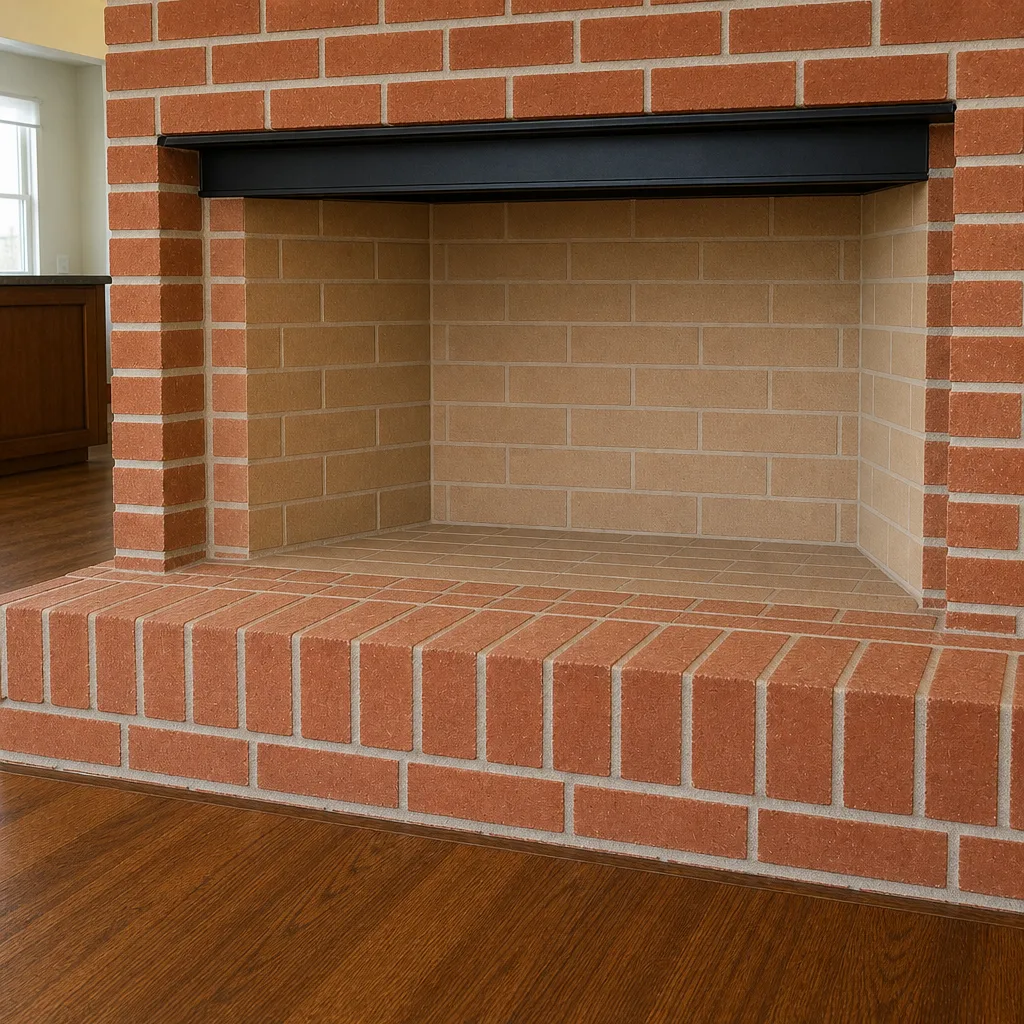
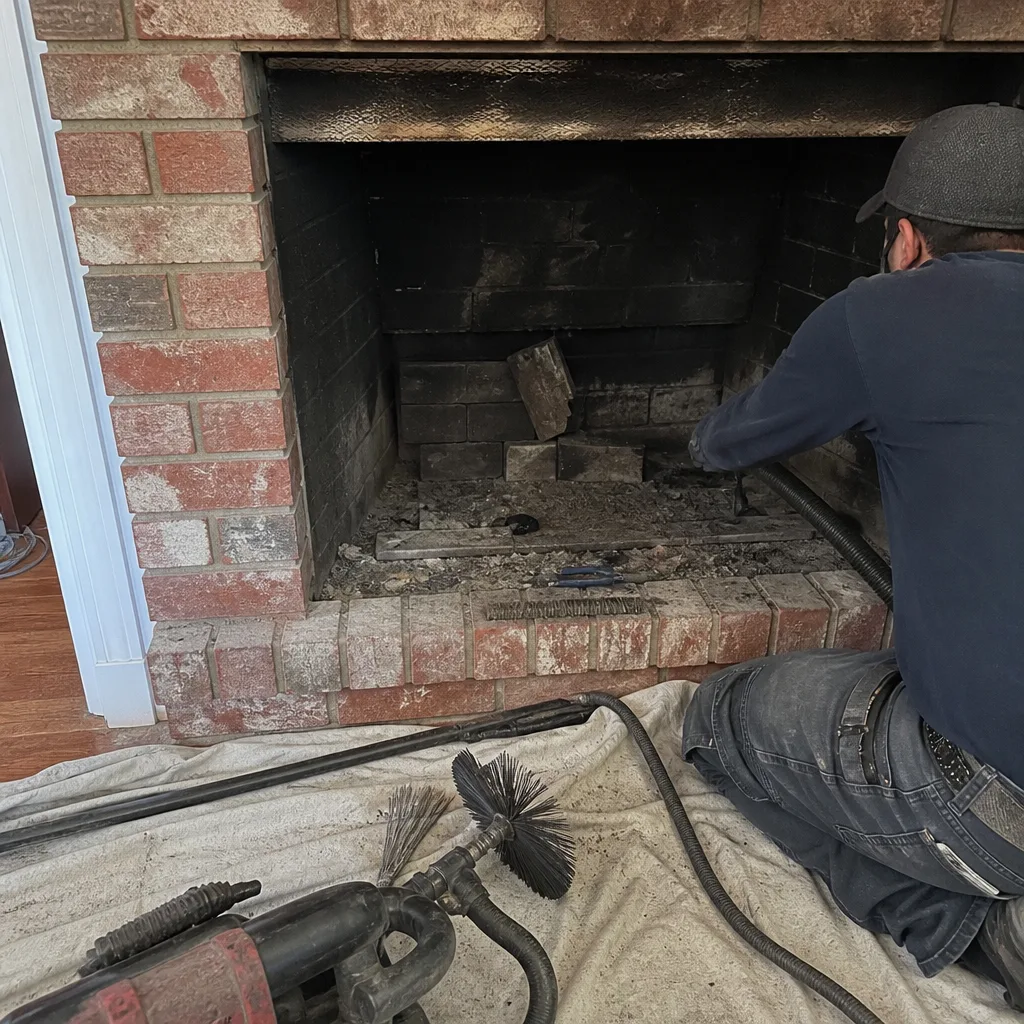
See the difference
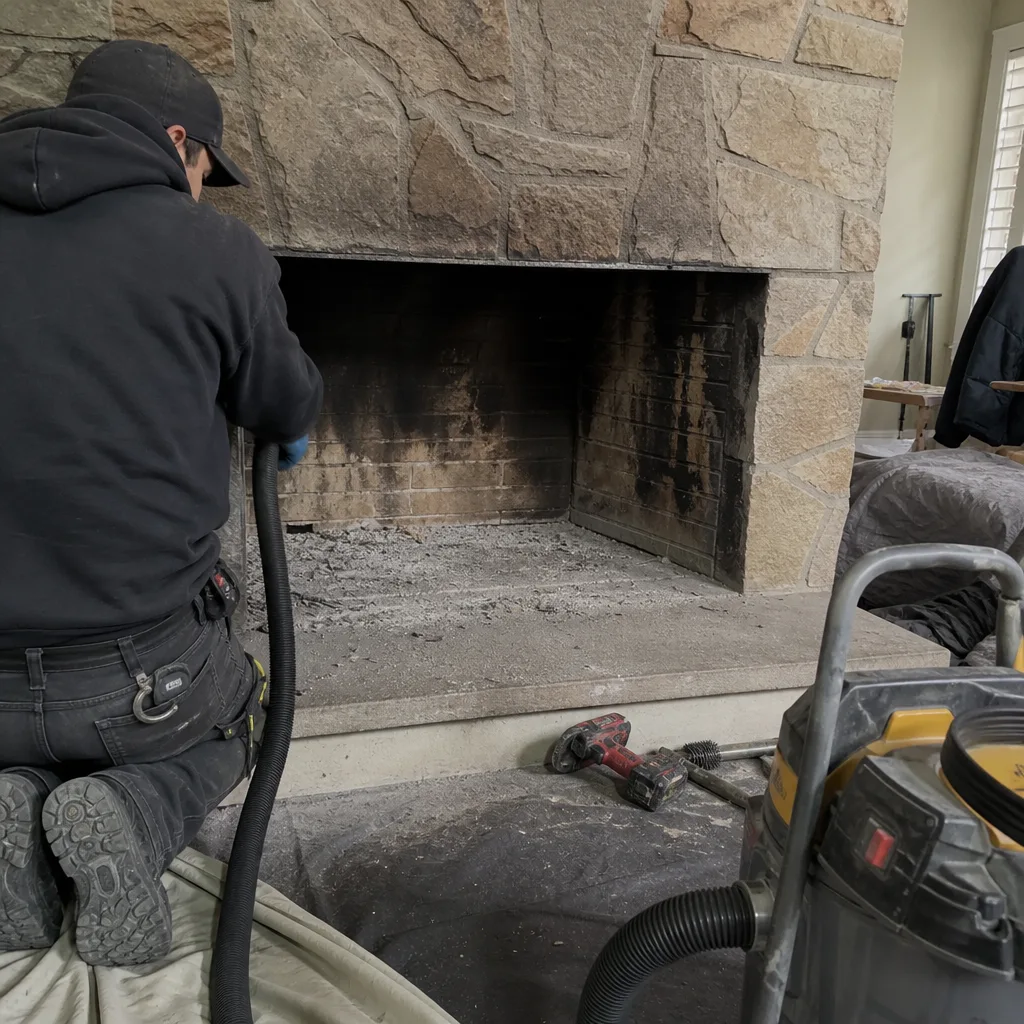 Before
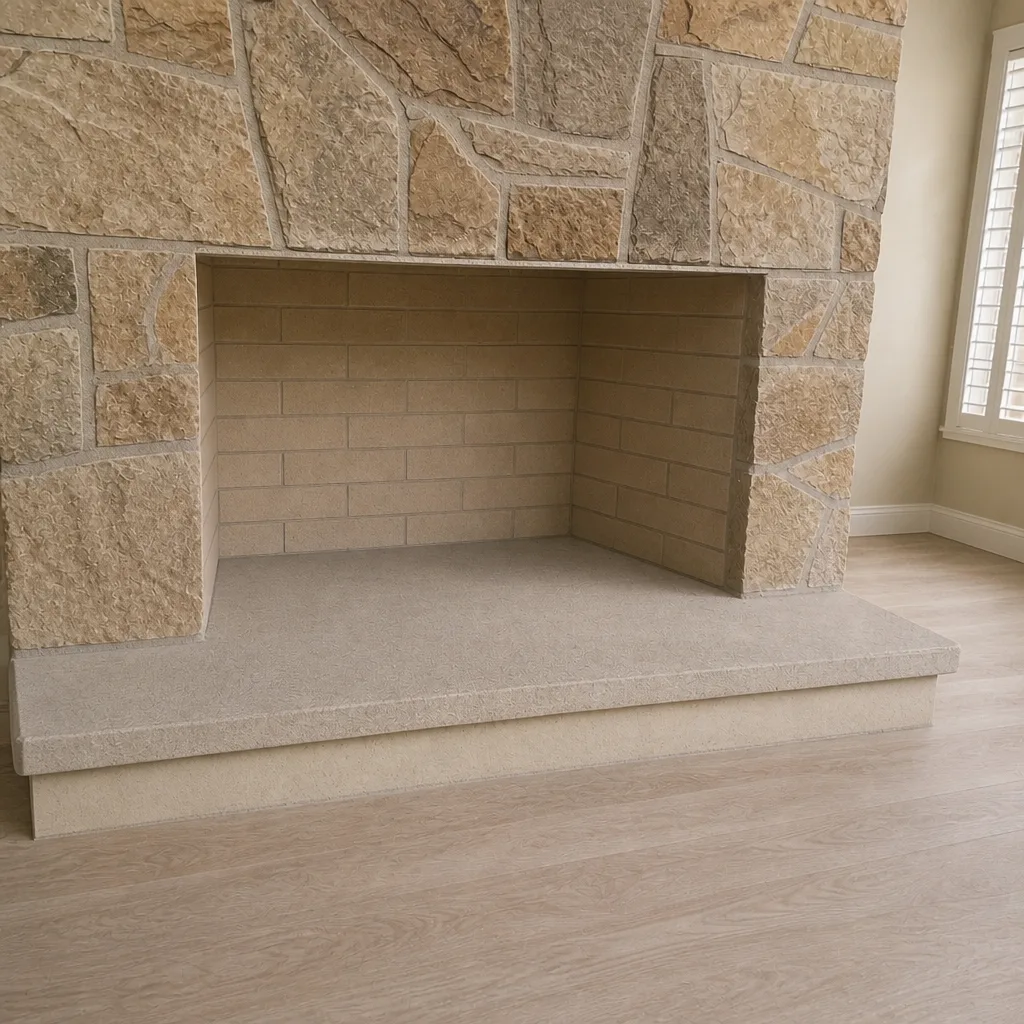 After
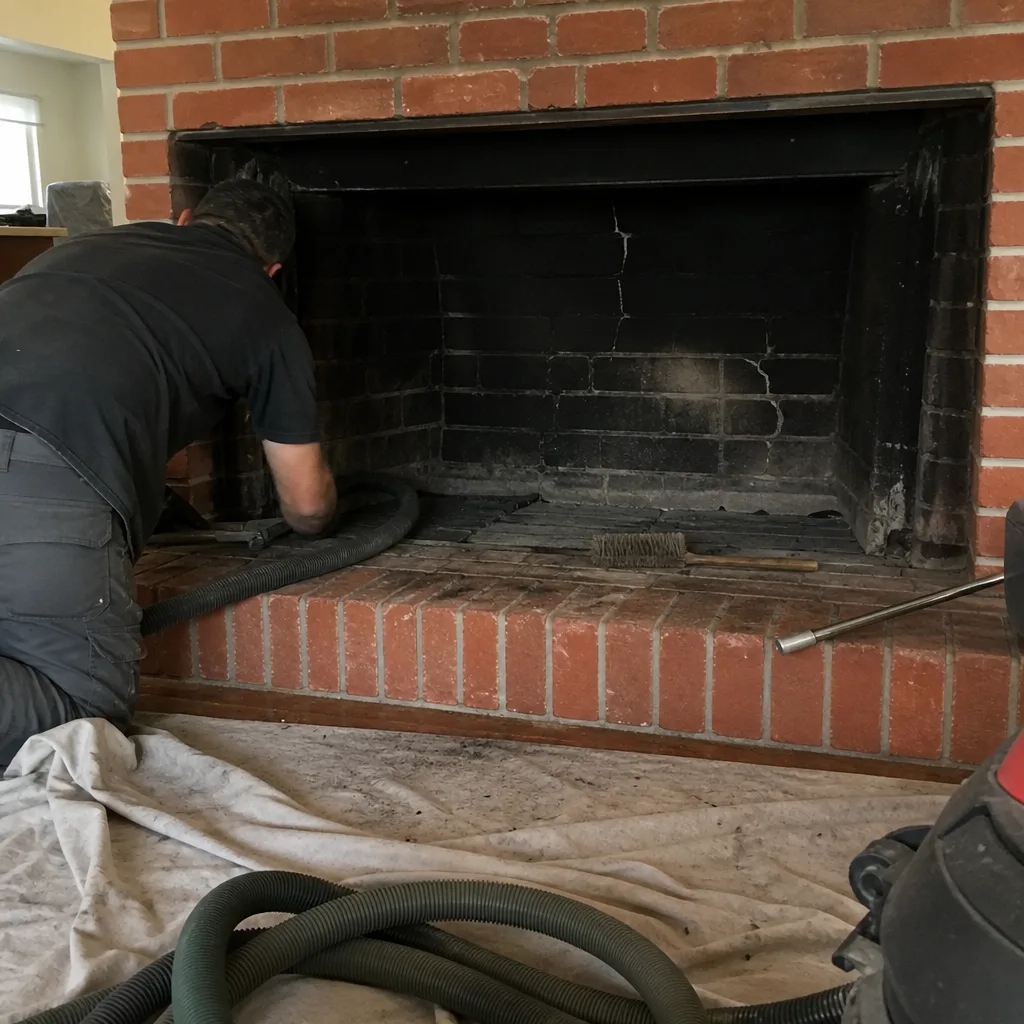 Before
 After
 Before
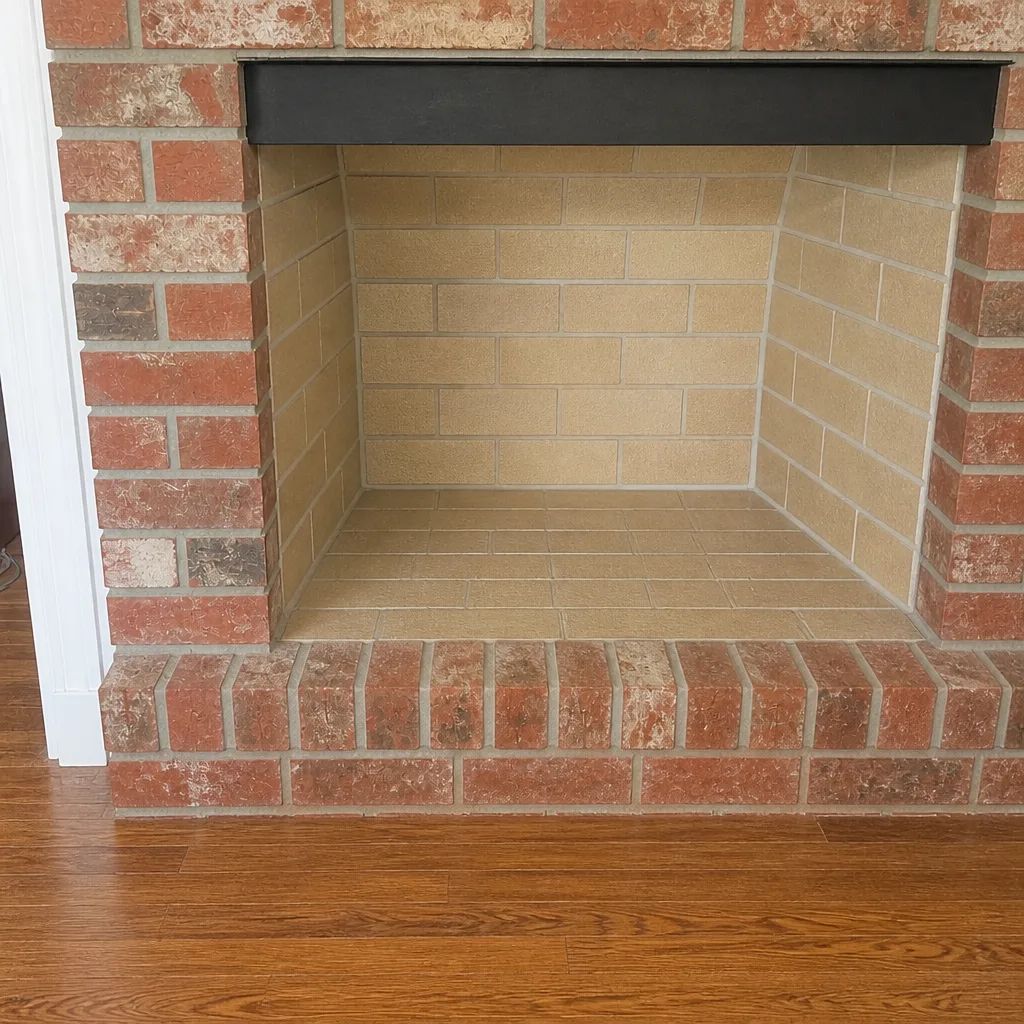 After
When to Call a Professional
Some chimney tasks are homeowner-friendly, like a visual check of the cap from the ground or keeping a usage log. Others are not. Any time you see evidence of animal activity, hear scratching or chirping from the flue, smell a musty or smoky odor when the fireplace is not in use, or see staining on the ceiling near the chimney, call a professional. Soot or creosote falling into the firebox, visible cracks in the firebox, or a damper that will not open or close also warrant a call. Gas appliance owners should call if they notice a sulfur-like odor, soot around the glass, or any change in the flame pattern. For Sunnyvale homeowners, Chimney Cleaning Sunnyvale offers free estimates in Sunnyvale. Call (833) 593-7116. We answer 24/7. Fast dispatch from 7am to 7pm, Sunday through Friday.
Frequently Asked Questions
The honest answer is that it depends on how much you burn, not on the calendar. A homeowner burning fewer than 10 fires per year may need a sweep every 2-3 years, while a regular burner should sweep after each cord of wood. Call (833) 593-7116 for a professional assessment of your specific usage pattern, and we will help you set a realistic schedule based on your actual burn rate, not a generic annual rule. Estimates are free.
Yes, and arguably more than a heavy burner. An unused flue in Sunnyvale is a magnet for nesting animals, and moisture damage develops quietly during the long offseason. An annual inspection focused on the cap, flue interior, and evidence of animal activity is the minimum for occasional burners. The inspection is inexpensive insurance against a raccoon taking up residence or moisture eating away at your flue liner.
Gas inserts do not produce creosote, so they do not need sweeping on the same schedule. But their venting systems corrode from acidic exhaust, and the damage is invisible without a camera inspection. A gas insert owner should schedule a professional venting inspection every 2 years, regardless of how often they use the unit. The risk is carbon monoxide, which is odorless and undetectable without equipment. Treat the inspection as the core maintenance task, not the cleaning.
The specific outcome depends on your usage and your chimney’s construction, but the pattern is predictable. Creosote accumulates and hardens, making it harder to remove. Animals move in during the offseason. Moisture finds its way through cracks and sits inside the flue, accelerating deterioration. By the time you notice a problem, the repair is typically larger than the accumulated cost of the maintenance you skipped. Call (833) 593-7116 for an inspection if it has been more than 2 years since your last one. We answer 24/7. Fast dispatch from 7am to 7pm, Sunday through Friday.
A few tasks are homeowner-friendly. You can visually check the cap from the ground, keep a usage log, and inspect the firebox for visible cracks or falling debris. You should not attempt to sweep the flue yourself, inspect the interior with a camera, or repair any component. The interior of a chimney is hazardous, and the work requires training and equipment. A professional inspection includes tools and access methods that are not DIY territory.
Yes. Many Sunnyvale homes are older construction with original masonry chimneys, and those chimneys often need specific attention: cracked clay tile liners, deteriorated mortar joints, and caps that have rusted through. We inspect these systems regularly and understand how older construction behaves under modern usage patterns. We also have HeatShield resurfacing capability for flue tiles that can be restored rather than fully relined, which is often the right solution for an older chimney that is otherwise sound.
The Bottom Line
A chimney maintenance schedule is not a calendar event. It is a framework built around how you actually use your fireplace, what kind of appliance it is, and how your specific chimney behaves in Sunnyvale’s mild climate. Occasional burners need animal and moisture protection more than they need sweeping. Regular burners need a sweep tied to wood volume, not months. Gas insert owners need venting inspections on a fixed rhythm. And every homeowner needs documentation, because a chimney that is measured and recorded over time is a chimney that rarely surprises you with an emergency repair. The sequence always holds: inspect first, sweep second, repair third. Skip nothing, and you will spend less over the life of the chimney than the homeowner who waits for problems to announce themselves.
Written by the team at Chimney Cleaning Sunnyvale, serving Sunnyvale since 2014.