
Last updated November 4, 2026
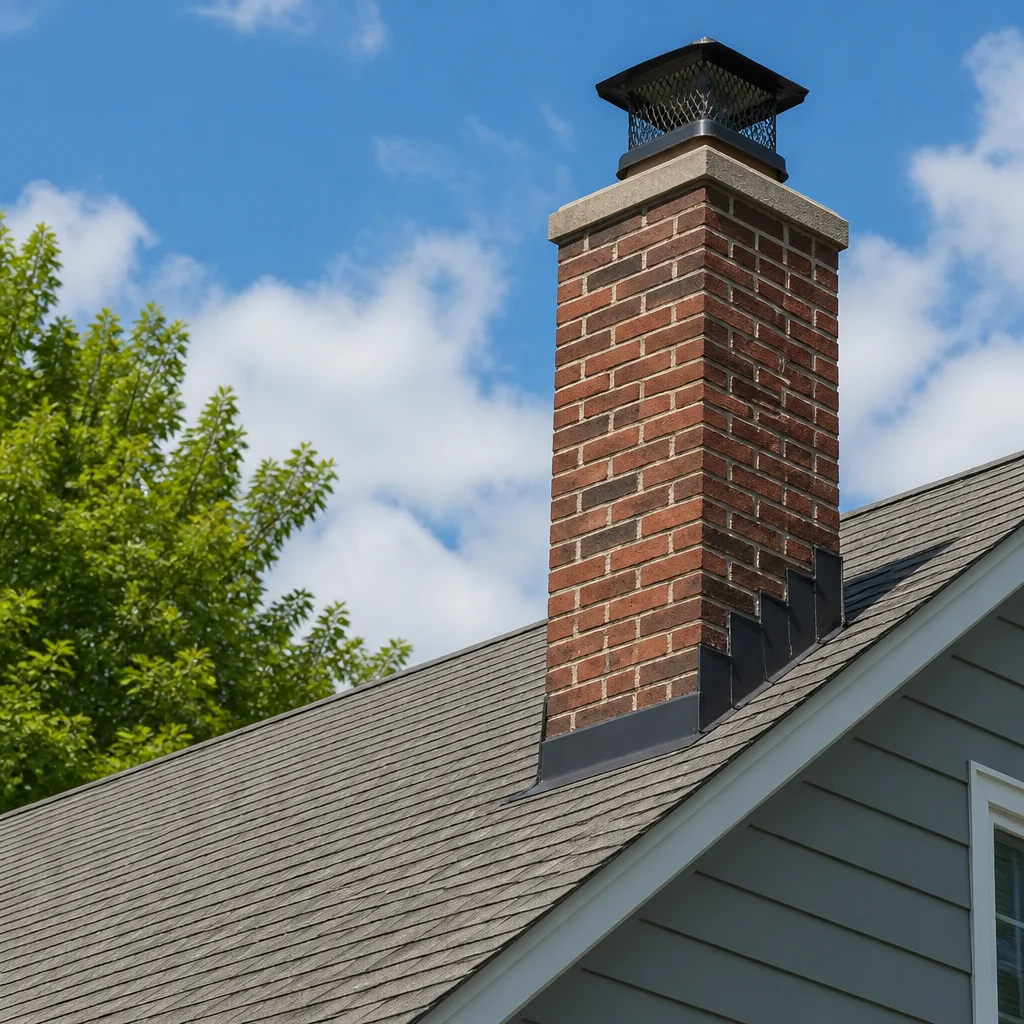 Sweep & inspection
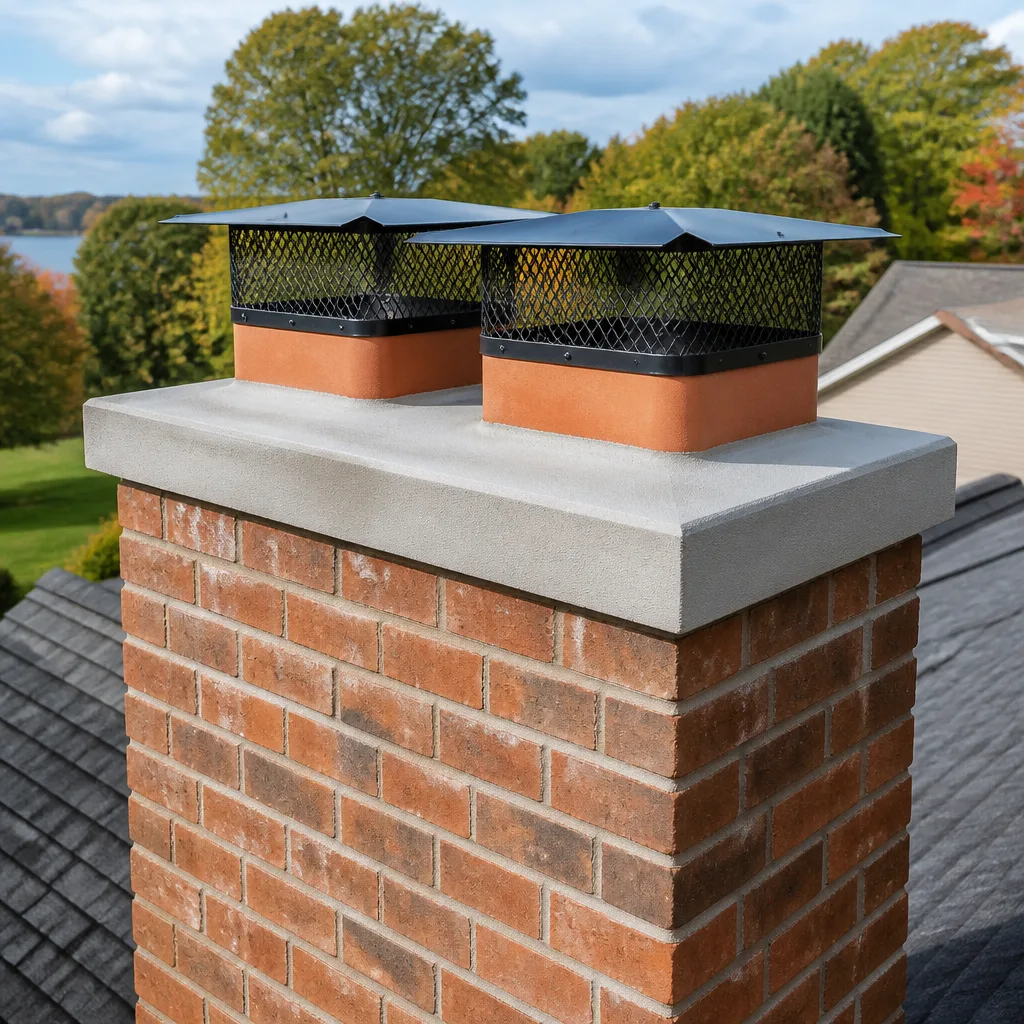 Caps & crowns
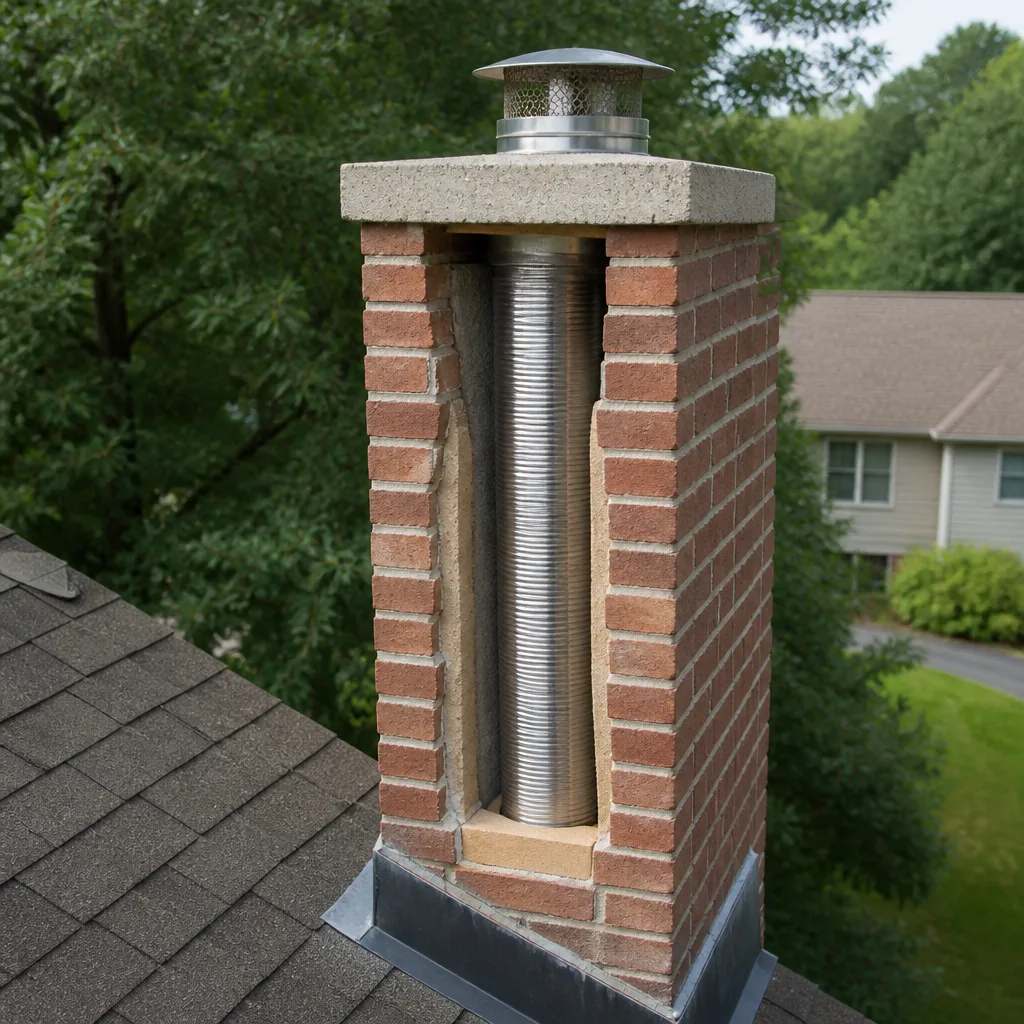 Flue relining
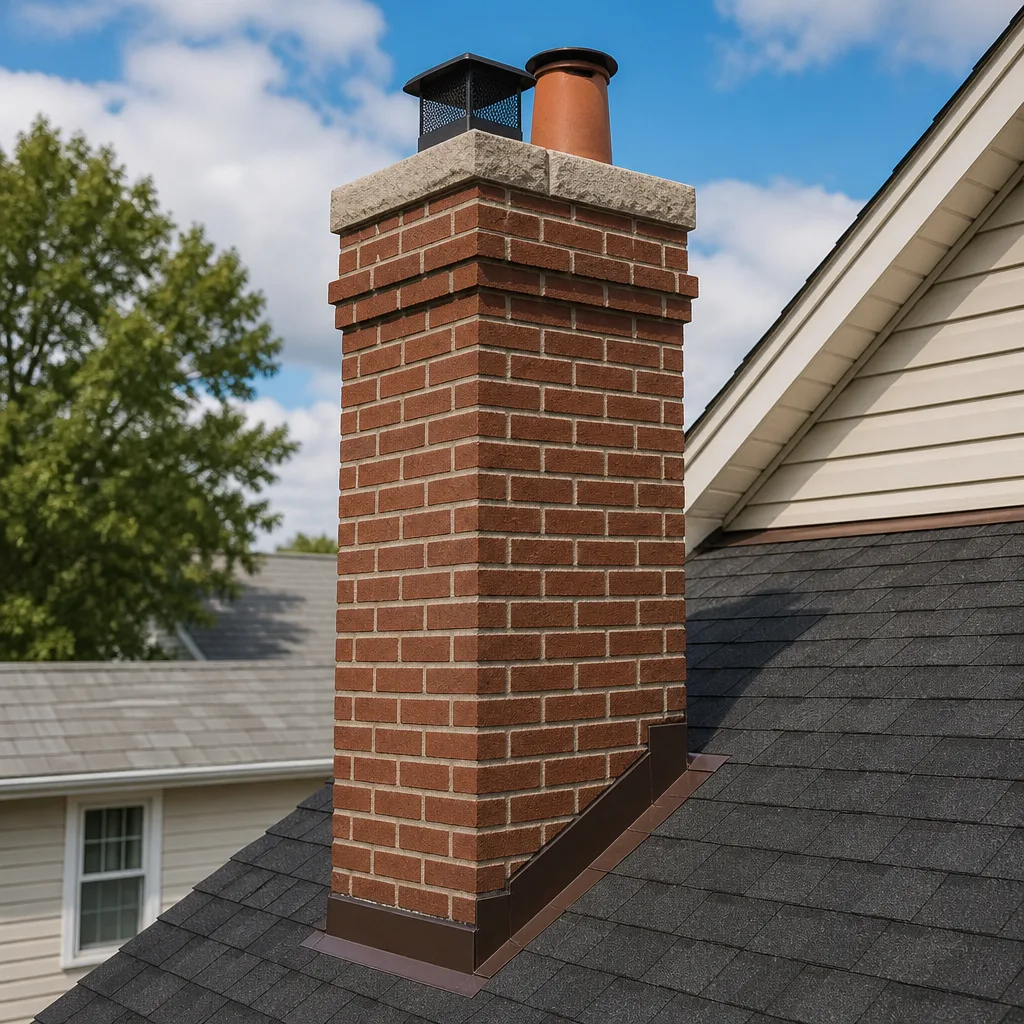 Masonry repair
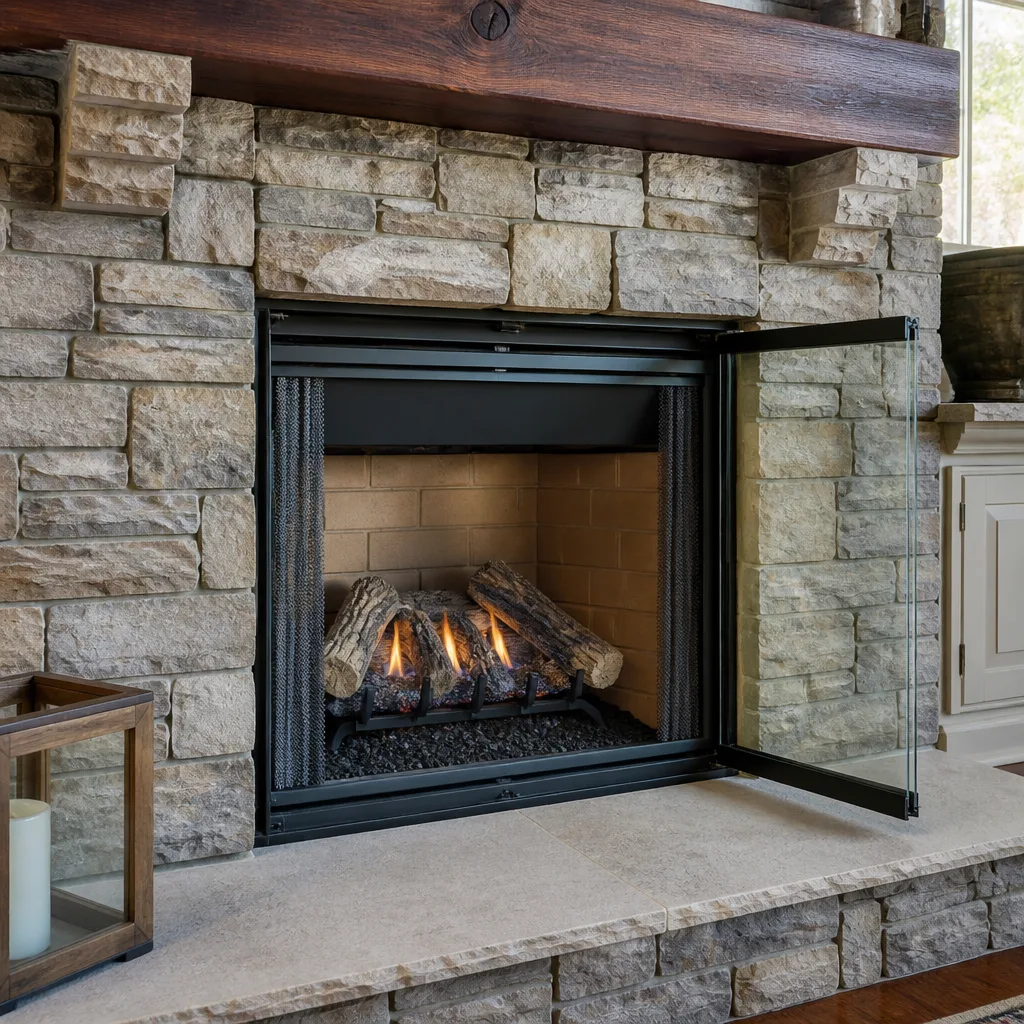 Gas fireplace service
Level 1 sweep and inspection to the NFPA 211 annual standard - flue, crown, cap, and flashing checked and photographed
Chimney sweep logs do not sweep chimneys. They loosen some creosote - which then falls where a brush and vacuum still have to collect it.
Choosing the Right Chimney Cleaning Brand: A Buyer’s Guide for Sunnyvale
Most homeowners think a chimney sweep is a chimney sweep. The van shows up, some brushes go up the flue, and that’s that. But the equipment and materials a contractor chooses tell you more about the quality of work you’ll receive than any coupon or flashy website. A sweep who can name the brush system they use, the gauge of liner they’d install, and the sealant they’d apply to your crown is a sweep who understands the trade. In Sunnyvale, where homes range from 1950s ranchers to newer builds with gas inserts, knowing the difference between professional-grade products and hardware-store substitutes gives you a way to evaluate contractors before they ever set foot on your roof.
Quick Answer
The “brand” that matters in chimney cleaning isn’t one big company name, it’s the product brands a contractor chooses for the job. Professional sweeps use rotary brush systems like SootEater or Gardus, liner products from manufacturers like DuraFlex or HeatShield, and masonry sealants like ChimneySaver rather than generic acrylic coatings. Before hiring a chimney sweep in Sunnyvale, ask your contractor to name the specific products they use. If they can’t, or if they say “whatever’s on the truck,” keep looking.
Styles & brands we work with
- Sweep & inspection
- Caps & crowns
- Flue relining
- Masonry repair
- Gas fireplace service
Table of Contents
- Professional Brush and Rod Brands: What Actually Matters
- Chimney Liner Brands and Why Gauge Specifications Matter in Sunnyvale
- Waterproofing and Crown Sealants: ChimneySaver vs. Generic Sealants
- Gas Appliance Venting Components: B-Vent and Termination Caps
- The Materials a Full-Service Provider Should Offer
- How to Ask a Contractor About Material Sourcing (Without Sounding Adversarial)
- Common Mistakes to Avoid
- When to Call a Professional
Professional Brush and Rod Brands: What Actually Matters
A chimney sweep is only as good as the contact between the brush and the flue wall. That contact depends on the brush’s construction, the rod system’s flexibility, and whether the sweep is using rotary or manual methods. The brands that professional sweeps in Sunnyvale tend to reach for are SootEater, Gardus, and Rutland. Each has a different design philosophy, and each suits different flue conditions.
SootEater systems use polymer whips attached to a flexible shaft that connects to a standard drill. The whips extend under rotation and conform to the flue’s actual shape, which matters a lot when you’re dealing with the variations found in older Sunnyvale chimneys. A rigid brush on bent rods can miss creosote deposits in corbelled or offset flues. The SootEater’s flexible design reaches into those irregularities. Gardus builds rotary systems with a similar principle but different materials in the whip head. Their products are common among sweeps who do high-volume residential work. Rutland, meanwhile, has been making traditional wire and poly brushes for generations. Their poly brushes are the standard for stainless steel liners, since steel bristles can scratch a liner’s interior surface and create a place for creosote to grab.
What distinguishes these from consumer-grade alternatives is the quality of the polymer, the durability of the rod couplings, and the consistency of the whip tension. A hardware-store brush with a wooden handle and stiff poly bristles might knock loose the first layer of soot, but it won’t handle third-degree creosote, and it won’t tell you anything about the flue’s true condition. When a sweep specifies the brush system they use, they’re telling you they’ve thought about the geometry of a chimney, not just the price of the job.
Chimney Liner Brands and Why Gauge Specifications Matter in Sunnyvale
Most chimney discussions in Sunnyvale eventually come around to liners. That’s because many houses here were built before stainless steel liners became standard, and the original clay tile flues have been absorbing heat and moisture for decades. When a liner needs to be replaced or installed, the brand and the gauge of the steel are the two specifications that determine how long the repair lasts.
DuraFlex is a flexible liner system that professional installers use when the flue has offsets, bends, or unusual geometry. The key word is “flexible.” A rigid liner can’t follow the path of a chimney that jogs halfway up. A DuraFlex system can, and that means a proper install in a flue that would otherwise require significant masonry work to accommodate a straight pipe. The gauge of the steel matters too. Thinner liners are cheaper but more prone to perforation and buckling during installation. Professional-grade flexible liners are specified to handle the temperatures produced by wood combustion, and they’re installed with proper insulating wraps when the flue clearances require it.
HeatShield is a different approach entirely. It’s not a liner you install, it’s a resurfacing system applied to damaged clay flue tiles. When a clay flue has cracks, spalling, or gaps between tiles, HeatShield can restore the surface without removing the original structure. A cerfractory material is applied to the flue walls and cured in place, creating a smooth, insulated surface that stands up to combustion temperatures. This matters in Sunnyvale because full liner replacement isn’t always necessary. A chimney with moderate tile damage can often be resurfaced for significantly less than a complete reline, and the original chimney structure stays intact. Not every chimney company offers this. It requires specialized training and application equipment, and it’s one of the services that separates a full-service chimney specialist from a sweeping-only company.
Waterproofing and Crown Sealants: ChimneySaver vs. Generic Sealants
The chimney crown is the concrete slab at the top of the chimney, and it’s the first line of defense against water intrusion. In Sunnyvale, where we get most of our rain between November and March and very little the rest of the year, water damage tends to happen slowly. Cracks in the crown let moisture seep into the brick and mortar below. Over time that moisture degrades the masonry, and since our dry summer months follow the wet winter, the damage can go unnoticed until it’s significant.
ChimneySaver is the product most professional sweeps specify for crown repair and waterproofing. It’s a vapor-permeable water repellent, which is a technical way of saying it keeps water out but lets moisture inside the masonry escape. That’s important. If you seal a chimney with a generic acrylic or silicone coating that traps moisture, you can accelerate the deterioration you were trying to prevent. Water that’s already in the brick expands and contracts with temperature changes, and trapped moisture can cause spalling and crumbling. Generic masonry sealants from a hardware store often create that vapor barrier. They seal completely, which sounds good until you understand the chemistry of a chimney system.
ChimneySaver’s composition is designed specifically for masonry chimneys. It’s a siloxane-based product that penetrates the substrate rather than sitting on the surface. The result is a crown and brick face that sheds water while remaining breathable. Longevity data for siloxane-based repellents consistently shows longer effective life than acrylic coatings in masonry applications. When we repair a crown in Sunnyvale, we use a professional-grade crown sealant and a ChimneySaver waterproofing treatment, not a bucket of elastomeric paint from a big-box store. The brand matters because the chemistry matters.
Gas Appliance Venting Components: B-Vent and Termination Caps
Sunnyvale has thousands of homes with gas fireplaces, gas inserts, and gas furnaces that vent through chimneys or dedicated venting systems. The components in those systems have brand names that most homeowners never see, but they matter for both performance and code compliance.
B-vent is the double-wall metal pipe used for natural gas and propane appliances. It’s called B-vent because the “B” designates a specific clearance rating and construction standard. The inner wall carries the exhaust, the outer wall provides insulation and clearance. Brands like Famco and Copperfield manufacture B-vent components to those standards. The reason brand matters here is consistency. A B-vent system is only as safe as each joint, each connection, and each termination point. Off-brand components can have inconsistent tolerances, which means joints that don’t seal properly, or components that don’t mate correctly with the appliance’s factory specifications.
Termination caps are another piece of the puzzle. The cap at the top of a gas vent system does more than keep rain out. It’s engineered to allow proper draft while preventing downdrafts, and it has specific clearance requirements in California code. A cap that’s too restrictive can cause exhaust to back up into the living space. A cap that’s too open can allow wind to disrupt the draft. Professional-grade caps from manufacturers like Famco and Copperfield are built to the dimensions and clearances specified by code. Hardware-store caps are often universal-fit, which means they fit nothing perfectly.
The Materials a Full-Service Provider Should Offer
When you’re evaluating a chimney company in Sunnyvale, look at the range of materials they work with. A company that only offers one product line for every situation is limited by their inventory, not by what your chimney actually needs.
In our work across Sunnyvale, we see three common scenarios that require different material solutions. First, a chimney with an offset flue that needs a flexible liner. DuraFlex handles that geometry. Second, a clay tile flue with moderate damage that doesn’t warrant a full reline. HeatShield resurfacing restores that flue without removing the original structure. Third, a crown that’s cracking and letting water behind the brick. Professional-grade crown sealant and ChimneySaver waterproofing solve that.
A full-service provider should be able to name the products they use and explain why they chose them for your specific chimney. We work with a curated set of brands: DuraFlex for flexible liner applications, HeatShield for flue resurfacing, Gelco and Olympia Chimney for caps and termination components, and Famco and Copperfield for venting system parts. These are the same materials specified by certified chimney engineers. They’re not anonymous off-brand substitutes, and they’re not hardware-store products repackaged as professional equipment. Professional-grade materials, not off-the-shelf substitutes.
If you’re looking for a chimney sweep in this area, ask about the materials they use before you ask about price. The answer will tell you more about the quality of work you’ll receive.
How to Ask a Contractor About Material Sourcing (Without Sounding Adversarial)
Most homeowners feel awkward asking technical questions. They don’t want to seem difficult, and they’re not sure they’ll understand the answer anyway. The trick is to ask simple, specific questions that any legitimate professional can answer easily. Here’s a step-by-step approach:
- Ask what brush system they use. Say, “What kind of brush do you use for a flue like mine?” A professional will say something like “a rotary system with poly whips” or “a SootEater on a variable-speed drill.” A non-professional will say “the standard one” or look confused.
- Ask about liner gauge. If your chimney needs a liner, ask, “What gauge of stainless do you specify?” There’s a correct answer based on the appliance and flue conditions. If they can’t tell you, they don’t know.
- Ask about waterproofing products. Say, “What do you use to seal a crown?” The answer should be a professional masonry product, not “silicone caulk” or “waterproof paint.”
- Ask the follow-up sentence. “Why that product for my chimney?” A good contractor will explain their reasoning in plain language. They’ll talk about flue geometry, appliance type, and the condition of your existing masonry.
These questions aren’t tests. They’re a way to see whether the contractor can explain their choices, and that’s the difference between someone who learned on your neighbor’s roof and someone who knows the trade. Inspect, explain, then repair – no pressure, no mystery.
Common Mistakes to Avoid
- Choosing a contractor by price alone. The cheapest bid is almost always using the cheapest materials. If the liner is thinner, the sealant is generic, and the brush is worn out, the “savings” disappear when the work doesn’t hold up.
- Hiring a contractor who can’t name their products. A sweep who can’t tell you what brush they use or what liner gauge they’d specify is signaling that they don’t think about materials at all. That’s a red flag for the quality of their work.
- Believing all stainless liners are the same. Steel grade, wall thickness, and the quality of the welds all vary dramatically. A liner that meets code is the floor, not the ceiling.
- Using a generic masonry sealant on a chimney crown. Non-breathable coatings trap moisture and accelerate masonry deterioration. The product you use has to be vapor-permeable, and that’s a specification, not a preference.
- Ignoring the dryer vent. Most Sunnyvale homes have gas dryers, and dryer vents are the most overlooked fire risk in a house. If you’re already having a Chimney Cleaning Sunnyvale appointment, ask about dryer vent cleaning in the same visit.
- Waiting until there’s a visible problem. By the time you see water stains on the ceiling or smell smoke in the living room, the damage is already advanced. A chimney inspection during the dry season in Sunnyvale catches issues before the winter rains expose them.
- Assuming gas chimneys don’t need cleaning. Gas appliances produce acidic condensation that degrades liners and mortar over time. A gas fireplace still deposits residue in the flue, and those deposits are corrosive.
When to Call a Professional
If you’ve noticed smoke backing into the room, soot accumulating on your mantel, a smell like a campfire that never fully fades, or you can’t remember the last time your chimney was swept, it’s time to bring in a professional. Other signals include white staining on the exterior brick, crumbling mortar joints, or a chimney cap that’s rusted through. If your gas dryer is taking longer than it used to, that’s a vent restriction issue, and it’s a fire risk. One call covers your chimney and your dryer vent. Chimney Cleaning Sunnyvale offers free estimates in Sunnyvale. Call (833) 593-7116.
See the difference
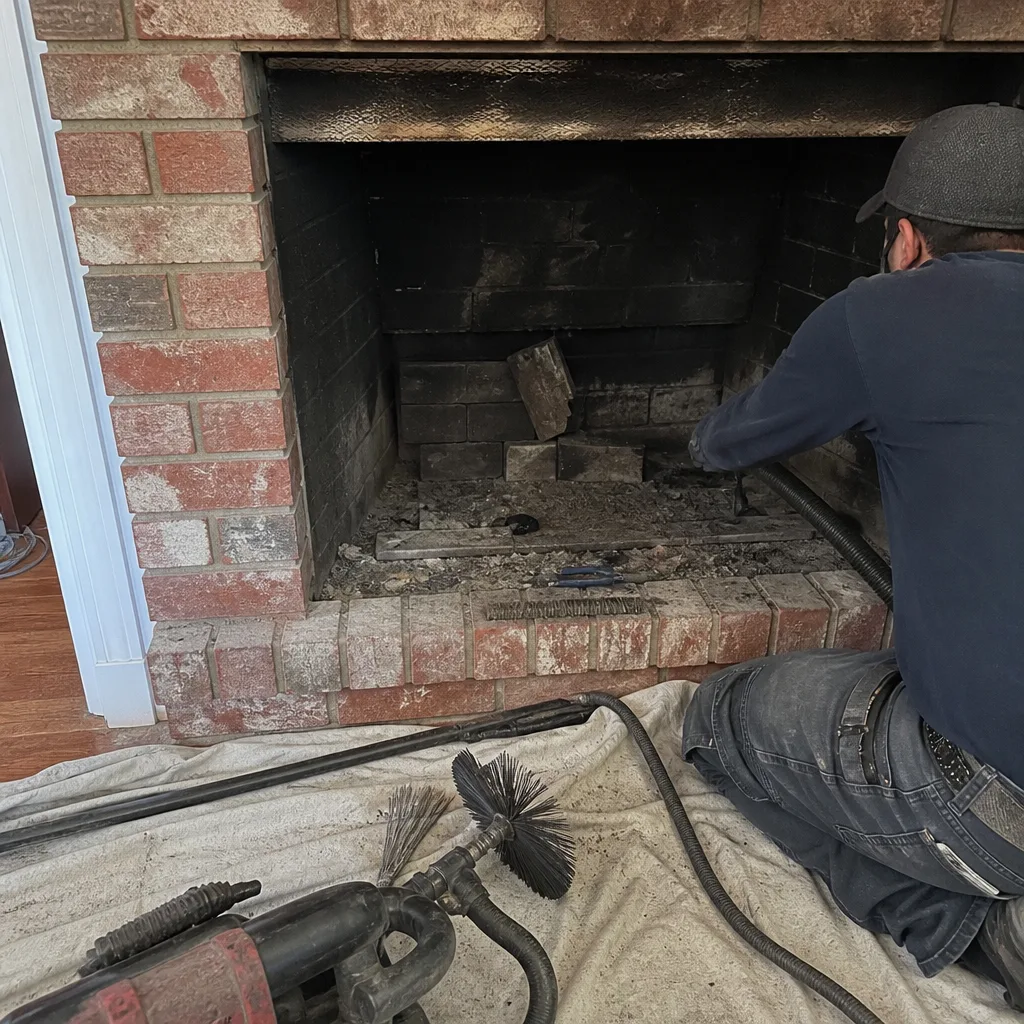
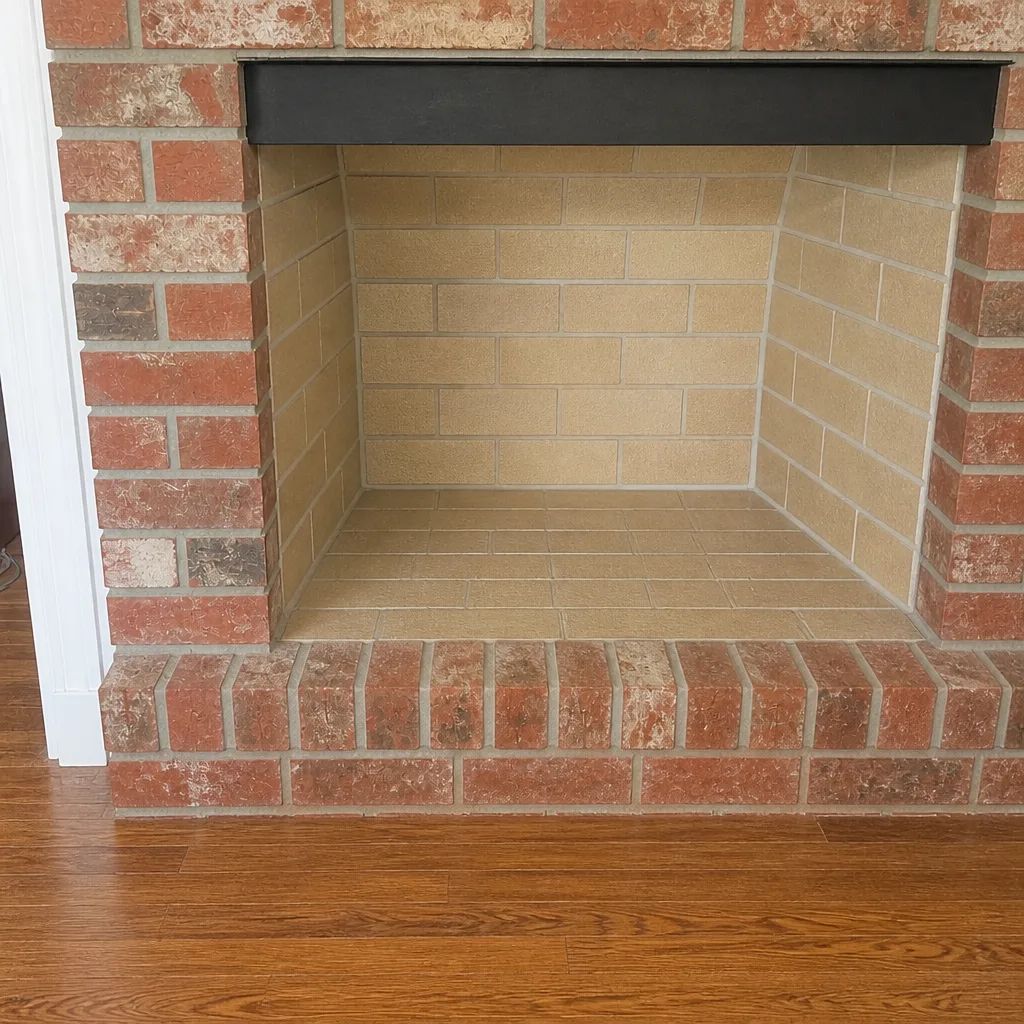
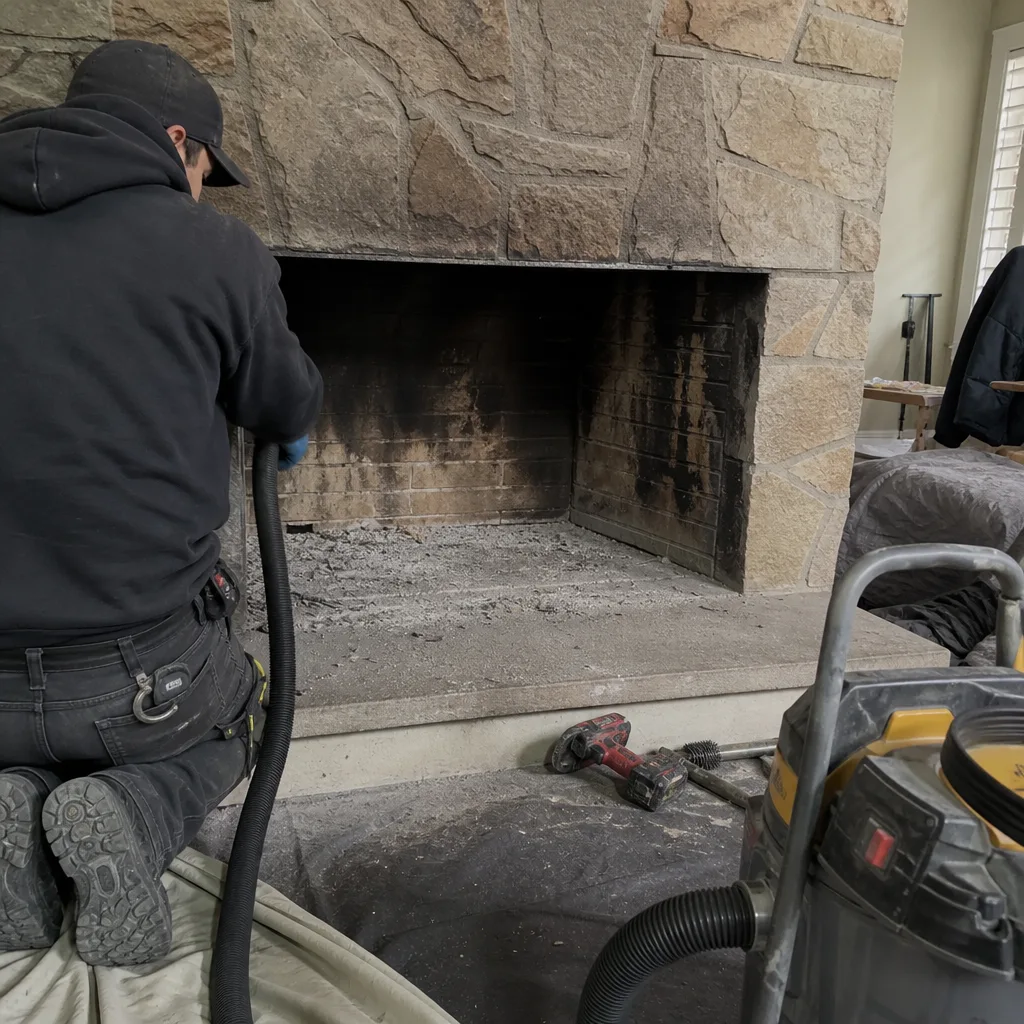 Before
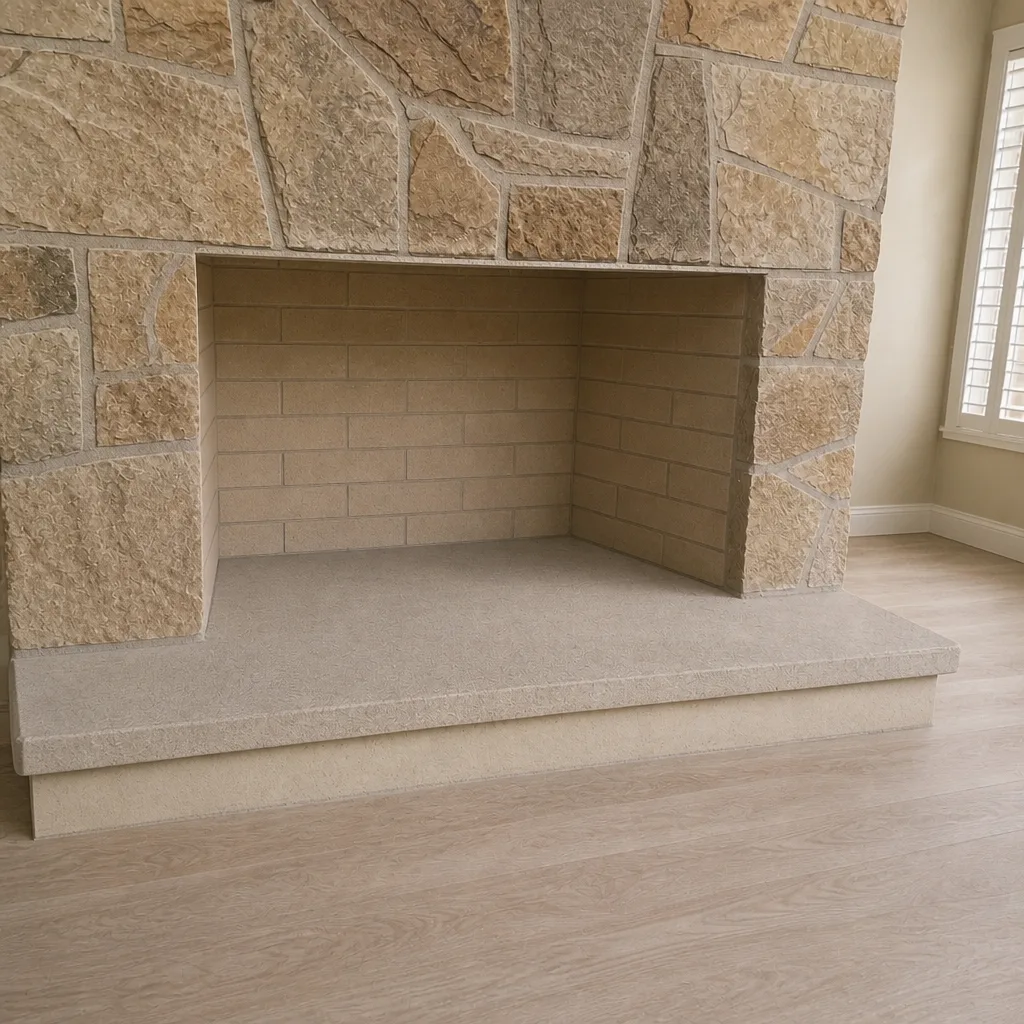 After
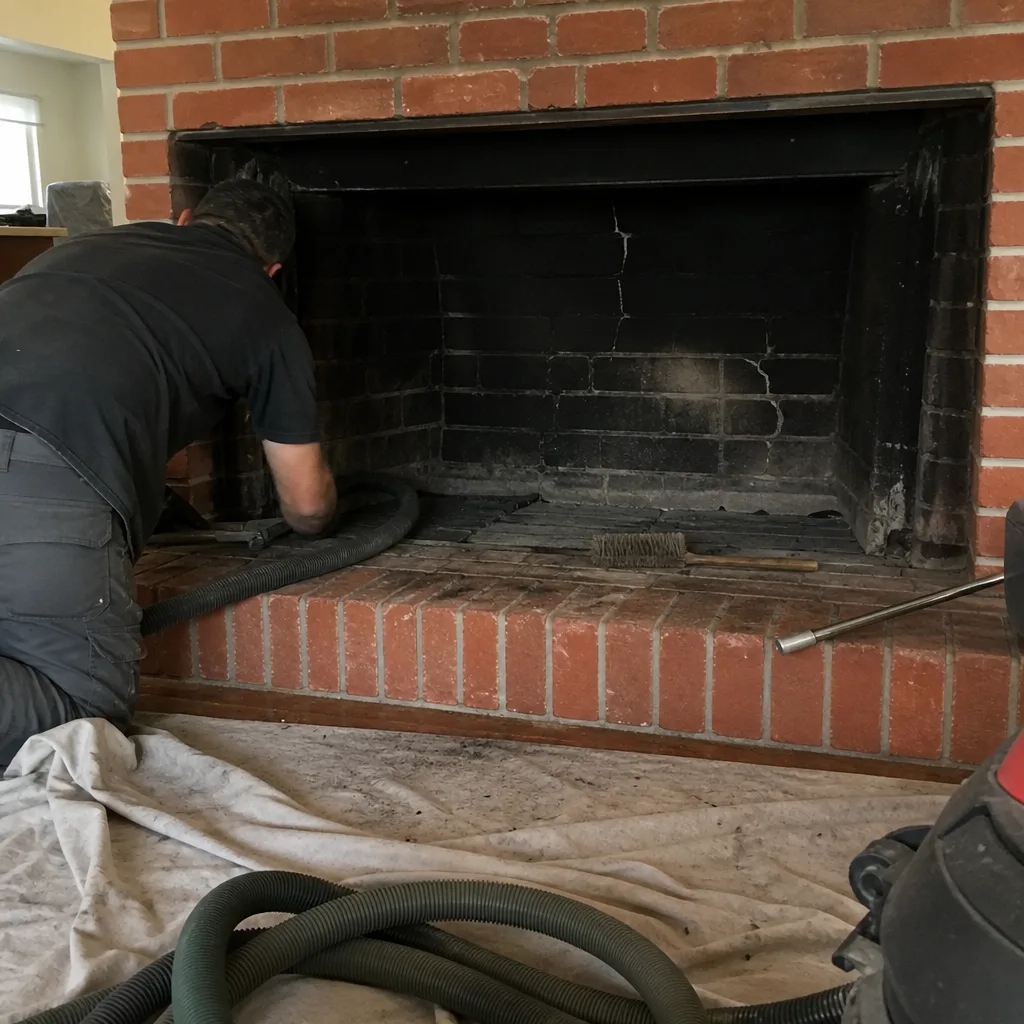 Before
 After
 Before
 After
Frequently Asked Questions
Professional sweeps typically use rotary brush systems from SootEater or Gardus, traditional poly brushes from Rutland, and liner products from manufacturers like DuraFlex and HeatShield. For masonry waterproofing, professionals specify ChimneySaver rather than generic acrylic sealants. The specific brand matters because each product is engineered for a particular flue condition or repair scenario. Call (833) 593-7116 and ask us about the materials we’d use for your chimney.
For wood-burning fireplaces in Sunnyvale, an annual sweep before the burning season is the standard recommendation. Gas fireplaces should be inspected annually and cleaned as needed, typically every two to three years depending on usage. Our climate doesn’t have the harsh freeze cycles that accelerate masonry damage elsewhere, but moisture from seasonal rains still degrades brick and mortar. Call (833) 593-7116 for an exact recommendation based on your usage and appliance type.
Yes. The brand matters because different manufacturers produce different grades of steel and different wall thicknesses. A professional-grade liner from a manufacturer like DuraFlex is made from stainless steel specified for the sustained temperatures of wood combustion, and it’s built to handle the flexing required for offset flues. Thinner, no-name liners cost less but perforate and buckle more easily during installation and use. We specify professional-grade liner systems for every chimney sweep job that requires relining.
HeatShield is a flue resurfacing product that restores damaged clay tile flues without removing them. It’s not necessarily better than a liner replacement, it’s a different solution for a different problem. When tiles are cracked or spalled but the flue structure is still sound, HeatShield can restore the surface with a fraction of the labor required for a full reline. When the damage is severe or the flue geometry requires a flexible liner, a DuraFlex installation is the right choice. HeatShield restoration when replacement isn’t necessary. Call (833) 593-7116 for an estimate.
Yes. Both services address the same underlying issue: removing flammable deposits from the venting systems that carry combustion byproducts out of your home. Fireplace flues accumulate creosote and soot. Dryer vents accumulate lint, which is the most common cause of residential dryer fires. If you’re already having your chimney cleaned, adding a dryer vent cleaning to the appointment is efficient and convenient. One call covers your chimney and your dryer vent. Call (833) 593-7116 and we’ll schedule both.
Look for a contractor who can name the products they use, explain why they chose them, and provide a written estimate that details the work. A full-service provider should offer chimney sweeping, chimney repair, and dryer vent cleaning without referring you to separate contractors. Check that they’re licensed and insured, and ask about the specific materials they’d use for your chimney’s condition. Chimney Cleaning Sunnyvale offers free estimates in Sunnyvale. Call (833) 593-7116.
The Bottom Line
What separates a good chimney cleaning from a mediocre one isn’t visible in a photo or a price quote. It’s in the materials the contractor reaches for when no one’s watching. Professional brush systems that conform to your flue’s shape, liner products specified for your appliance and chimney geometry, waterproof sealants that keep water out while letting the masonry breathe, and venting components built to code. In Sunnyvale, where the winters are mild but the seasonal rains still find their way into cracked crowns and loose mortar, the products your chimney professional chooses determine whether the work lasts or just looks good on inspection day. Ask the questions. Expect real answers. Your chimney will show the difference.
Written by the team at Chimney Cleaning Sunnyvale, serving Sunnyvale since 2014.