
Last updated November 4, 2026
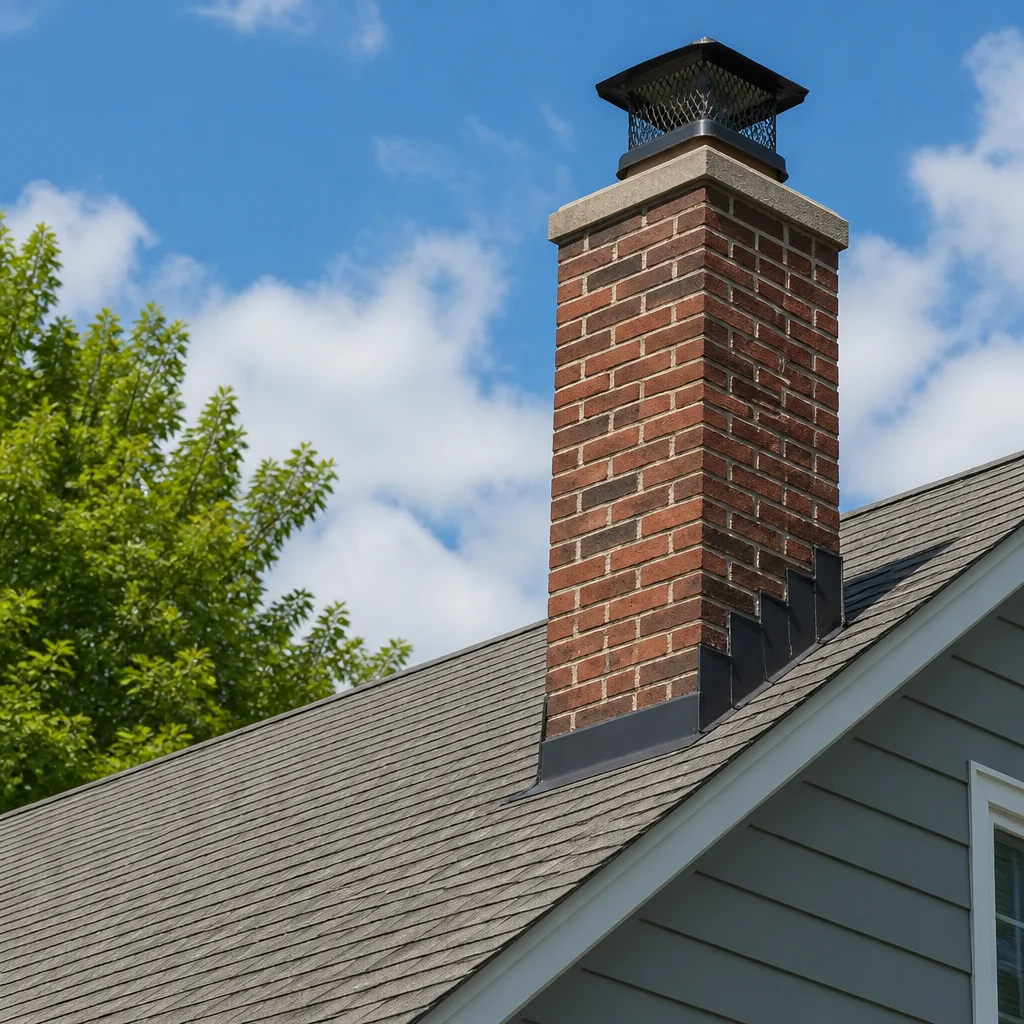 Sweep & inspection
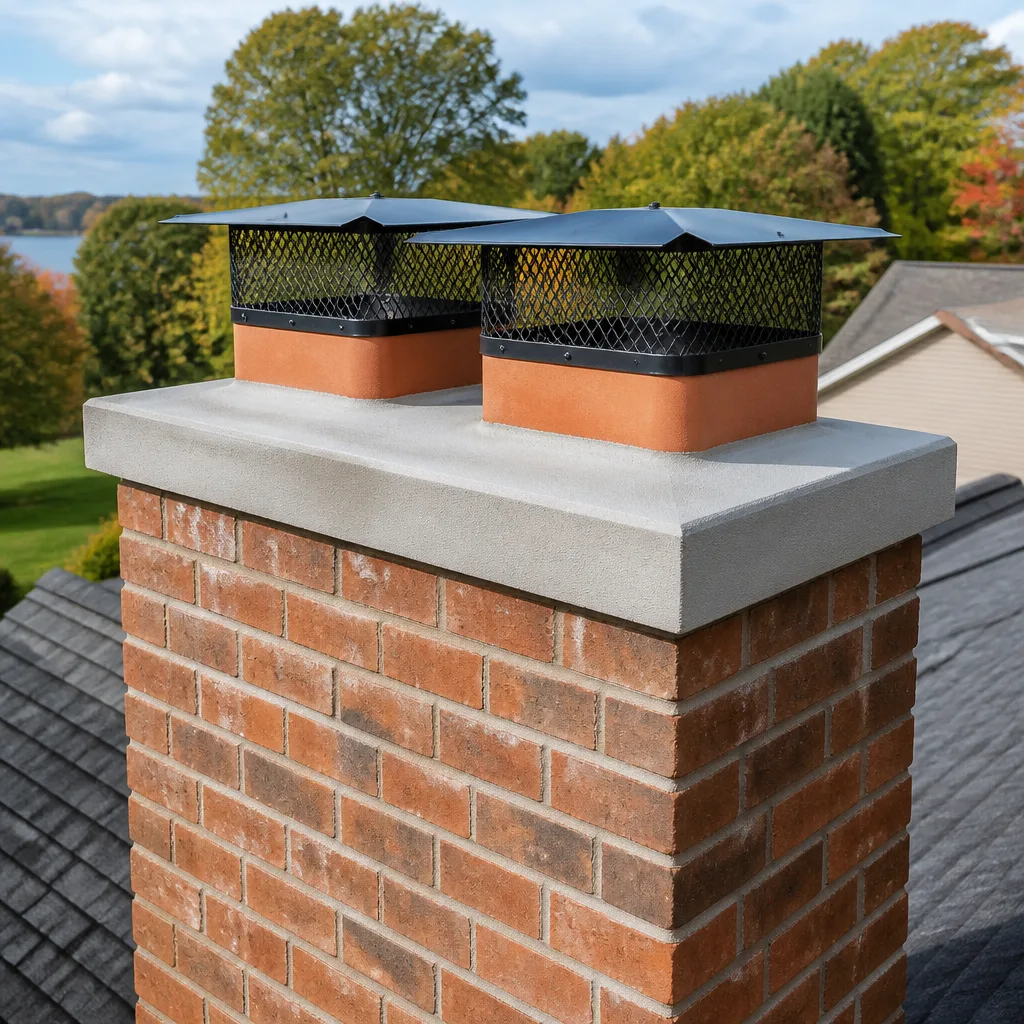 Caps & crowns
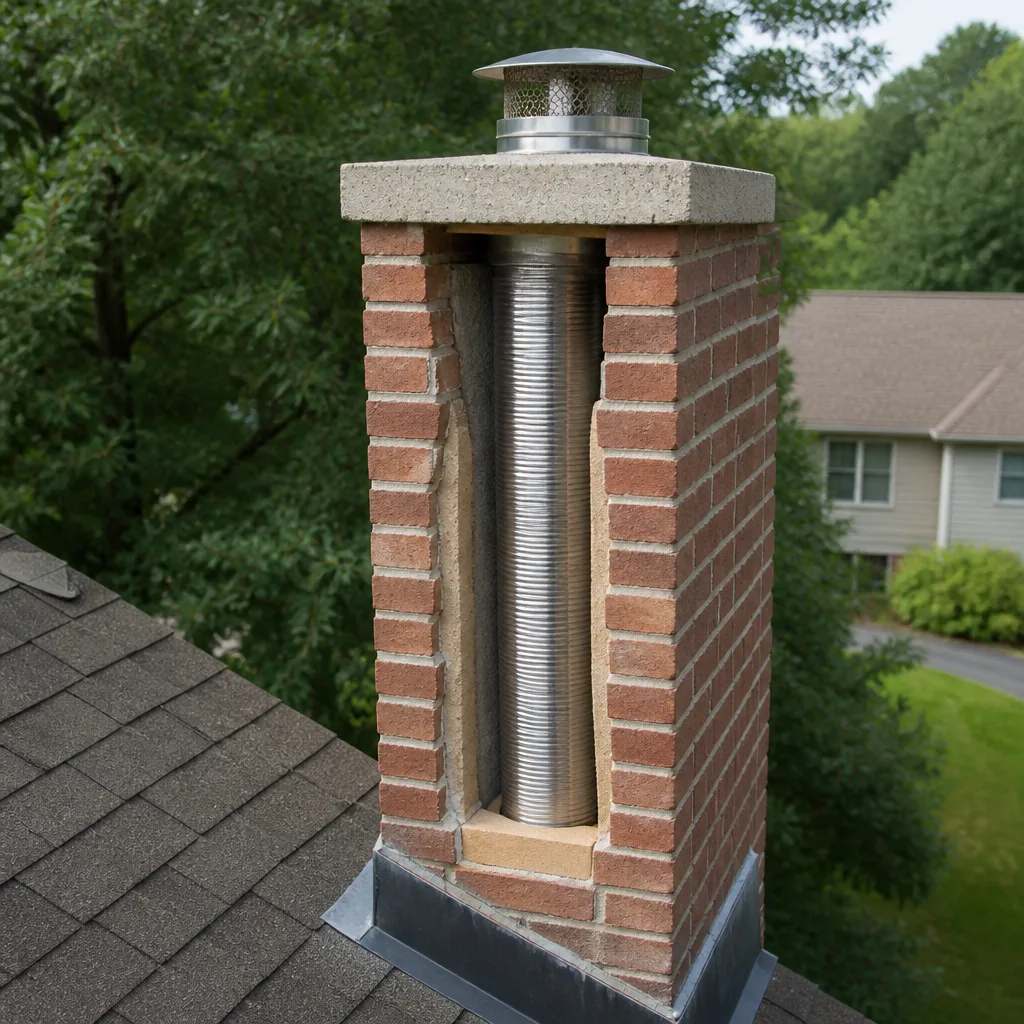 Flue relining
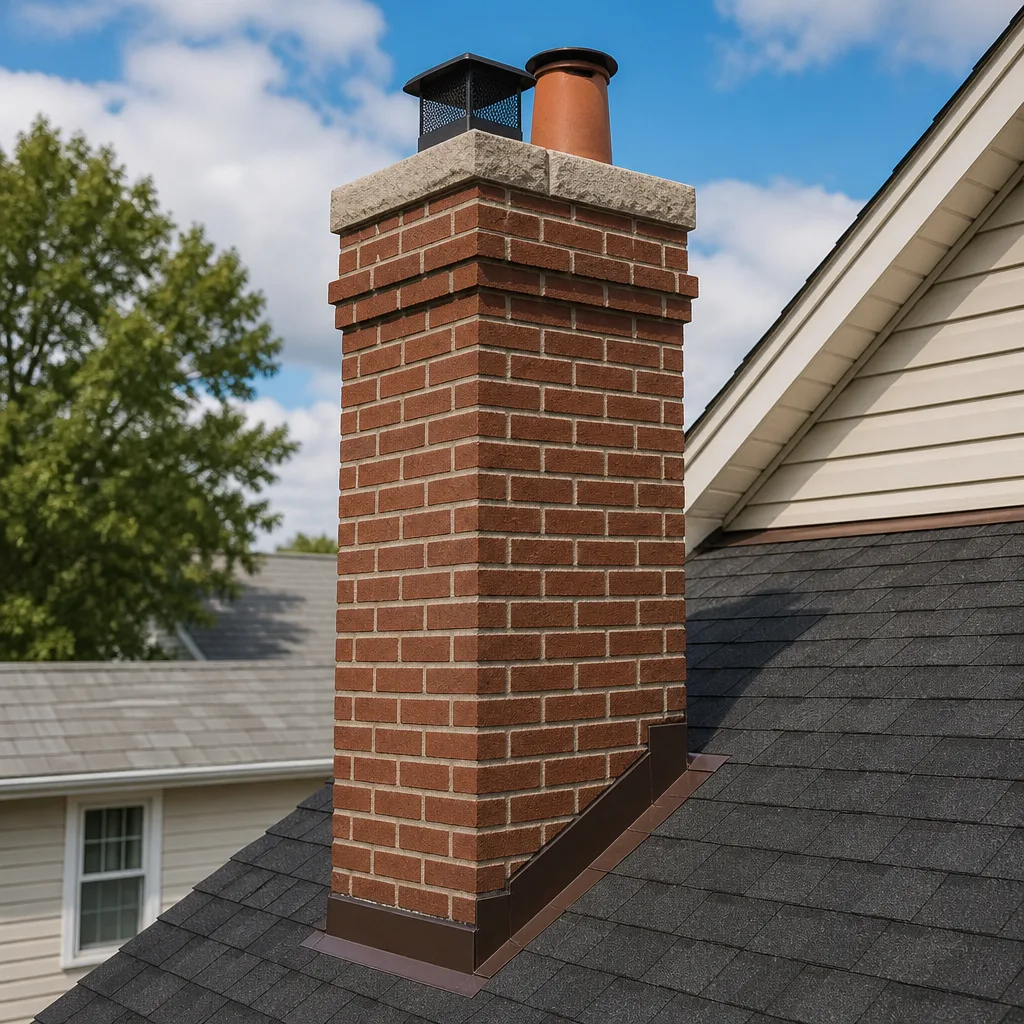 Masonry repair
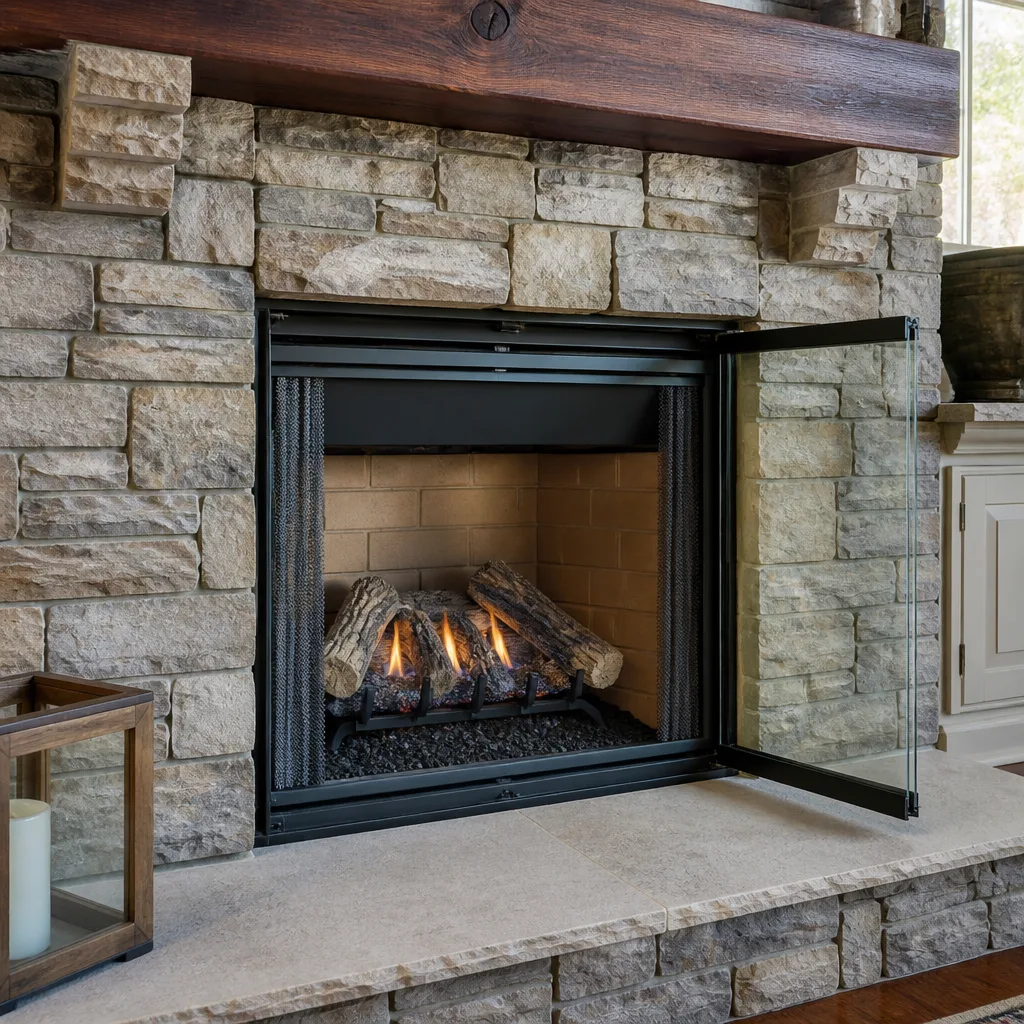 Gas fireplace service
Level 1 sweep and inspection to the NFPA 211 annual standard - flue, crown, cap, and flashing checked and photographed
Chimney sweep logs do not sweep chimneys. They loosen some creosote - which then falls where a brush and vacuum still have to collect it.
How to Hire a Chimney Cleaning Contractor in Sunnyvale: A Step-by-Step Guide
Most homeowners assume a chimney cleaning is a chimney cleaning. The reality in Sunnyvale is more complicated. A low-price coupon sweep often skips the camera inspection, uses undersized brushes, and leaves creosote packed in the smoke shelf where it matters most. The economics of a $49 special do not allow for the equipment, training, or time that a legitimate cleaning requires. This guide walks through the exact vetting process we recommend, what credentials actually mean, the red flags in quotes and reports, and the questions that reveal whether a contractor knows flues or just knows how to sell liners.
Quick Answer
To hire a chimney cleaning contractor in Sunnyvale, verify CSIA certification and a California CSLB license, ask for a written inspection report with camera documentation, request a line-item quote with a specific scope of work, and confirm the contractor uses professional-grade brushes, dual-rod systems, and HEPA-filtered vacuums. A legitimate cleaning includes a full flue inspection, not just a brush pass.
Styles & brands we work with
- Sweep & inspection
- Caps & crowns
- Flue relining
- Masonry repair
- Gas fireplace service
Table of Contents
- Why Credentials Matter More Than Price
- CSLB License Classes: Cleaning vs. Repair
- How to Verify CSIA Certification
- Questions About Equipment That Reveal Experience
- How to Read a Chimney Inspection Report
- Red Flags in Quotes and Sales Tactics
- The 7-Step Vetting Checklist
- Sunnyvale-Specific Considerations
Why Credentials Matter More Than Price
The chimney cleaning industry in Sunnyvale includes trained specialists and also a fair number of unlicensed operators who bought a brush and a business card. The difference rarely shows up in an online listing. It shows up in whether the flue gets properly inspected, whether the smoke chamber gets cleaned at all, and whether the person on your roof knows what a compromised flue tile looks like.
CSIA certification is the baseline. It means the technician passed an exam on chimney codes, clearances, construction, and inspection methods, and that they commit to continuing education. The credential is held by individuals, not companies, which is an important distinction. A company can advertise certified work while sending an uncertified employee to your home. Ask for the name of the certified technician who will be on your roof and verify it through the CSIA search portal.
But certification is the floor, not the ceiling. A certified sweep who uses the wrong brush for a clay-tile flue can still score tiles. A certified sweep who does not run a camera through the flue is still guessing about what is above the damper. In our experience, the contractors worth hiring in Sunnyvale combine certification with a documented inspection process and a written report that includes images or video. That combination is what separates a real cleaning from a brushed-up sales call.
The South Bay market has plenty of coupon operations running seasonal specials. The math is simple. A proper cleaning takes one to two hours, requires a dual-rod rotary system for actual creosote removal, HEPA vacuum to keep dust out of the living room, drop cloths and shoe covers, and a camera inspection afterward to document the result. At $49, none of that happens. The crew makes money on the upsell, not the sweep. Hiring based on that price often means paying twice: once for the strip-mining sweep and again for the real one.
CSLB License Classes: Cleaning vs. Repair
California regulates chimney work through the Contractor State License Board, but the rules split depending on what the contractor actually does. Knowing the difference protects you from hiring the wrong credential for the job at hand.
A basic chimney cleaning, which is defined as removing soot and creosote from an existing flue without altering structure, does not require a CSLB contractor license in the same way that repair work does. Many reputable cleaning-only businesses in Sunnyvale operate without a contractor license because the scope of work never crosses into construction or modification. That is legally permissible and not by itself a red flag.
The moment the work becomes repair, the picture changes. Replacing a flue liner, rebuilding a crown, tuckpointing masonry, installing a chimney cap with structural attachment, or repairing a firebox all fall under CSLB license classes. The relevant classifications are:
- C-61 / D-42 (Sanitation System) – Covers cleaning and servicing of chimneys, flues, and vents. A C-61 specialty license with the D-42 sub-classification is the one most often held by dedicated chimney service companies that perform repair alongside cleaning.
- C-29 (Masonry) – Applies to masonry reconstruction, firebox rebuilding, crown work, and structural brick or stone repair. Some chimney companies hold this class in addition to the D-42 or subcontract masonry to a C-29 holder.
- C-36 (Plumbing) – Occasionally relevant where gas venting intersects with appliance connectors, but not the primary class for fireplace flues.
The practical takeaway for a Sunnyvale homeowner: if the quote is for a sweep and an inspection, verify certification. If the quote includes liner repair, crown replacement, or masonry work, verify the CSLB license number on the state portal and confirm it matches the name on the quote. A company that deflects on license questions for repair work should be crossed off the list.
Ask the question directly: “Which CSLB class covers this repair?” A legitimate operation answers without hesitation because they know the class number the way a mechanic knows socket sizes. Vague answers mean vague work.
How to Verify CSIA Certification
The Chimney Safety Institute of America maintains a searchable directory of certified sweeps on its website. The verification process takes less than five minutes and should be done on every contractor you consider, not just the one you plan to hire.
- Get the name. Ask which technician will perform the work, first and last name, not just “one of our certified guys.”
- Search the CSIA directory. Enter the name on the CSIA website. Confirm the certification is active and the location matches.
- Verify at the door. When the technician arrives, ask to see the physical certification card or a digital credential. Cross-check the name with the one you verified.
- Check for additional certifications. Some technicians also hold National Fireplace Institute certification for gas appliance work, which matters if your Sunnyvale home has a gas insert or log set.
- Ask about continuing education. CSIA certification requires ongoing credits. A technician who can tell you what the current code cycle requires for clearances is one who stays current.
The verification step catches a common problem: companies that advertise certification but send uncertified employees to most jobs. It also catches lapsed credentials. A certificate earned ten years ago and never renewed is not a certification, it is a memory. In Sunnyvale, where many homes date from the 1950s and 1960s building boom, the flue conditions are varied enough that a current, active credential genuinely matters.
Questions About Equipment That Reveal Experience
You can learn more about a chimney contractor from two questions about equipment than from an entire page of marketing copy. The tools reveal the level of work.
Ask what kind of brushes they carry. A flat wire brush works fine for a light dusting but does not remove the glaze-like third-stage creosote that builds in a well-used fireplace. A rotary brush system, sometimes called a whip system, spins against the flue walls and removes significantly more buildup. Plastic or poly brushes are correct for certain stainless steel liners, while wire brushes can scratch them. A contractor who answers with one brush type for every flue is telling you they carry one brush.
Ask how they keep dust out of the house. The answer should include a HEPA-filtered vacuum, preferably a dual-motor unit, and drop cloths laid from the entry to the fireplace. A contractor who plans to sweep without a vacuum running is planning to leave soot on your furniture. A contractor who mentions an “attic vent” or “negative air setup” in passing is signaling higher-level training.
Ask about the rods. Modern chimney sweeping uses flexible or interlocking rods that can be worked from inside the house, avoiding roof traffic where possible. Some older operations still do everything from the roof, which is acceptable but means more roof wear and less control over dust. Neither method is wrong, but the contractor should explain why they prefer their approach for your specific flue.
Ask about cameras. The single biggest tell of a legitimate operation is a chimney camera. A proper cleaning in Sunnyvale should end with a video or photo record of the entire flue, from smoke chamber to crown. Without camera documentation, the inspection portion of the job did not happen. Ask in the discovery call: “Does your cleaning include camera inspection, and do I get the images?” A yes, with the images included, is the answer you want. A hesitation, or any variation of “we look with a flashlight,” is your cue to keep calling.
How to Read a Chimney Inspection Report
A legitimate chimney inspection produces a written report. A weak operation produces a receipt and a verbal summary. Here is what a real report should contain and how to read the important parts.
Scope and condition summary. The report should state what was inspected: flue, smoke chamber, damper, firebox, crown, cap, and exterior masonry. Each component should have a condition notation. Look for specific language like “spalling bricks at the smoke shelf” or “hairline crack in clay tile at the 12-foot mark,” not “flue looks okay.”
Photos or video timestamps. The best reports in Sunnyvale come with an actual chimney sweep that includes camera documentation timestamped to the inspection. Images should show the flue from top to bottom, the smoke chamber, and any areas of concern. A report with no images is a report you cannot verify.
Repair recommendations with priority levels. Not every finding is urgent. A competent report separates what needs attention this season, what can wait a year, and what is simply an observation. Be wary of any report where every single item is urgent. That is a sales document, not an inspection.
Lining and material specifications. If the report recommends a liner, it should specify the liner material, diameter, and the reason for the recommendation. Professional-grade materials like DuraFlex flexible liner systems are specified when a flue has offsets or unusual geometry that a rigid liner cannot follow. A vague “you need a new liner” with no specification is a red flag.
The report is your documentation. It protects you from unnecessary repair pitches and gives you a baseline for the next inspection. A contractor who will not put findings in writing is a contractor whose findings will not hold up to scrutiny. Ask for the report before the technician leaves. If the answer is “we’ll email it later this week,” follow up. If it never arrives, you have your answer about the operation.
Red Flags in Quotes and Sales Tactics
Most homeowners in Sunnyvale get two or three quotes before hiring. The differences between a straightforward estimate and a pressure pitch are visible if you know where to look.
- Vague scope language. A quote that says “chimney cleaning and inspection” with no detail on what the inspection covers, what equipment is used, or what the cleaning includes is too thin. The written estimate should itemize the work: brush sweep, smoke chamber cleaning, damper inspection, camera documentation, and any additional findings.
- No written report offered. Any contractor who will not commit to a written inspection report before starting should be eliminated. The report is not an add-on. It is part of the job.
- Same-day pressure. The phrase “if you sign today, I can take 15 percent off” is a sales technique designed to skip the comparison-shopping step. Legitimate chimney work does not require same-day commitment. The flue will wait a week. A contractor who wants to rush you is a contractor who does not want you to get another quote.
- Upsell before inspection. High-pressure liner pitches that arrive before the technician has actually seen the flue are a well-known pattern. The pitch often lands after a sweep when the homeowner is told, face-to-face, that the flue is dangerous and needs immediate work. A legitimate company documents the finding with camera images and gives you time to think.
- Cash-only or discount-for-cash offers. While some small operators work this way legitimately, the practice removes the paper trail that a written estimate and payment record provide. A licensed, certified operation should have no problem taking a check or card.
A pattern worth noting: the lowest bid in a three-quote spread is often the one that “finds” the most problems during the visit. The economics work because the cleaning is the loss leader and the repair pitch is the revenue. The quote is not where you save money on chimney work. The inspection report is where you save money, by making sure you only pay for work that actually needs doing.
The 7-Step Vetting Checklist
Use this sequence when evaluating chimney cleaning contractors in Sunnyvale. It works as a phone checklist or an email questionnaire. A contractor who answers all seven cleanly is worth the quote.
- Confirm the technician’s name and CSIA certification status. Verify through the CSIA directory before the visit.
- Confirm CSLB licensing for any anticipated repair scope. Ask for the license number if liner work, crown work, or masonry repair is likely.
- Ask what brush type they use and why. The answer should reference your flue type: clay tile, stainless liner, or masonry.
- Ask about vacuum equipment and dust containment. Expect a HEPA vacuum and drop cloths as the minimum.
- Ask if the cleaning includes camera inspection and whether you receive the images. The correct answer is yes to both.
- Request a written inspection report before work starts. Not after, not eventually. Before.
- Get a line-item written estimate. The estimate should separate the cleaning from any recommended repair work, with each repair item separately priced.
This checklist takes ten minutes on the phone and removes most of the risk from the hiring decision. A contractor who answers all seven without hesitation is doing the job correctly. A contractor who stumbles on the brush question or evades the camera question is revealing something the marketing copy will not tell you.
One more point worth stating plainly. The best chimney companies in the South Bay do not build their business on seasonal coupons. They build it on homeowners who get a thorough cleaning, a documented inspection, and an honest recommendation about what does and does not need work. That model costs more per visit and saves far more over time. The flue is a fire boundary inside your house. It is not the place to optimize for the lowest possible bid.
Sunnyvale-Specific Considerations
Sunnyvale homes bring particular chimney conditions that affect how the work goes. This is not generic advice applied to a city name. It is what years of working in Sunnyvale housing stock actually reveal.
Many homes in the city were built during the 1950s and 1960s suburban expansion, which means clay tile flues that are sixty to seventy years old. Clay tiles crack with age and with the heating cycles that even mild winters produce when a fireplace is used regularly. A crack in a clay tile is not an emergency in every case, but it is a finding that should be photographed and noted in the report. The older the home, the more likely the flue has seen enough fires to warrant close camera work.
The Mediterranean climate here means fireplaces are used seasonally rather than continuously. That creates a specific creosote pattern: buildup forms during the winter burning season and then sits for months. Soot and creosote that sit through a warm, dry summer can harden. The first cleaning of the season in an older Sunnyvale home often requires more than a light brush pass. A rotary system with poly or wire brushes appropriate to the flue makes a measurable difference.
The local housing stock also includes a significant number of Eichler and Eichler-influenced homes, which often have unusual fireplace configurations or low-profile chimney structures. These designs sometimes require specific rod angles and flexible brush systems to reach the full flue length without excessive roof access. A contractor who works regularly in the South Bay knows the difference between a standard masonry chimney in the Birdland neighborhood and a low-slung mid-century setup near Cherry Chase. Ask if they have experience with your home’s specific architecture.
One appointment note that matters in this market: many Sunnyvale households run a gas dryer inside the home, and dryer vents are the most overlooked fire-risk venting system in a house. The same contractor who cleans your fireplace flue can typically handle the dryer vent cleaning at the same visit, which means addressing both venting systems in one trip. This matters less for savings than for completeness: if you are already having a trained technician inspect one fire-risk system, having them look at the other is the efficient move.
Common Mistakes to Avoid
- Hiring on price alone. A $49 sweep in Sunnyvale is not a cheaper version of the same service. It is a different, thinner service designed to generate a repair pitch. Paying for two sweeps costs more than paying for one proper one.
- Skipping the CSIA verification. The directory check takes minutes. Hiring without it means trusting a claim that is easy to make and hard to verify after the fact.
- Accepting a verbal inspection. Without a written report and camera images, you have no record and no way to compare findings year over year. The baseline is worthless.
- Confusing cleaning with inspection. A sweep removes creosote. An inspection evaluates the flue. They are done together by a competent contractor, but they are not the same task. Ask for both explicitly.
- Ignoring the smoke chamber. Many discount sweeps stop at the flue and never clean the smoke chamber, which is where creosote accumulates in high volume and where chimney fires often start. Confirm the chamber is included in the scope.
- Overlooking dryer vents. A contractor who offers Chimney Cleaning Sunnyvale combined with dryer vent service saves you an extra appointment and a second contractor vetting process.
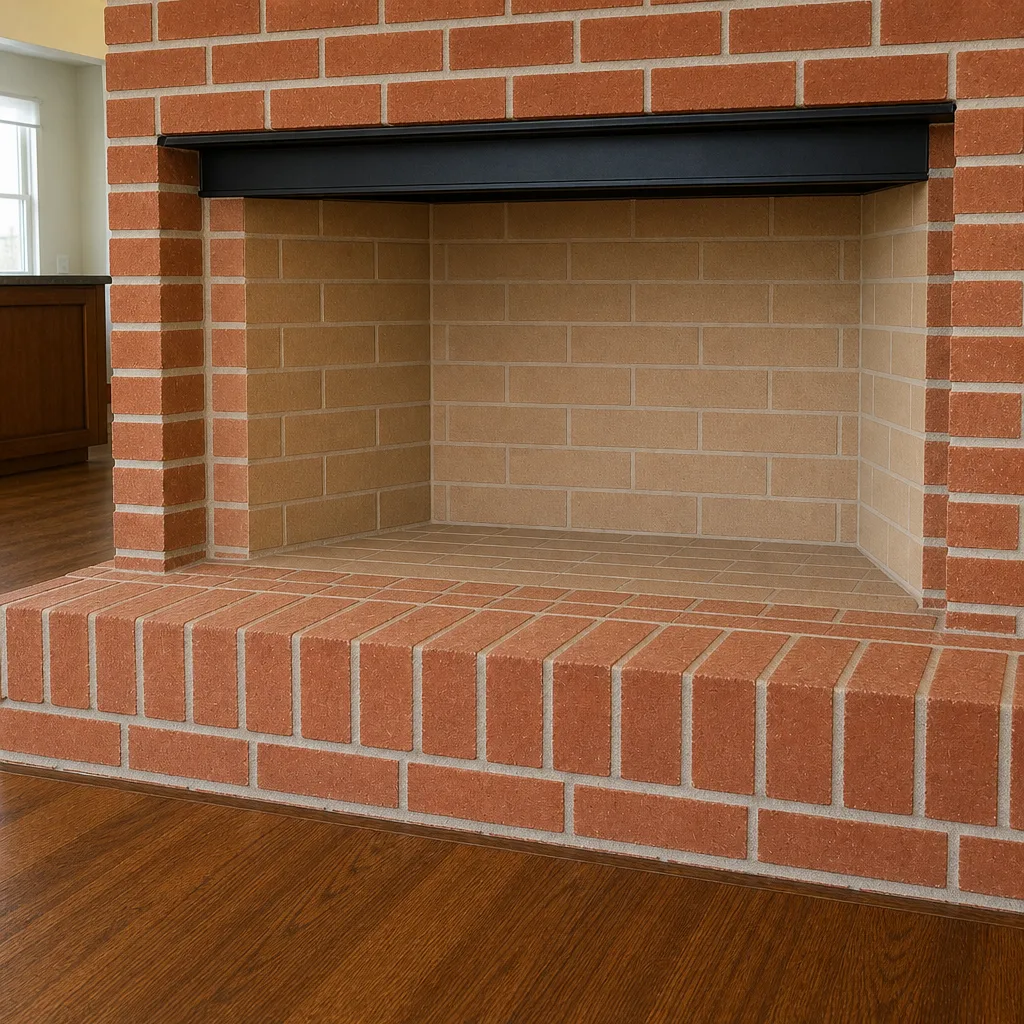
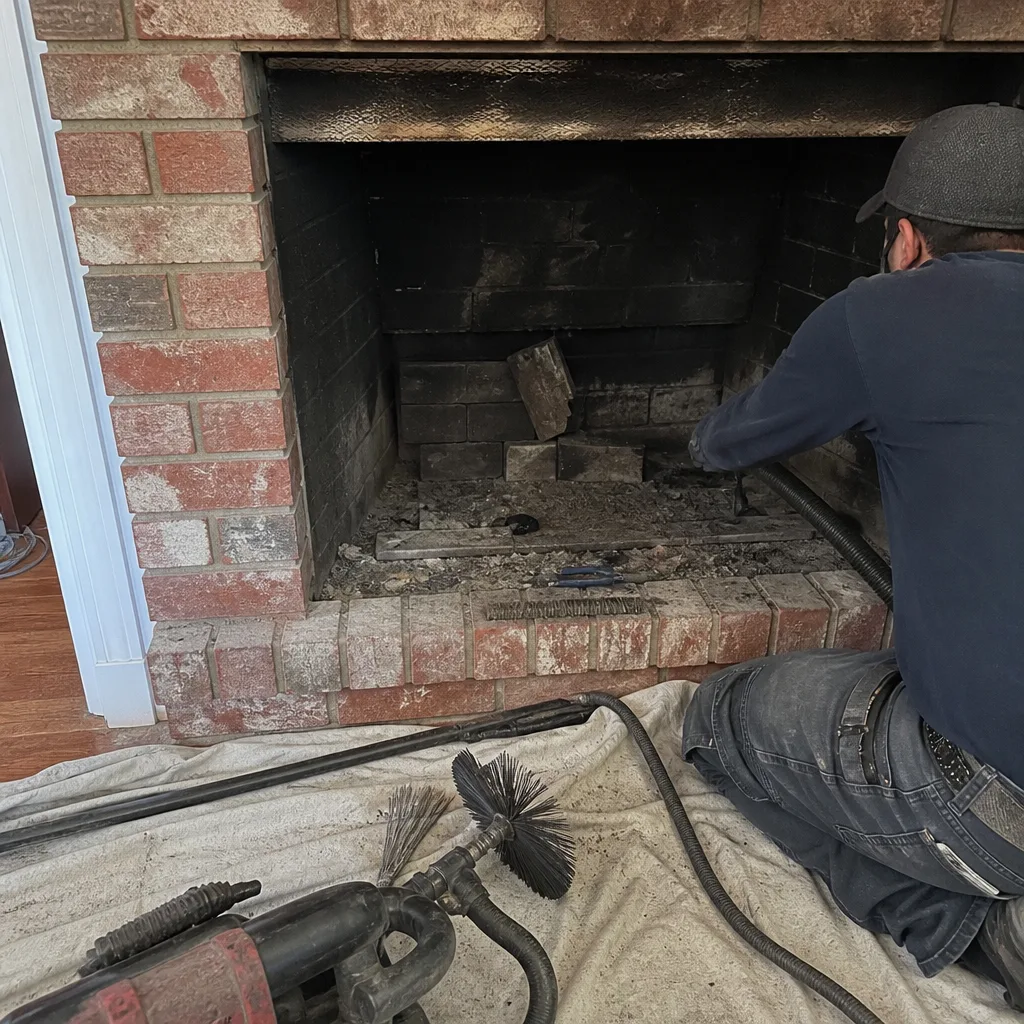
See the difference
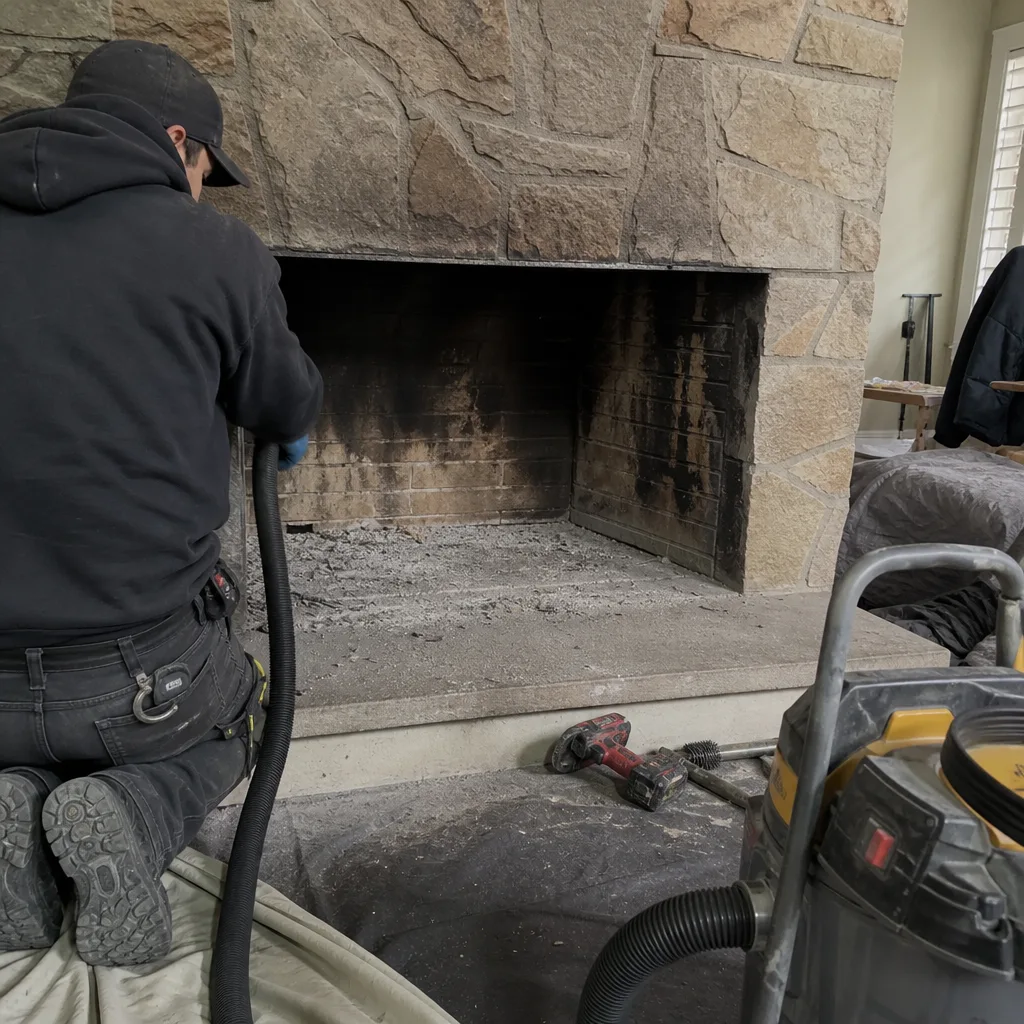 Before
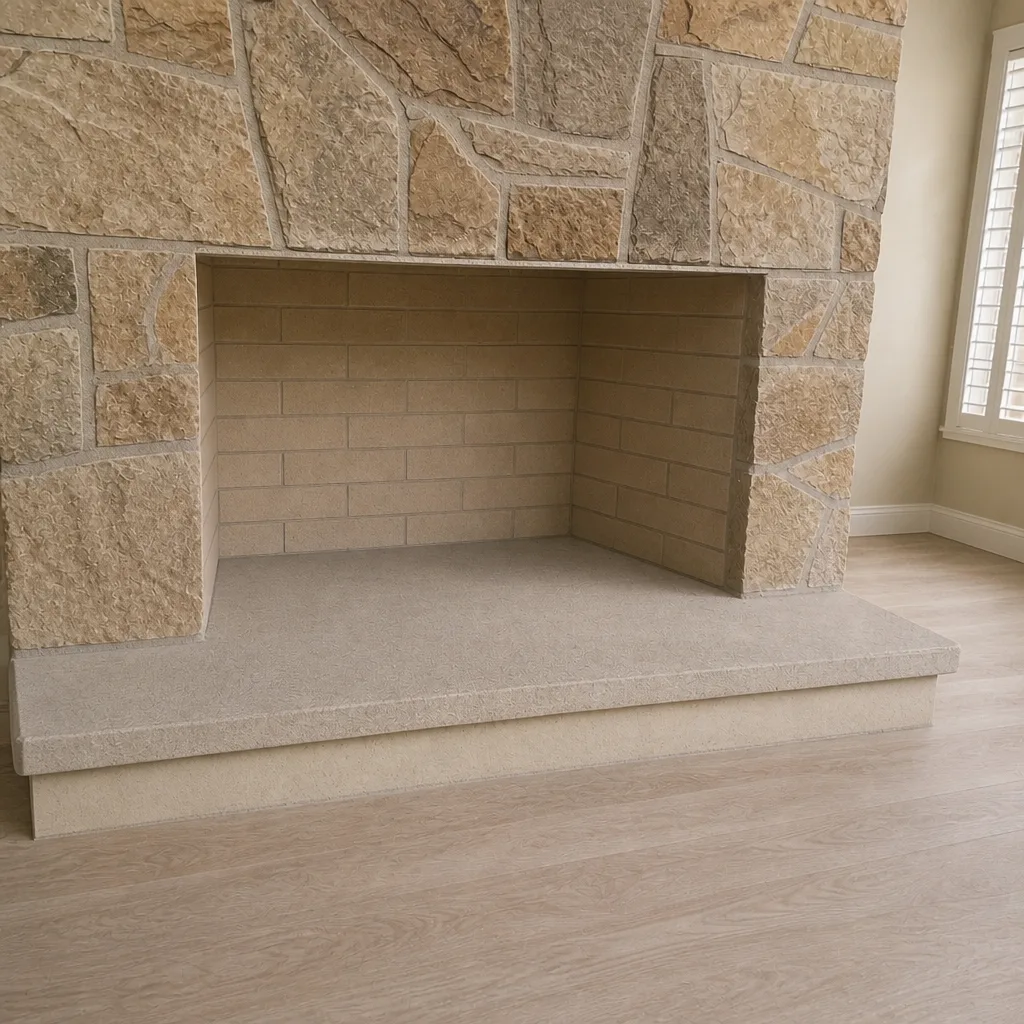 After
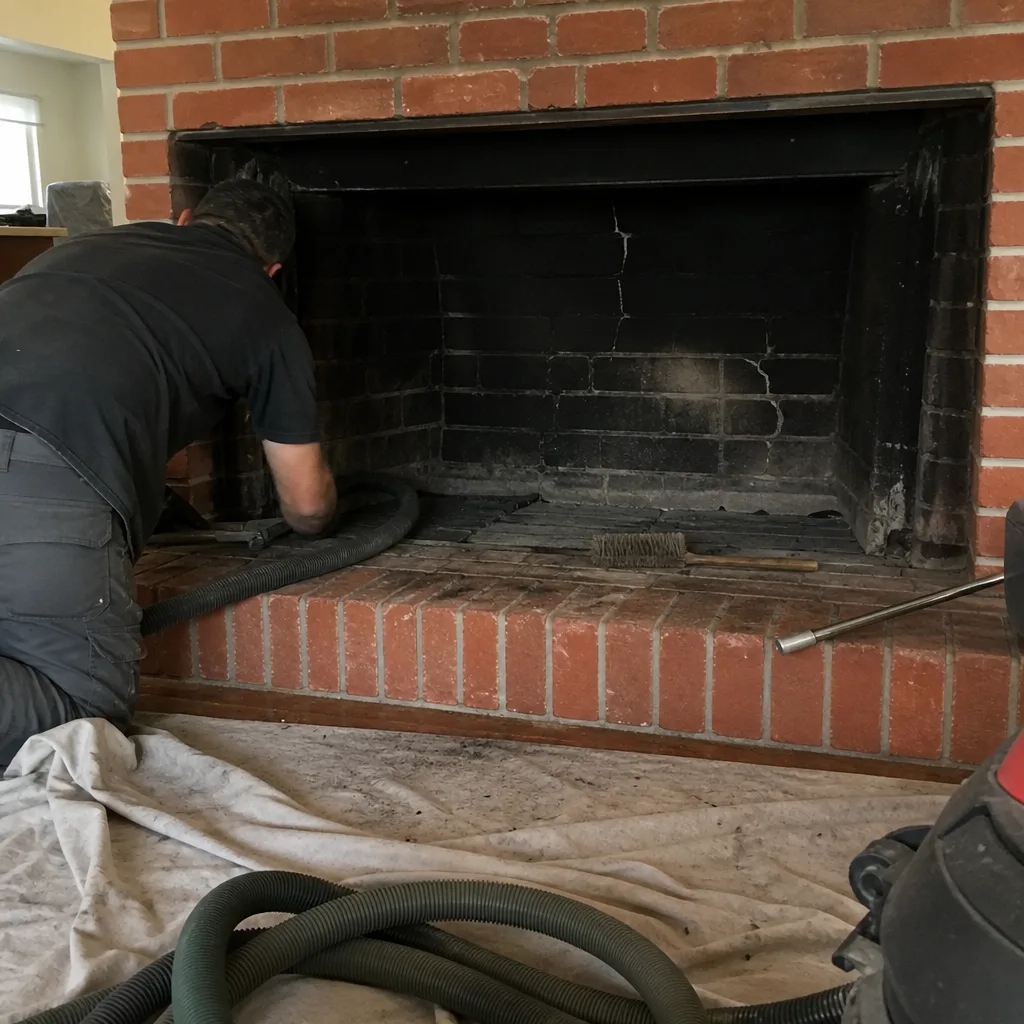 Before
 After
 Before
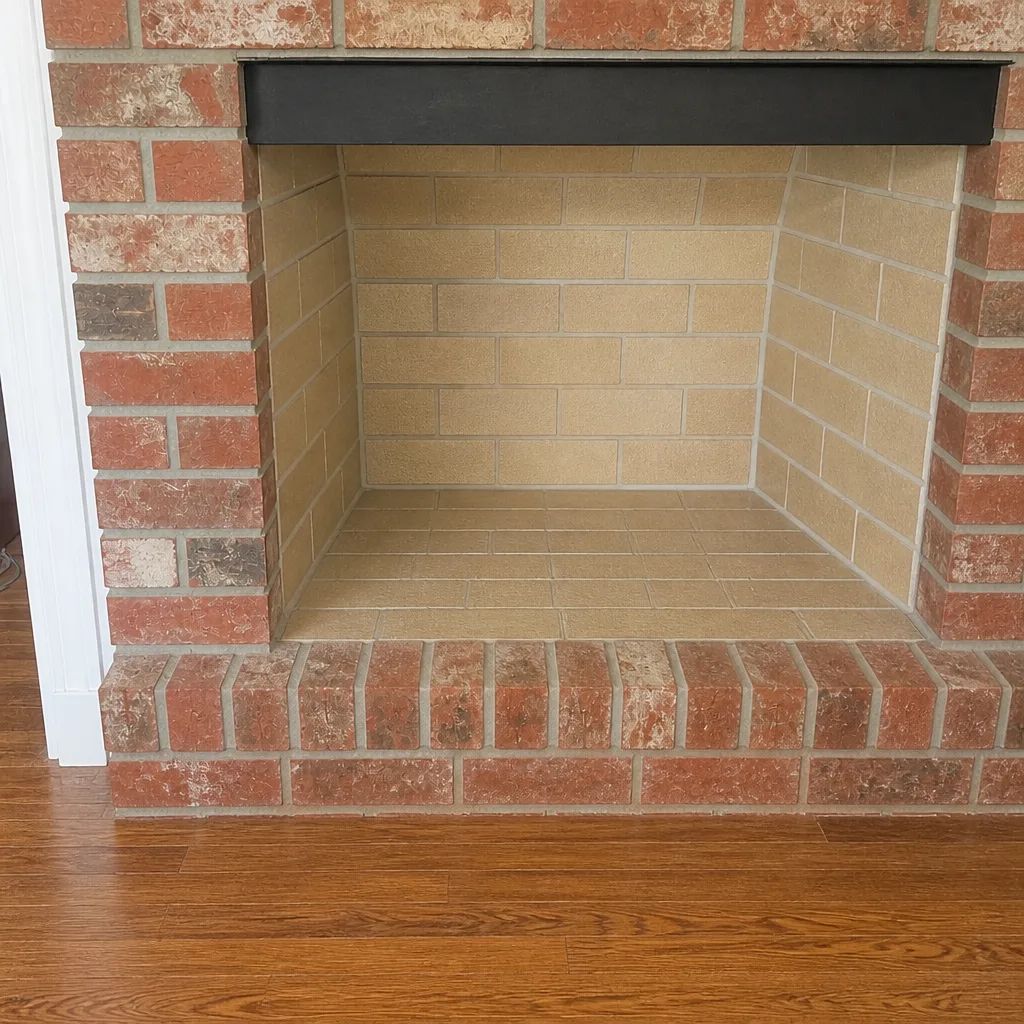 After
When to Call a Professional
If you have used your fireplace more than a handful of times this season and have not had the flue inspected, the path is straightforward. Creosote buildup is not visible from the living room. The first sign of a problem is often the problem. A chimney fire sounds like a freight train in the flue and can crack tiles, warp dampers, and spread heat into surrounding framing before you know what is happening.
Other reasons to call: a new home purchase where the flue history is unknown, strong smoke odors in the house when the fireplace is not in use, visible soot falling into the firebox, or a dryer that takes longer than normal to dry clothes. Each of these is a specific, addressable issue that a trained inspection can document. Chimney Cleaning Sunnyvale offers free estimates in Sunnyvale. Call (833) 593-7116. We answer 24/7. Fast dispatch from 7am to 7pm, Sunday through Friday.
Frequently Asked Questions
Chimney cleaning in Sunnyvale typically falls between $180 and $340 for a standard masonry fireplace with a clay tile flue, depending on flue height, creosote level, and whether the smoke chamber needs significant work. A gas fireplace or insert runs lower, while an older home with heavy buildup or unusual flue geometry runs higher. The written estimate sets the final price, and a cleaning that includes camera inspection and report documentation is worth the difference. Call (833) 593-7116 for an exact quote. Estimates are free.
The answer depends on what the camera shows. If the flue tiles are cracked in multiple places, if the gaps between tiles are open, or if the flue is unlined masonry, the liner recommendation is legitimate. If the contractor recommends a liner without showing you camera images of the specific damage, you should be skeptical. In many cases, HeatShield resurfacing can restore a damaged flue without a full reline, which is a less invasive and lower-cost option. Ask for the images first. A contractor who will not show evidence is not making an evidence-based recommendation.
The safe standard is one inspection and cleaning per burning season, or roughly every 40 to 60 fires, whichever comes first. In Sunnyvale, where fireplaces get seasonal rather than continuous use, an annual inspection before the winter burning months is the right rhythm. Gas fireplaces and inserts still need inspection for venting and particulate buildup, though on a longer interval. If you burn unseasoned wood or use the fireplace more than three times a week, cleanings need to be more frequent.
Creosote builds in layers. The first layer is soft and brushes away easily. The second layer is harder and adheres to the flue. The third layer is a glaze that requires rotary tools to remove. At each stage, the flue surface becomes more likely to ignite if temperatures get high enough. A chimney fire can reach over 2,000 degrees, which cracks tiles, warps metal components, and in the worst cases spreads into framing. The carbon monoxide risk works differently: a blocked or compromised flue can push combustion gases into the living space, which is odorless and invisible. The short version: skipping a cleaning means losing the opportunity to find and fix flue damage before it finds you.
Same-day scheduling is often possible depending on the time of the call and the dispatch schedule. We answer 24/7. A call outside dispatch hours is booked into the next opening, Sunday through Friday, 7am to 7pm. The cleaning itself typically takes one to two hours, including camera inspection and report preparation. If repair work is identified, the timeline depends on materials and scope, but the inspection portion is usually completed the same day.
The difference is verification. A CSIA-certified sweep has passed an exam on chimney construction, clearances, code requirements, and inspection methods, and they maintain their certification through continuing education. A non-certified sweep may do fine work, but there is no third-party verification of their knowledge. The certification is held by the individual technician, not the company, so the right question is not “is your company certified” but “which certified technician will be at my home” followed by a directory check.
The Bottom Line
Hiring a chimney cleaning contractor in Sunnyvale comes down to verification and documentation. Verify the individual technician’s CSIA certification. Verify the CSLB license for any repair scope. Ask about brushes, vacuums, rods, and cameras, and listen for specific answers. Get a written report with photographic documentation before paying. The contractor worth hiring treats the inspection report as the deliverable, not the upsell. The $49 coupon sweep is not a deal; it is a sales funnel. A proper cleaning with real equipment and a documented flue inspection costs more on the front end and saves far more over time. The flue is a fire boundary inside your house. Treat it like one.
Written by the team at Chimney Cleaning Sunnyvale, serving Sunnyvale since 2014.