
Last updated November 4, 2026
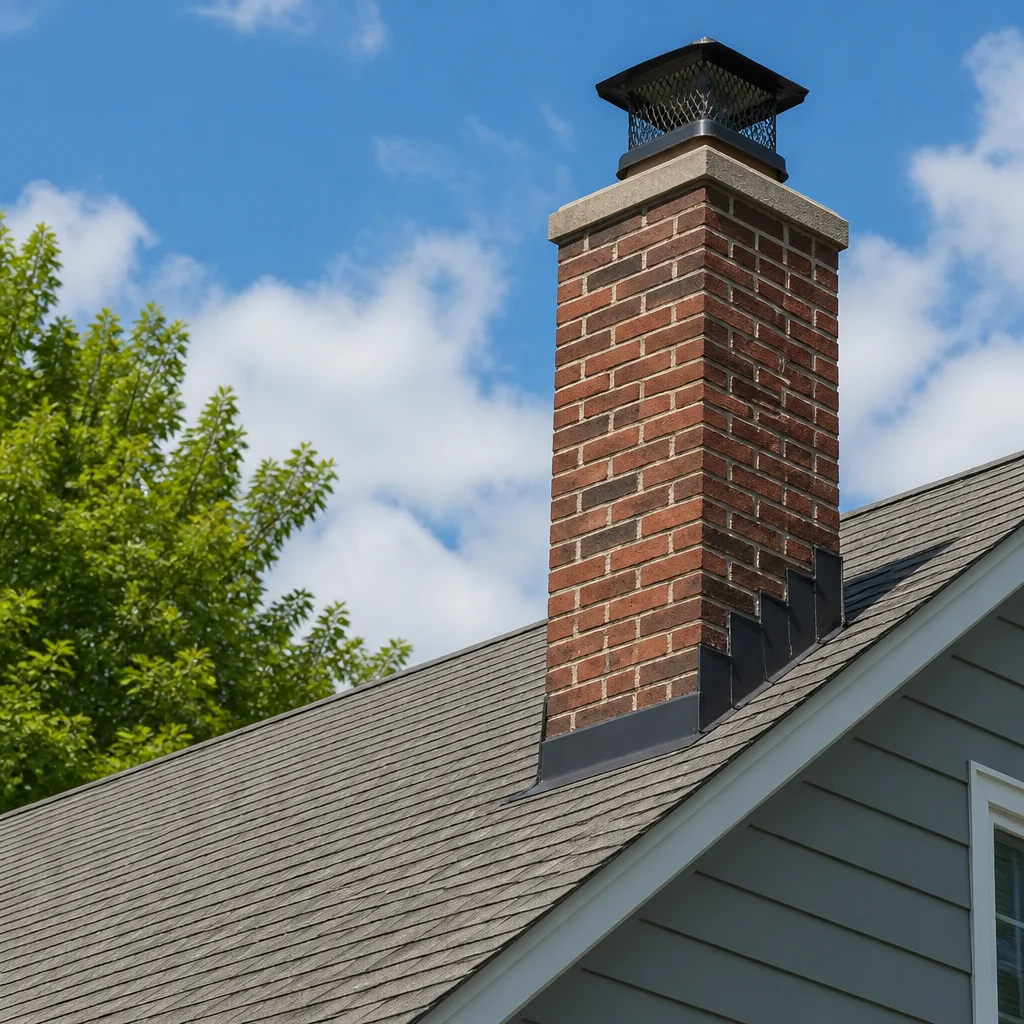 Sweep & inspection
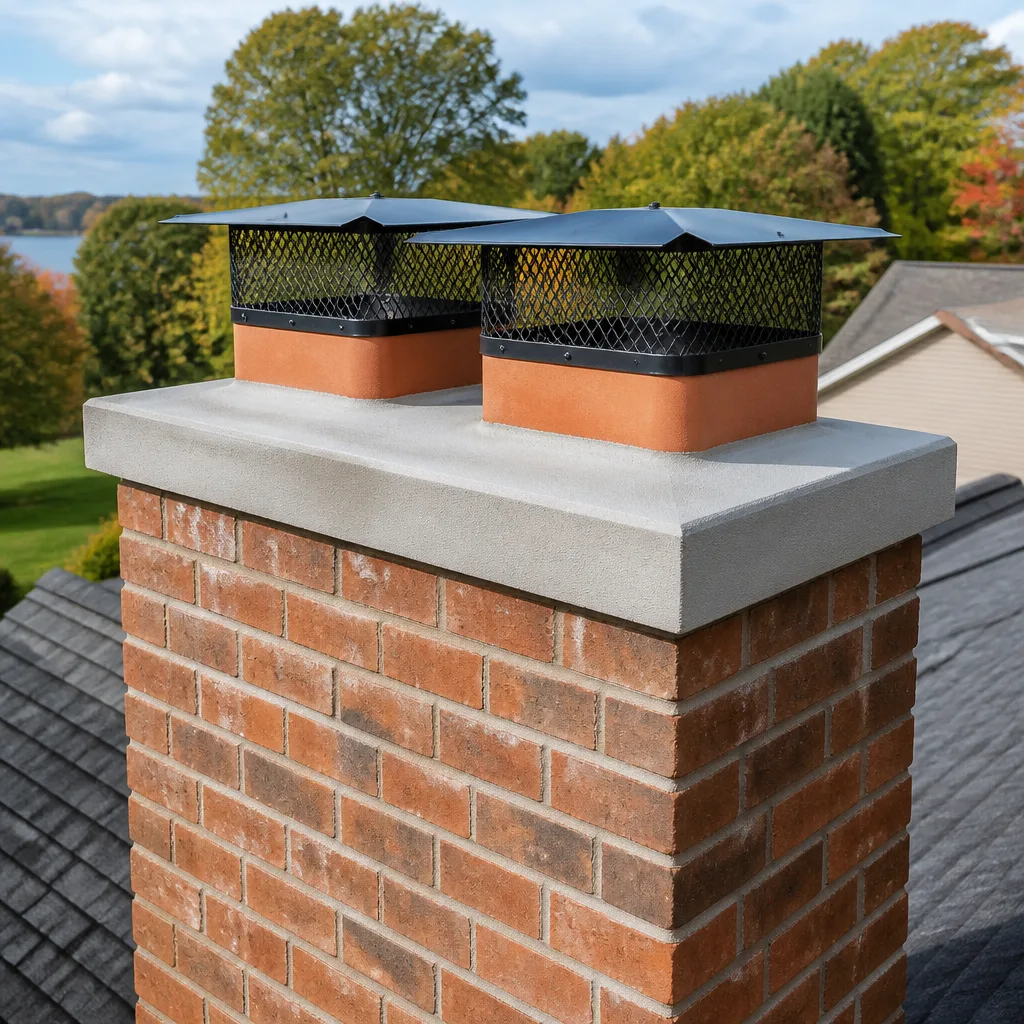 Caps & crowns
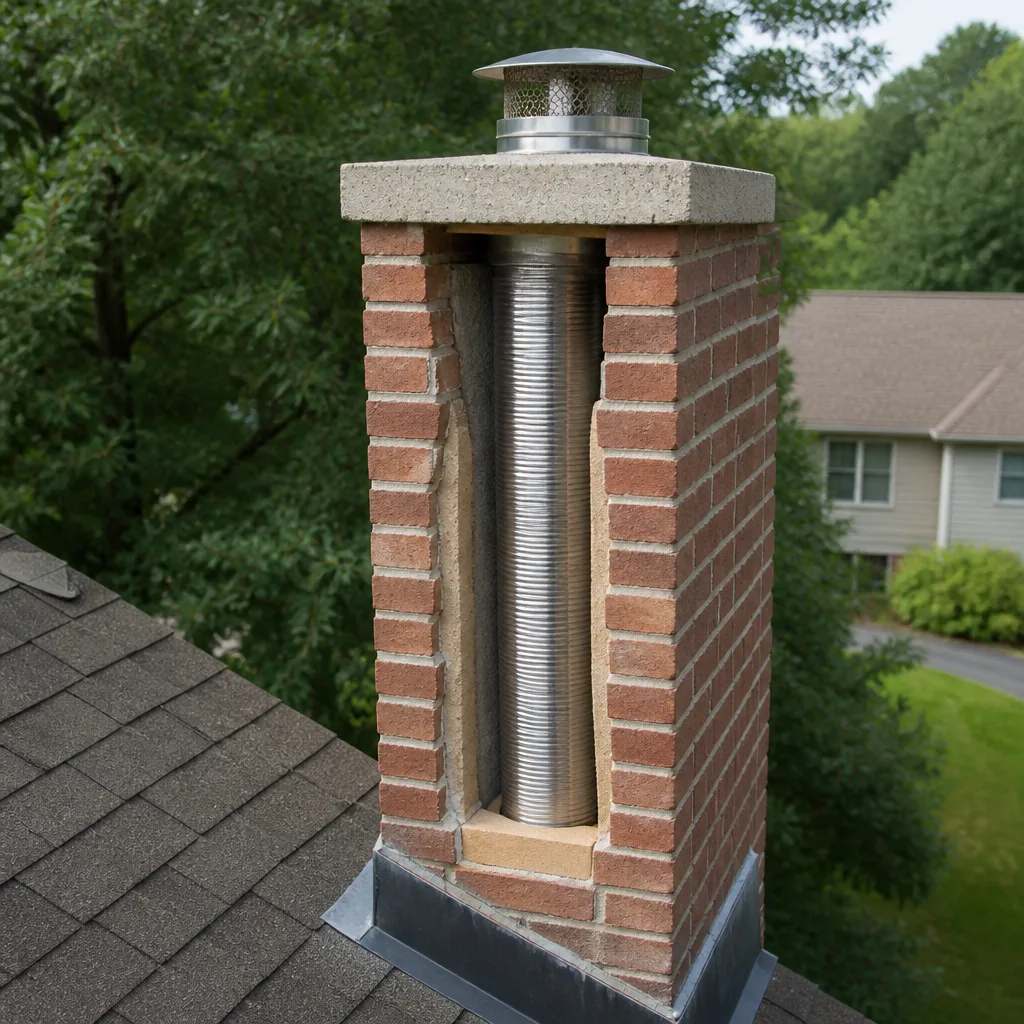 Flue relining
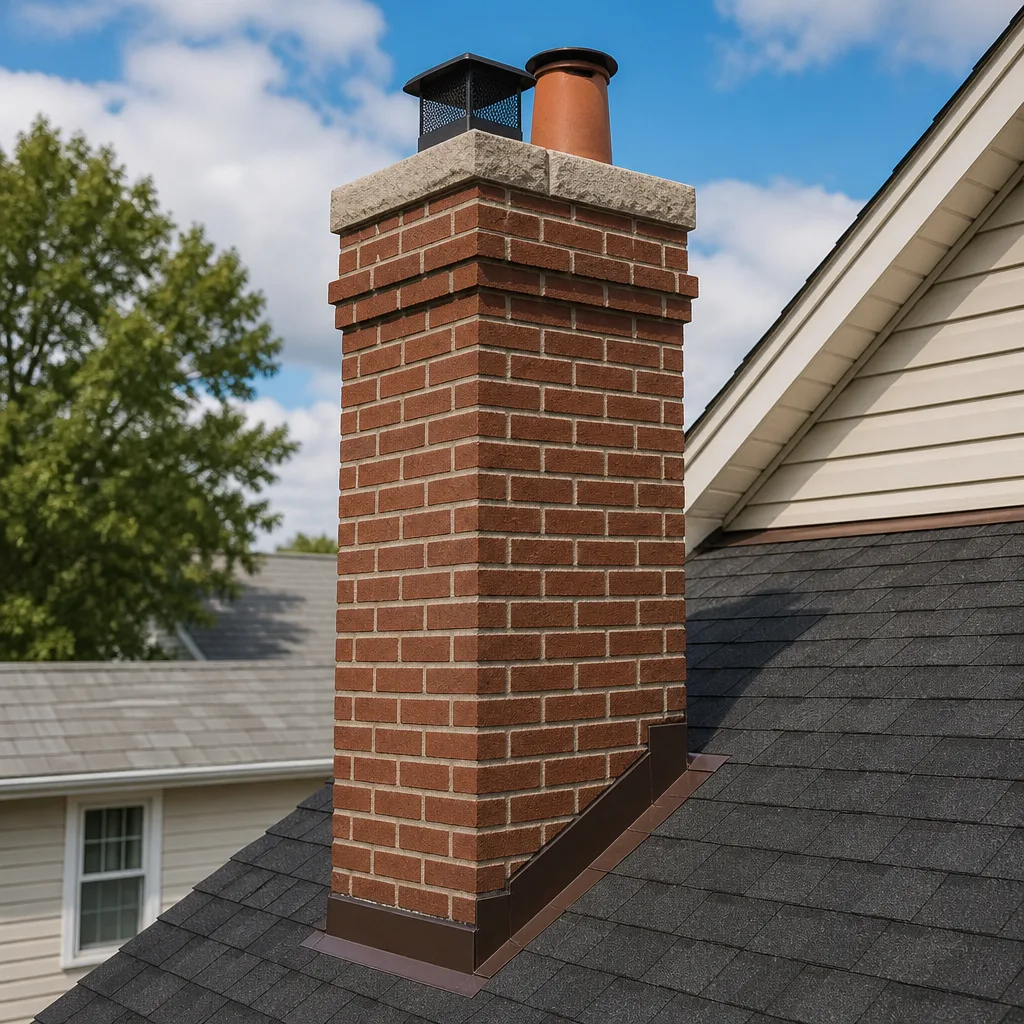 Masonry repair
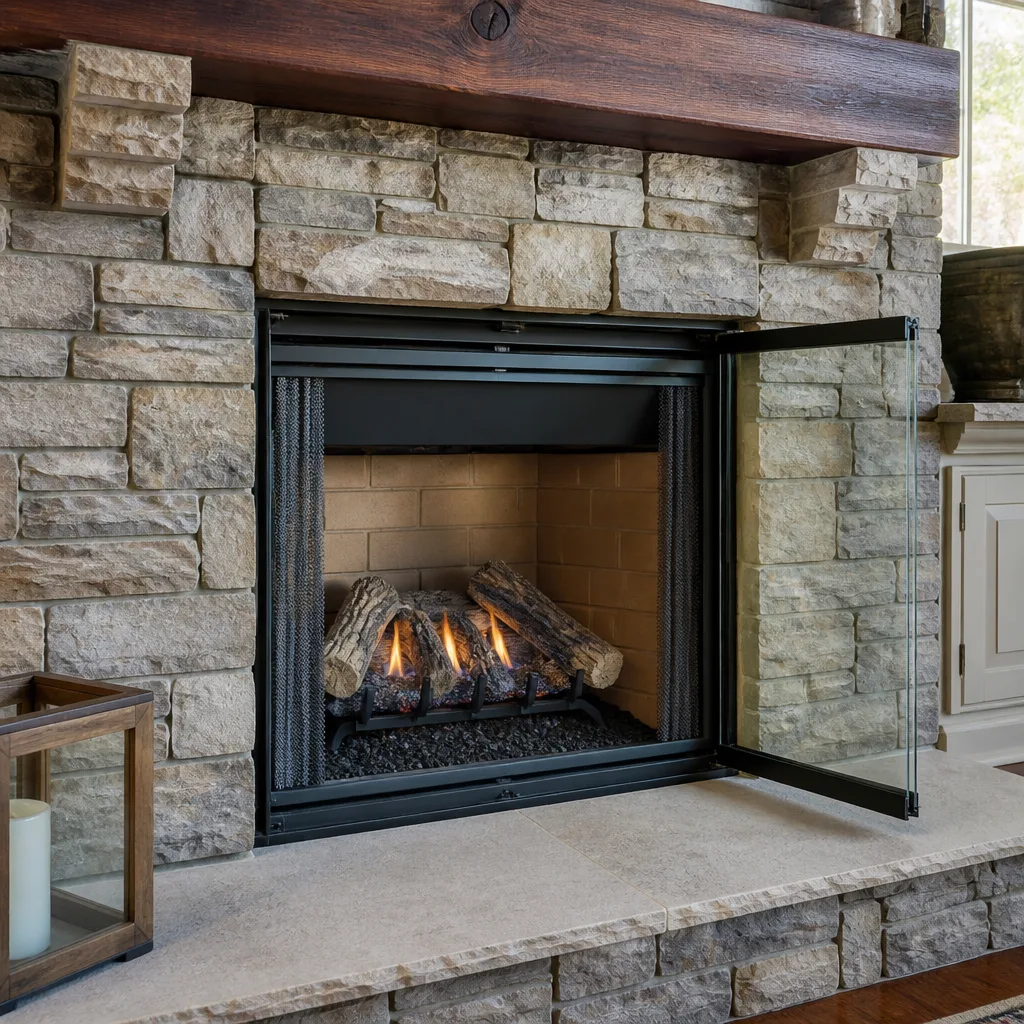 Gas fireplace service
Level 1 sweep and inspection to the NFPA 211 annual standard - flue, crown, cap, and flashing checked and photographed
Chimney sweep logs do not sweep chimneys. They loosen some creosote - which then falls where a brush and vacuum still have to collect it.
Seasonal Chimney Cleaning Care for Sunnyvale: Year-Round Homeowner’s Guide
Most chimney maintenance advice you’ll find online was written for houses in Minnesota, Massachusetts, or Michigan. It assumes a hard freeze, a long burn season, and a spring thaw. Sunnyvale doesn’t work that way. Our winters are mild, our fires are occasional, and our dry summer months create a different kind of risk. This guide explains the seasonal rhythm that actually fits Sunnyvale homes, and why the most important chimney service of the year here is probably the one you’re not scheduling. You’ll learn what to check in spring, summer, fall, and winter, when professional help is actually needed, and how to avoid the single most expensive mistake Sunnyvale homeowners make with their fireplaces.
Styles & brands we work with
- Sweep & inspection
- Caps & crowns
- Flue relining
- Masonry repair
- Gas fireplace service
Quick Answer
In Sunnyvale, the most important chimney care happens in late spring, after your last fire, not in the fall before the first one. A post-season chimney sweep removes deposits before the dry summer gives them months to cause liner damage, and it includes the cap and screen inspection that prevents animal intrusion during the off-season. Fall inspections still matter, but they’re a verification step, not your only line of defense. Gas fireplace owners need annual checks too, because gas systems produce acidic residue that isn’t visible from the outside.
Table of Contents
- Why Sunnyvale’s Climate Changes the Chimney Care Calendar
- Spring: The Post-Season Sweep That Matters Most
- Summer: Cap Inspection, Animal Barriers, and Fog-Season Prep
- Fall: The Pre-Season Check Before the First Fire
- Winter: Burning Smart During Spare the Air Season
- Gas Fireplace Seasonal Checks Most Homeowners Skip
- Why Dryer Vent Cleaning Belongs on the Same Calendar
- Common Mistakes to Avoid
- When to Call a Professional
- Frequently Asked Questions
- The Bottom Line
Why Sunnyvale’s Climate Changes the Chimney Care Calendar
National chimney guidelines usually recommend a fall sweep before burn season. That advice makes sense in places where the heating season runs from October through April and the chimney sees daily use. Sunnyvale doesn’t have that pattern. Most homeowners here light fires on maybe two dozen evenings a year: a few cold December nights, holiday gatherings, the occasional damp January weekend. The fireplace sits idle for long stretches, and that idleness is exactly what creates different maintenance needs.
When you burn wood, the smoke carries unburned particles, moisture, and organic compounds up the flue. These deposit on the flue walls as creosote, and creosote is the primary fuel for chimney fires. In a high-use chimney, the annual fall sweep removes a season’s worth of deposits before they reach a dangerous thickness. In a low-use Sunnyvale chimney, the deposits are thinner but the exposure window is longer. The residue from even a handful of fires sits in the flue through spring, summer, and early fall, during months when the air inside the chimney is warm and dry. Dry creosote is more flammable than fresh, sticky creosote, and long exposure to warm air accelerates the chemical changes that make deposits harder to remove and more corrosive to the liner.
There’s another factor most national guides ignore: moisture. Sunnyvale’s fog season runs from roughly June through September. Fog means high ambient humidity, and humid air moves through the chimney flue even when you’re not burning. When that moisture meets creosote deposits, it can trigger acidic reactions that slowly attack clay flue tiles and mortar joints. A chimney that was swept in October has already spent four months of fog season collecting deposits. A chimney swept in May or June starts the fog season clean.
Finally, consider animal intrusion. The long dry summer is when birds, squirrels, raccoons, and wasps look for sheltered nesting sites. A chimney without a properly fitted cap and screen is an open invitation. Animals bring nesting material into the flue, which blocks airflow and creates a fire hazard when you light your first fall fire. They also leave droppings and organic debris that hold moisture against the flue walls. Inspecting and repairing caps in late spring, before nesting season peaks, prevents most of these problems at the source.
The takeaway is simple: Sunnyvale’s burn pattern is irregular, not absent, and irregular use requires a different maintenance rhythm. The fall-only approach leaves your chimney unmonitored during the exact months when local conditions cause the most cumulative damage.
Spring: The Post-Season Sweep That Matters Most
If you only schedule one chimney service per year, schedule it in April or May, after your last fire and before the fog season begins. Here’s what a thorough post-season sweep in Sunnyvale accomplishes:
- Removes creosote before it dries and hardens. Fresh creosote is softer and easier to remove than the brittle, tar-like deposits that form after a hot, dry summer. Sweeping in spring means less aggressive cleaning methods work effectively, which is gentler on the flue liner.
- Eliminates residual moisture from the burn season. Your last fires left moisture in the flue. In colder climates, this moisture freezes and thaws. Here, it lingers and combines with fog-season humidity. Removing deposits and letting the flue dry thoroughly before June reduces the acidic reaction that damages mortar joints and clay tiles.
- Catches problems early, while repair options are simpler. A cracked crown, a loose cap, or minor water staining found in May gives you three or four months to address the repair before the next burn season. The same problem found in October creates a time crunch, and time crunches lead to rushed decisions and higher costs.
- Verifies the damper seals correctly. After a winter of use, dampers can warp or accumulate enough soot to prevent a tight seal. A damper that doesn’t seal properly lets conditioned air escape your home all summer and allows fog-season humidity into the flue. The spring inspection catches this before it costs you months of wasted energy.
- Confirms the flue is ready for the off-season. The last fire of the season can deposit enough creosote to matter, especially if you burned a final log on a cool March evening. A spring sweep means your chimney enters the long idle period clean, dry, and structurally sound.
In our experience in Sunnyvale, the spring sweep is the appointment that catches the most problems. It’s not because spring is harder on chimneys than other seasons. It’s because it’s the first time anyone has looked inside the flue since fall, and the inspection happens while there’s still ample time to fix what’s wrong.
Summer: Cap Inspection, Animal Barriers, and Fog-Season Prep
Summer in Sunnyvale is when your chimney is most vulnerable to two things: animals and humidity. Both problems are preventable with the right inspection and hardware.
Animal intrusion screening. Birds, squirrels, and raccoons are all active in Sunnyvale neighborhoods from spring through fall. A missing or damaged chimney cap is an open entry point. Once an animal enters, it brings nesting material, droppings, and sometimes itself gets trapped and dies inside the flue. The result is a blockage that makes your fireplace unusable and creates a fire hazard when burning season returns. A proper cap with mesh screening, sized correctly for your flue, prevents intrusion while maintaining adequate draft. Brands like Famco and Copperfield manufacture caps and dampers built to commercial supply standards, not hardware-store tolerances, and that distinction matters for long-term performance.
Fog-season waterproofing. Sunnyvale’s summer fog brings months of high humidity. Brick and mortar are porous materials, and moisture that penetrates the chimney structure causes spalling, crumbling mortar, and interior water staining. The right waterproofing treatment, applied to a clean chimney, repels liquid water while allowing the masonry to breathe. This is a different product than household sealants or paint, and using the wrong product traps moisture inside the masonry and accelerates damage. The application should happen in late spring or early summer, before fog season peaks, and it should be reapplied on the schedule the manufacturer recommends.
Chimney crown and chase-top check. The crown is the concrete or mortar surface at the top of the chimney that sheds water away from the flue. Small cracks in the crown let water into the chimney structure. In Sunnyvale’s dry summer, these cracks don’t cause visible problems, but when the fog arrives, the moisture works its way in. A summer inspection that catches hairline crown cracks saves you from discovering water damage inside the chimney in December.
Flue inspection while idle. Summer is an ideal time for a camera inspection of the flue interior. The chimney is dry, there’s no urgency, and the technician can take time to document every foot of the flue. If the camera reveals cracked flue tiles or deteriorated mortar joints, you have options. HeatShield resurfacing can restore damaged flue tiles without a full relining in many cases, and a DuraFlex flexible liner system can properly reline flues with offsets or unusual geometry. These decisions are much easier to make in July than in the week before Christmas.
Fall: The Pre-Season Check Before the First Fire
Fall chimney care still matters, even if it’s no longer your only appointment. Think of the fall check as a verification step: you’re confirming that the chimney is in the same condition it was when you left it in spring, and that nothing has changed during the idle months.
A proper fall pre-season check includes:
- Flue inspection before the first fire. Shine a light up the flue and look for any signs of obstruction, animal activity, or debris that accumulated during the fall. If you see anything irregular, schedule a professional inspection before burning.
- Smoke chamber sweeping. The smoke chamber sits between the firebox and the flue. It’s a common place for creosote deposits to build up, especially in older masonry chimneys where the smoke chamber was constructed with corbelled brick, which has a rough surface that catches deposits. A professional sweep includes this area.
- Damper sealing test. Open and close the damper. It should move freely and seal tightly when closed. A damper that’s stuck open, or that leaves a gap around its edges, lets warm air escape your house and makes the fireplace harder to start. Lubricating or adjusting the damper hardware is a quick fix during the fall inspection.
- Cap and screen visual check. Look at the chimney cap from the ground. Is it still seated properly? Are there any broken or missing sections of screening? Any opening larger than a pencil is enough for small birds and insects to enter.
- Smoke test. Once the firebox is clean and the damper is working, a professional can run a smoke test to confirm that the chimney draws properly. Poor draft causes smoke to spill into the room, which is both unpleasant and dangerous.
The fall check is also the right time to plan for the winter’s burn schedule. If you know you’ll use the fireplace for holiday gatherings, a fall inspection catches any issues before you have a house full of guests and a fireplace that doesn’t draw. For most Sunnyvale homeowners, the chimney that was properly swept in spring needs only a light clean and a verification inspection in the fall.
Winter: Burning Smart During Spare the Air Season
Sunnyvale is in the Bay Area Air Quality Management District, and winter burning is subject to Spare the Air restrictions. When a Spare the Air alert is in effect, burning wood, manufactured fire logs, or any other solid fuel is illegal in most cases, with limited exceptions for homes that rely on wood burning as their only heat source. In Sunnyvale, where most homes have central heating, that exemption rarely applies.
Spare the Air restrictions matter for your chimney care plan in two ways. First, they mean your burn season is even more irregular than the climate suggests. You might plan a fire for a January evening, have it canceled by an alert, and then have four more cold evenings where burning is allowed. That’s fine for your comfort, but it makes it harder to estimate creosote buildup based on the calendar. A fireplace that burns twenty times between November and February accumulates deposits at roughly the same rate whether those fires happen on a schedule or scattered across the season.
Second, Spare the Air restrictions should influence what you burn and how you burn it. Dry, seasoned hardwood produces less creosote per fire than wet wood, softwoods, or treated lumber. If you’re limited to fewer fires by air-quality rules, make each one count by using properly seasoned wood and building hot, efficient fires rather than smoldering ones. A smoldering fire produces more smoke, more creosote, and more indoor air pollution, all for less heat output.
During winter, run a quick visual check before each fire. Look up the flue if you can, confirm the damper is open, and check that no debris has fallen into the firebox. If you notice smoke spilling into the room instead of going up the flue, stop burning and call for an inspection. Smoke spillage indicates a draft problem, and burning through it just deposits carbon monoxide and particulates into your living space.
If you use the fireplace heavily during an unusually cold winter, or if you notice that fires are harder to start or producing more smoke than usual, schedule a mid-season sweep. The spring post-season rule is for normal use. Unusually heavy use creates unusually heavy deposits, and those deposits shouldn’t wait until May to be removed.
Gas Fireplace Seasonal Checks Most Homeowners Skip
Gas fireplaces have a reputation for being maintenance-free. They’re not. Gas systems still produce combustion byproducts, including acidic residue that can corrode metal components and degrade the flue liner over time. The difference is that gas fireplace problems are almost never visible from the outside. A wood-burning chimney shows you creosote buildup. A gas fireplace hides its deposits behind ceramic logs and glass panels.
A proper gas fireplace seasonal check includes:
- Burner and pilot inspection. The burner ports should be clean and clear. Soot buildup on the burner indicates incomplete combustion, which means the fuel-to-air mixture is off. This can be caused by a dirty burner, improper gas pressure, or a blocked vent. Left unaddressed, incomplete combustion produces higher levels of carbon monoxide.
- Venting system inspection. Gas fireplaces vent through the chimney or through a direct-vent pipe. The venting system needs to be clear of debris and animal activity, just like a wood-burning flue. A blocked gas vent is more dangerous than a blocked wood flue because gas combustion produces carbon monoxide, which is odorless and invisible.
- Component degradation check. Over time, gas exposure causes gaskets, seals, and thermocouples to wear. A seasonal check verifies that all components are functioning correctly and replaces worn parts before they fail.
- Glass and gasket cleaning. The glass front of a gas fireplace gets coated with a film that reduces visibility and, in some designs, affects how well the fireplace seals. Cleaning the glass and checking the gasket material keeps the system operating as designed.
- Log placement verification. The artificial logs in a gas fireplace are arranged in a specific configuration to direct the flame pattern. If logs have shifted, the flame may impinge on the logs, producing soot and carbon monoxide. A professional check confirms the logs are where they’re supposed to be.
These checks should happen annually, ideally in the late summer or early fall, before you start using the gas fireplace regularly on cooler evenings. The fireplace may have been idle for months, and the first firing is when dormant problems reveal themselves. Better to find a corroded component in September than on a cold November evening when you want the fireplace working.
Why Dryer Vent Cleaning Belongs on the Same Calendar
Your chimney and your dryer vent are connected in one important way: both are fire risks that can be addressed in a single appointment. Dryer vents collect lint, and lint is highly flammable. The U.S. Fire Administration identifies dryer vent buildup as a leading cause of residential clothes dryer fires. Dryer vent cleaning removes the accumulated lint from the entire vent run, from the dryer connection to the exterior termination.
For Sunnyvale homeowners, spring is the ideal season for dryer vent cleaning too. Winter laundry habits often include heavier fabrics, blankets, and more frequent loads, which generate more lint. A spring cleaning removes the winter’s accumulation before the dry summer months. Dry lint in a hot, dry vent is the most dangerous condition, and Sunnyvale’s summer creates exactly that.
The practical advantage of addressing both systems together is efficiency. A single appointment means one service visit instead of two, and it ensures both of your home’s major venting systems are maintained on the same calendar. Some homeowners schedule both services at once in the spring, then do a lighter chimney check in the fall.
Common Mistakes to Avoid
- Assuming a fall sweep is sufficient. The national advice assumes a heavy burn season and a real winter. In Sunnyvale, the most important sweep is the post-season one in spring. Waiting until fall leaves deposits sitting in the flue through the hot, dry summer, which makes them harder to remove and more corrosive to the liner.
- Ignoring the chimney cap. A missing or damaged cap is the most common entry point for animals in Sunnyvale neighborhoods. Birds and squirrels nest in chimneys during the spring and summer, and the first sign is often a blocked flue when you try to light a fall fire. A cap inspection costs nothing during a spring sweep and prevents most intrusion problems.
- Burning unseasoned wood. Wet wood produces a cool, smoky fire and heavy creosote deposits. Seasoned hardwood burns hotter and cleaner. If your wood isn’t dry, your chimney accumulates deposits faster, regardless of how many fires you burn. This is especially important given Spare the Air restrictions that may limit your burn days.
- Skipping gas fireplace maintenance. Gas systems are incorrectly seen as self-maintaining. They’re not. Annual inspection of the burner, venting, and components is essential for safe operation. Gas combustion produces carbon monoxide, and a blocked or damaged vent can send it into your living space without any odor or visual warning.
- Assuming a visible inspection is adequate. You cannot see the interior of your flue well enough from the firebox to assess its condition. Cracked flue tiles, deteriorated mortar joints, and hidden creosote deposits require a camera inspection. Problems that are invisible from below can be serious fire hazards.
- Treating the dryer vent as optional. Your dryer vent is a fire risk, and it accumulates lint with every load. In Sunnyvale’s dry summer, a heavily loaded dryer vent is a genuine hazard. This is not a maintenance task to defer indefinitely.
- Fixing a chimney problem with a hardware store patch. Chimney repairs involve specific materials and methods. The right products, like those from Famco, Copperfield, or Gelco, are manufactured to chimney industry standards. Hardware store substitutes may not tolerate the temperature extremes and combustion byproducts inside a working flue.
When to Call a Professional
Certain chimney conditions require professional attention, not a visual check from the fireplace. Call a professional if you see visible creosote buildup in the flue, if you notice smoke spilling into the room during a fire, if you smell a persistent chimney odor when the fireplace isn’t in use, if you find animal droppings or nesting material in the firebox, if you see water staining on the ceiling or walls around the chimney, or if your fireplace hasn’t been inspected in over a year. Gas fireplace owners should call if they notice soot accumulating on the glass, if the flame burns mostly yellow or orange instead of blue, or if the carbon monoxide detector has gone off with the fireplace running.
Chimney Cleaning Sunnyvale offers free estimates in Sunnyvale. Call (833) 593-7116. We answer 24/7. Fast dispatch from 7am to 7pm, Sunday through Friday.
Frequently Asked Questions
For most Sunnyvale homeowners who burn wood occasionally, once per year in the spring is sufficient. Heavy users, meaning homeowners who burn more than a couple dozen fires per season or who burn unseasoned wood, may need a mid-season sweep in winter as well. The standard guideline used by the National Fire Protection Association is that chimneys should be swept when creosote reaches 1/8 inch thickness, but without a camera inspection you can’t measure that yourself. Call (833) 593-7116 for an inspection and quote, estimates are free.
Yes, and in fact the spring sweep matters more for low-use chimneys. Even a few fires deposit enough residue to attract moisture during the summer fog season, and that moisture causes acidic reactions that damage flue liners. The deposits from an occasional-use chimney, left untouched through the dry summer, can become harder and more flammable by fall. A spring sweep removes the deposits while they’re fresh and gives the flue a clean, dry start to the idle season.
Creosote continues to build up in the flue, moisture attacks the liner materials, and animals may enter through a damaged cap. The first sign of trouble is often a chimney fire or water staining around the chimney structure. Chimney fires are dangerous because they can spread to the surrounding house framing before you even know one is happening. Water damage from a deteriorated crown or flashing is a slower but often more expensive problem, because it can require structural repairs to the chimney and surrounding areas. Call (833) 593-7116 for an exact assessment, estimates are free.
Yes. Gas fireplaces have lower creosote risk than wood systems, but they have their own hazards. Incomplete combustion produces carbon monoxide, and a blocked or damaged vent can send it into your home. Soot buildup on the burner or glass indicates the system isn’t burning properly. Gas fireplaces should be inspected annually, including the venting, burner, and safety components, just like wood systems. The fact that gas fires look cleaner doesn’t mean the flue is clean.
A standard chimney sweep with inspection in Sunnyvale typically costs between $150 and $300, depending on the size of the system, the amount of creosote buildup, and whether any additional work like cap replacement or waterproofing is needed. Camera inspections may be billed separately or included with the sweep. The written estimate you receive before work begins sets the final price. Call (833) 593-7116 for a free estimate specific to your chimney.
Yes. When the Bay Area Air Quality Management District issues a Spare the Air alert, wood burning is prohibited in Bay Area counties, including Sunnyvale’s Santa Clara County, with limited exceptions for homes where wood is the only heat source. These alerts typically happen on cold, still winter days when air pollution is likely to exceed federal standards. The restriction applies to wood, manufactured fire logs, and other solid fuels. Gas fireplaces are not affected by Spare the Air restrictions. Check the BAAQMD website or sign up for alert notifications to know before you burn.
The most common signs are scratching or rustling sounds coming from the chimney, animal droppings in the firebox, nesting material visible at the top of the flue, or a strong odor that gets worse on warm days. Birds, squirrels, and raccoons are all common in Sunnyvale. If you suspect an animal has entered your chimney, don’t start a fire to smoke it out. You risk setting fire to nesting material and filling your home with smoke. Call a professional to assess the situation and install a proper cap and screen to prevent reentry.
The Bottom Line
Sunnyvale’s mild climate and irregular burn pattern mean the standard fall-only chimney care calendar doesn’t fit local homes. The post-season spring sweep is the most important appointment you can schedule, because it removes deposits before the dry summer and fog season have months to cause damage. Summer is for cap inspection, animal barrier verification, and waterproofing before the fog. Fall is a verification step, checking that the chimney survived the idle months and is ready for the first fire. Winter is for smart, infrequent burning during Spare the Air season, with an eye on creosote buildup. Gas fireplaces and dryer vents need annual attention too, not because they’re used heavily, but because they’re used constantly in ways that hide their own hazards.
Written by the team at Chimney Cleaning Sunnyvale, serving Sunnyvale since 2014.
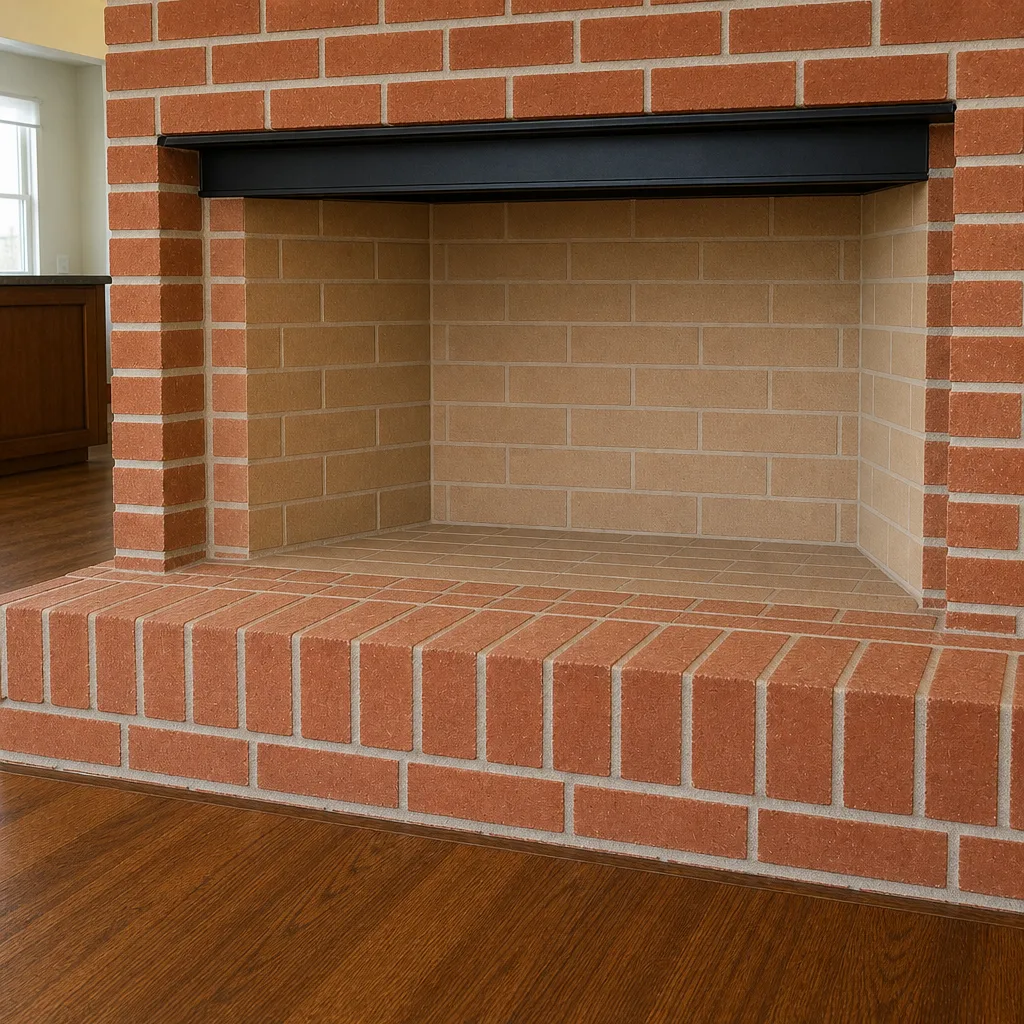
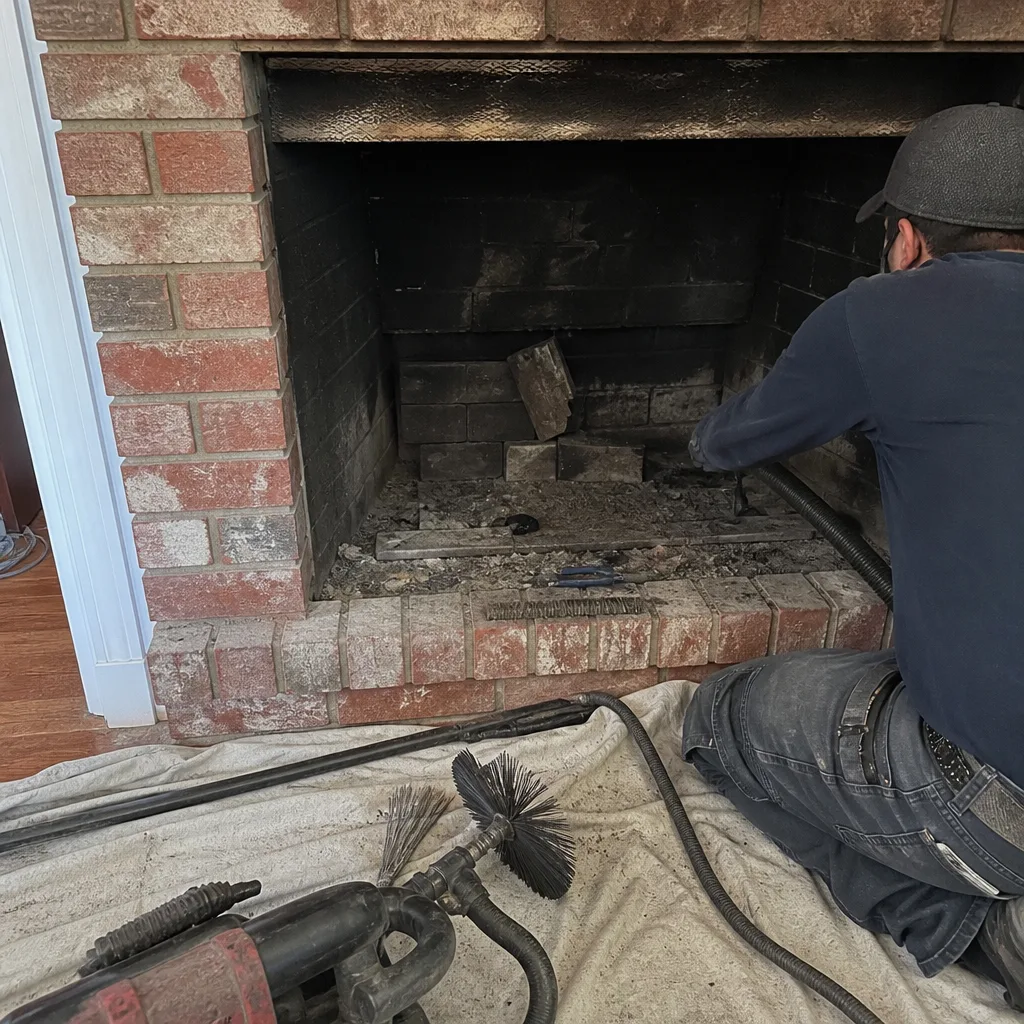
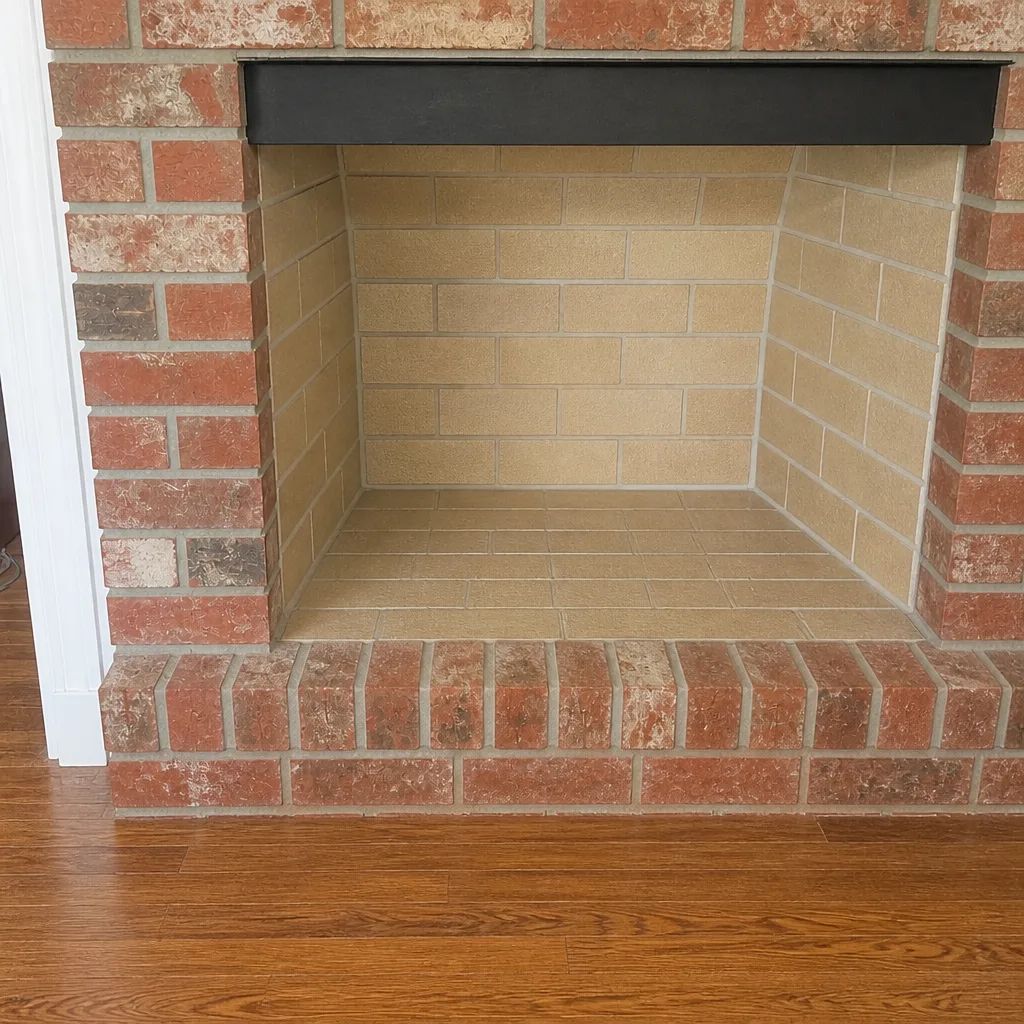
See the difference
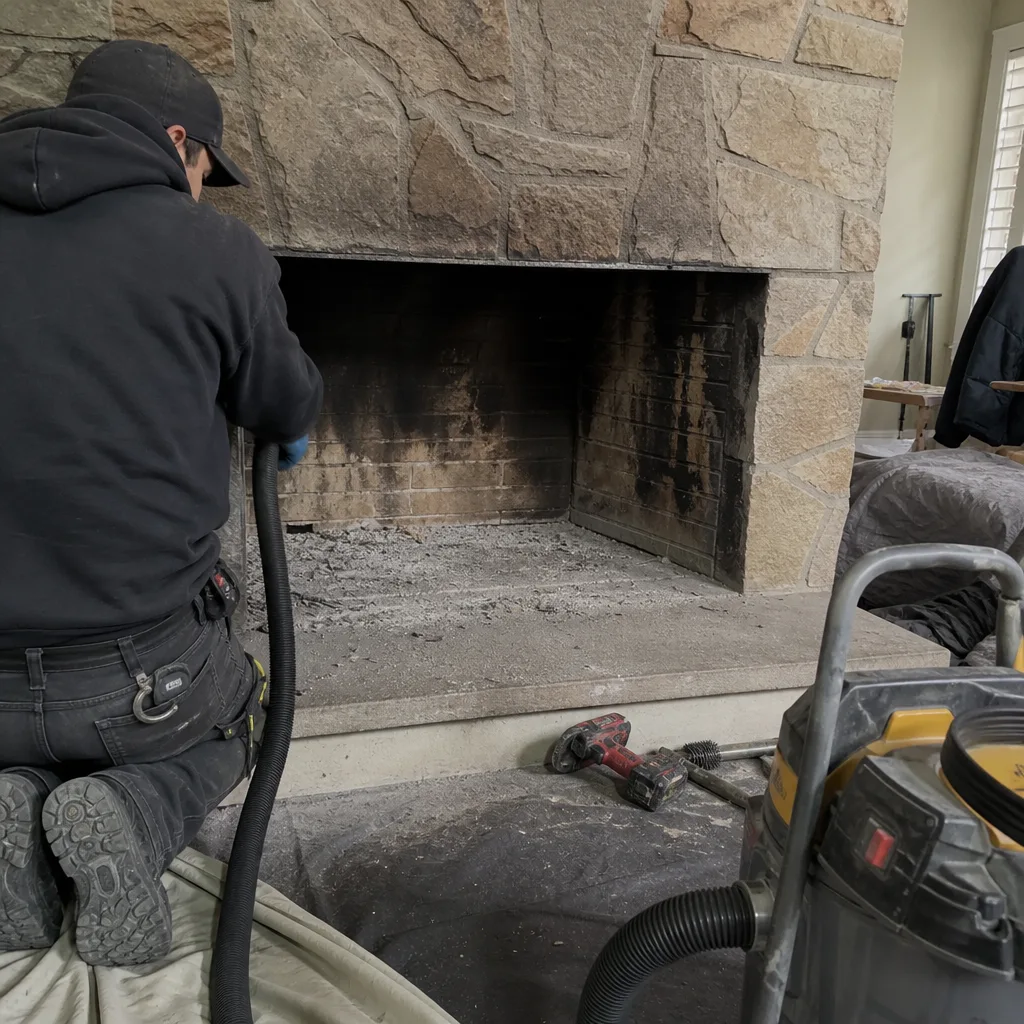 Before
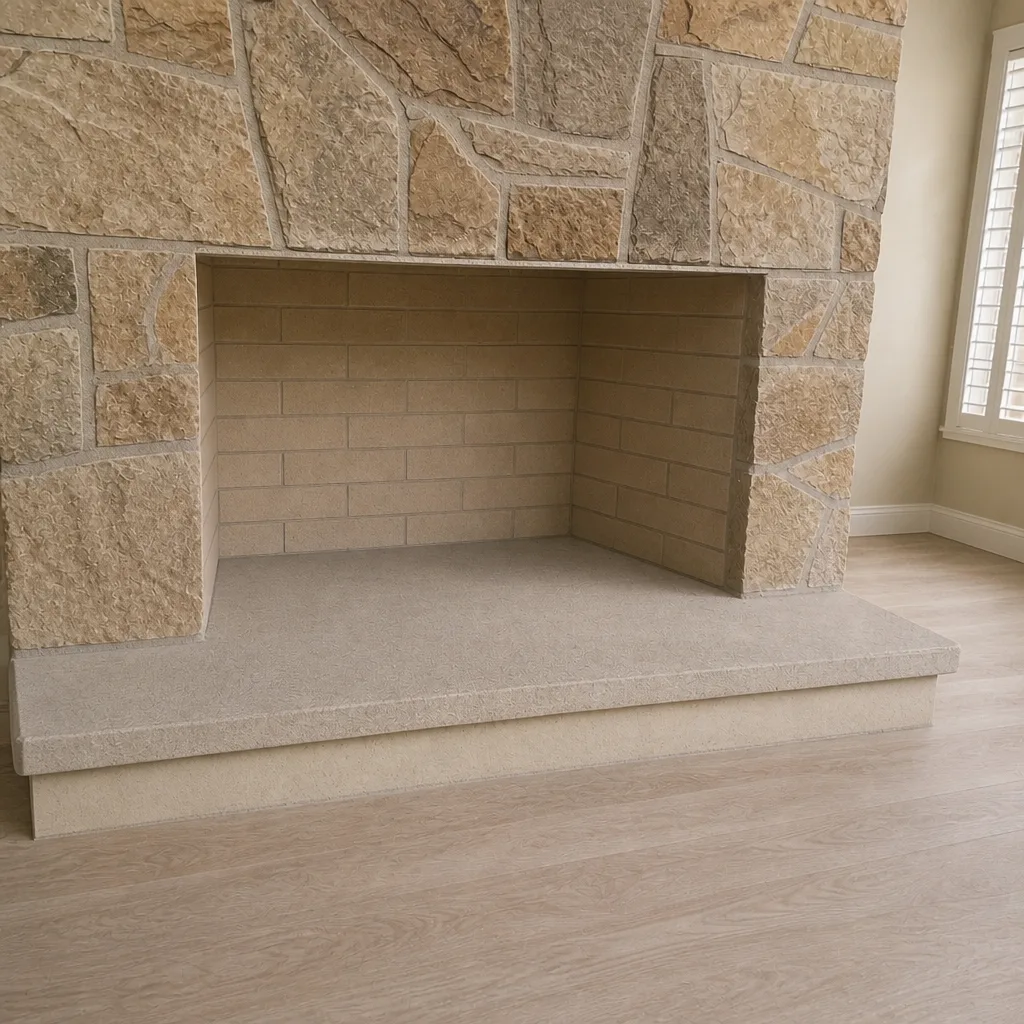 After
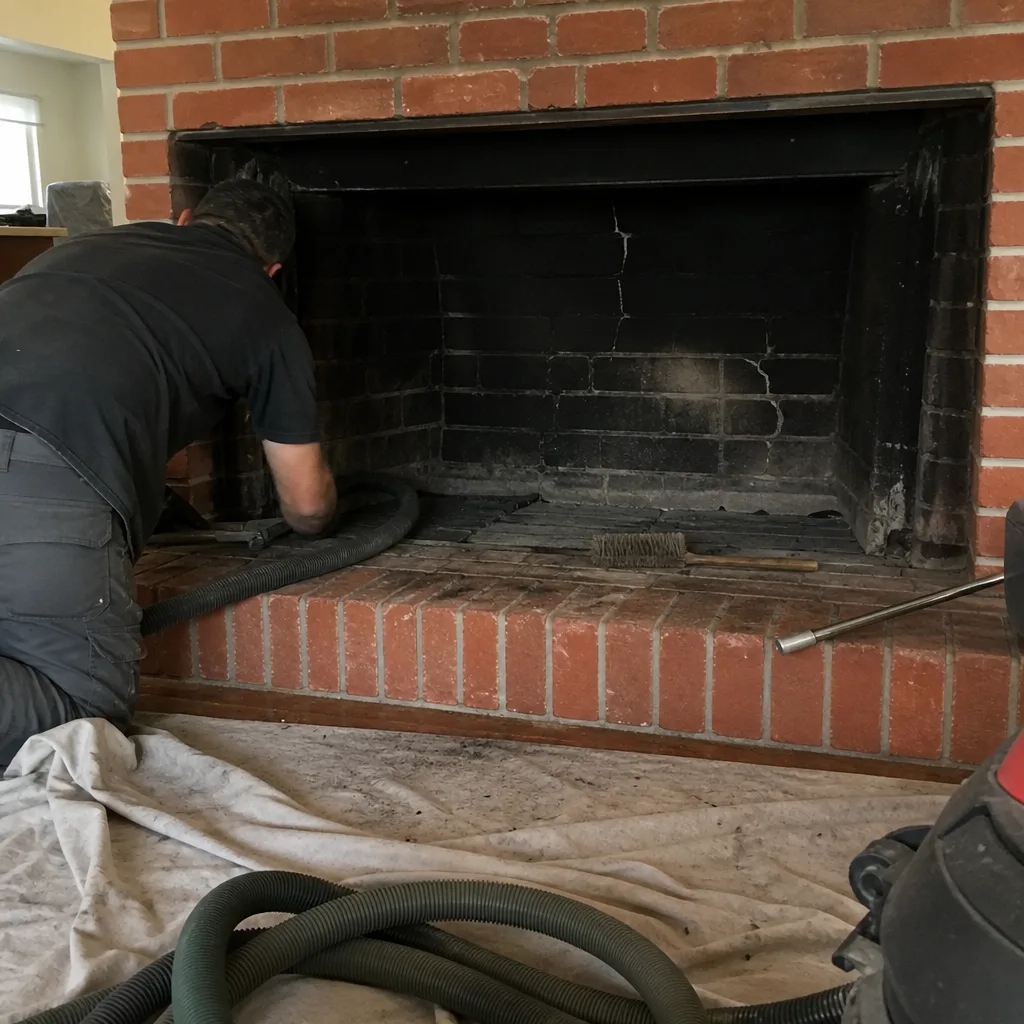 Before
 After
 Before
 After