
Last updated November 4, 2026
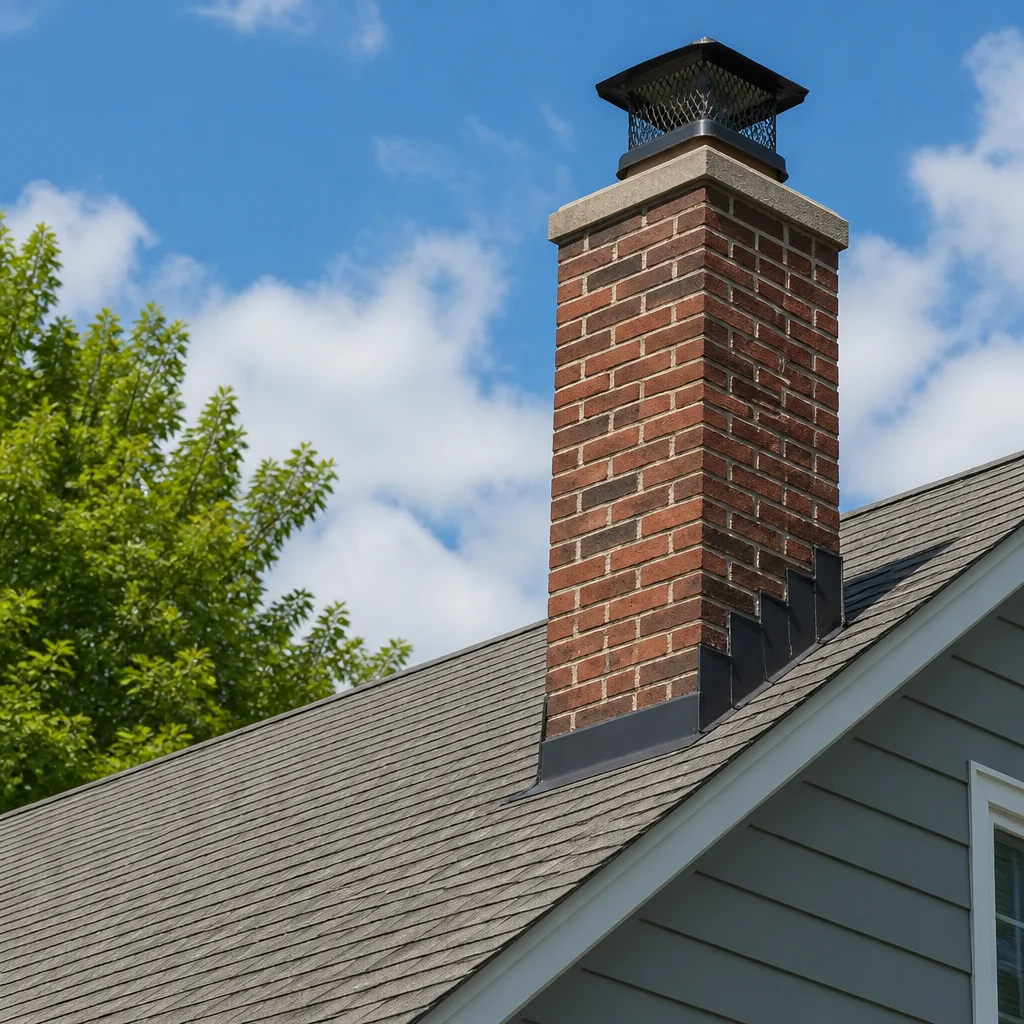 Sweep & inspection
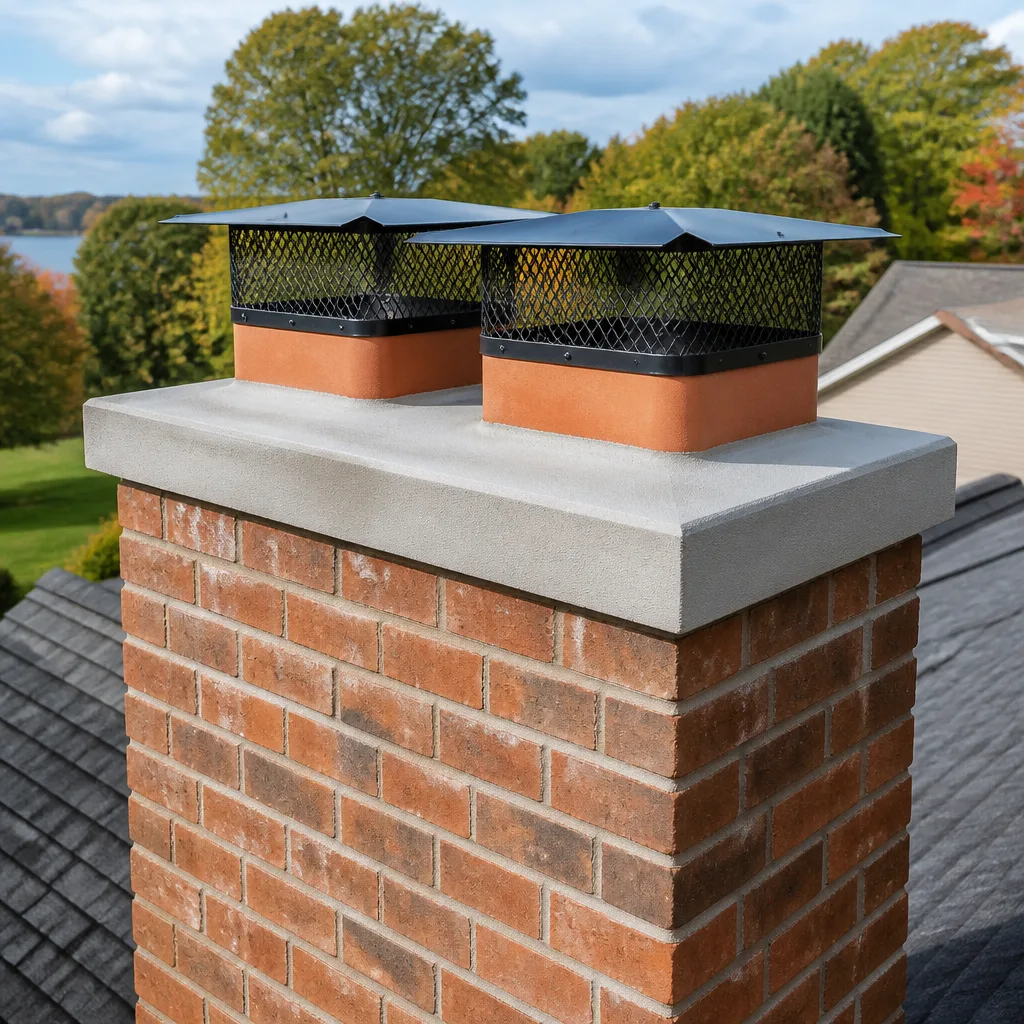 Caps & crowns
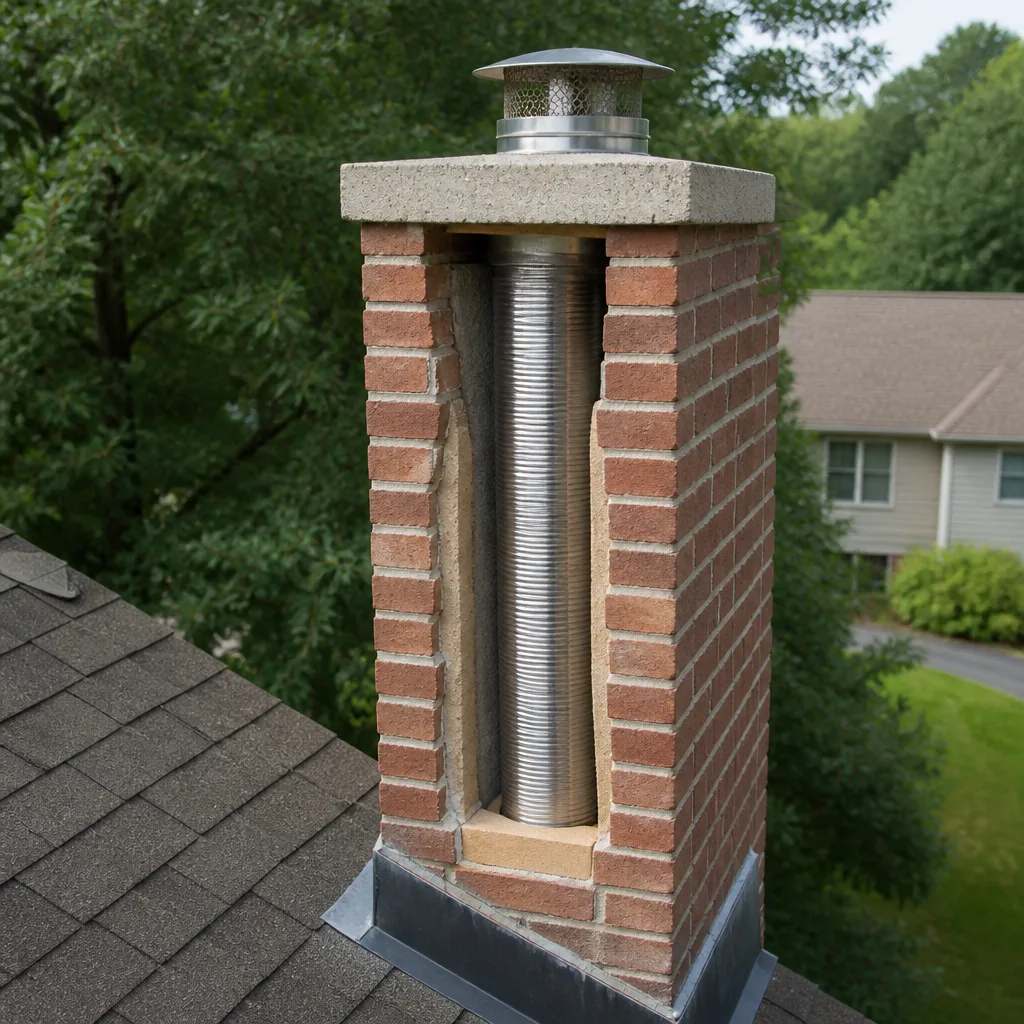 Flue relining
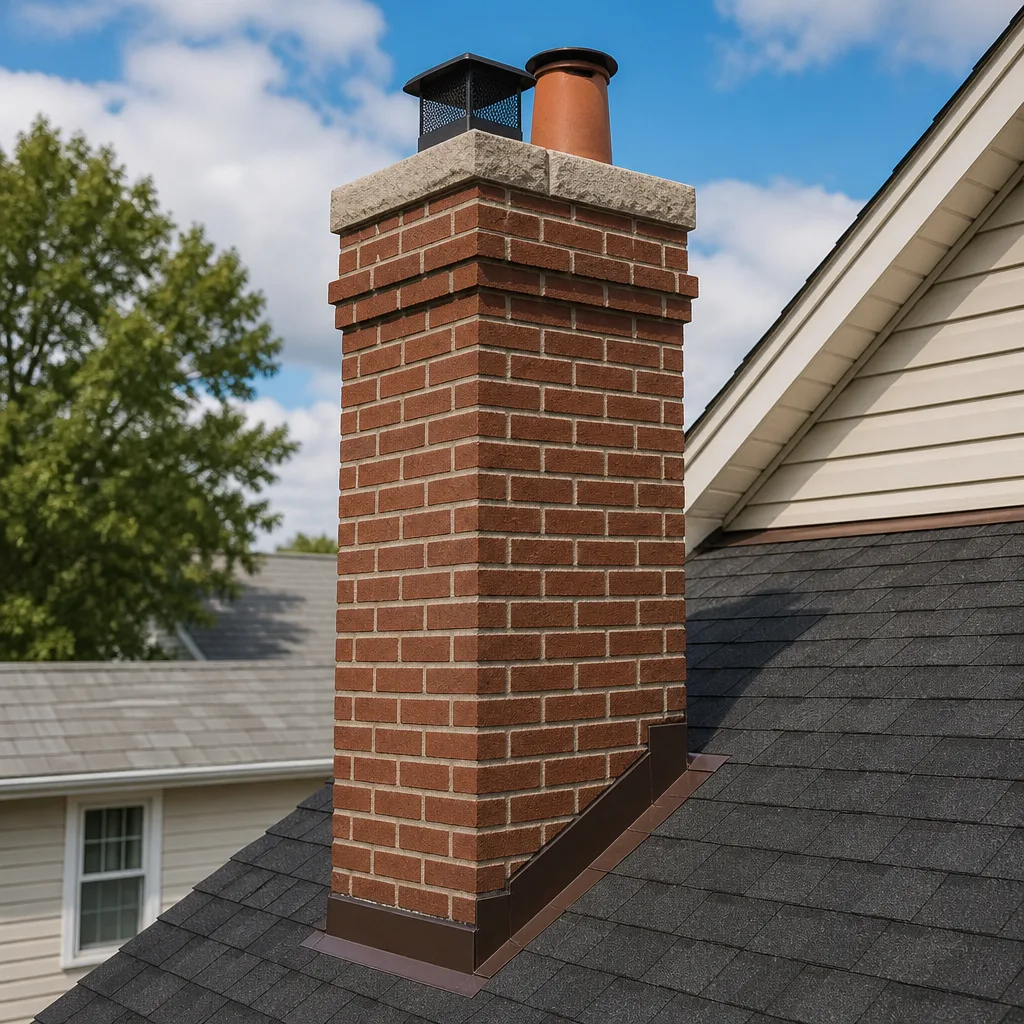 Masonry repair
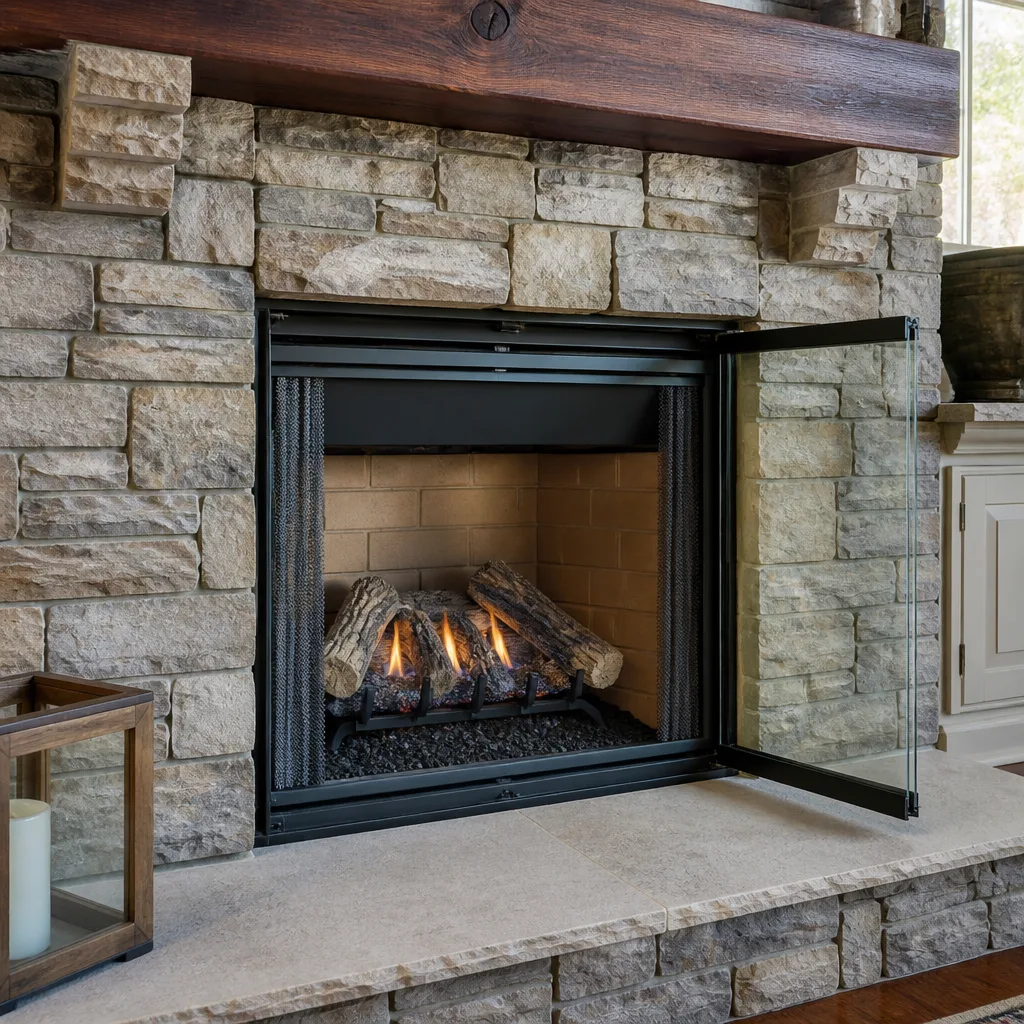 Gas fireplace service
Level 1 sweep and inspection to the NFPA 211 annual standard - flue, crown, cap, and flashing checked and photographed
Chimney sweep logs do not sweep chimneys. They loosen some creosote - which then falls where a brush and vacuum still have to collect it.
Chimney Cleaning Emergency Preparedness Guide for Sunnyvale Homes
Most Sunnyvale homeowners think a chimney emergency means flames shooting out the top. The reality is quieter and more dangerous: a seismic shift inside the flue that nobody can see, a blocked vent pushing carbon monoxide backward into a bedroom, or embers from a distant wildfire finding a gap in a rusted spark arrestor. This guide maps the actual emergencies that occur in Sunnyvale to the specific actions that protect your home. You’ll learn what to check after an earthquake, how to respond in the first 60 seconds of a chimney fire, and which venting failures warrant an immediate call to a professional.
Quick Answer
Chimney emergency preparedness in Sunnyvale means knowing four distinct scenarios: post-earthquake flue damage, active chimney fires, wildfire ember intrusion, and carbon monoxide events from blocked or backdrafting vents. Each requires a different immediate response, from shutting down the fireplace and calling for a Level 2 inspection to evacuating and dialing 911. The single most effective preparation is an annual chimney sweep that documents your flue’s baseline condition before any emergency occurs.
Styles & brands we work with
- Sweep & inspection
- Caps & crowns
- Flue relining
- Masonry repair
- Gas fireplace service
Table of Contents
- Post-Earthquake Chimney Protocol for Sunnyvale Homes
- Chimney Fire Response: The First 60 Seconds
- Wildfire Ember Season and Spark Arrestor Verification
- Carbon Monoxide Events Linked to Chimney Systems
- Documenting Chimney Damage for Insurance in Santa Clara County
- Building a Chimney Emergency Preparedness Kit
- Common Mistakes to Avoid
- Frequently Asked Questions
Post-Earthquake Chimney Protocol for Sunnyvale Homes
Sunnyvale sits in a seismically active region, and a Richter 5.0+ event within 20 miles is enough to shift a masonry chimney’s flue tiles out of alignment. That creates a gap that routes combustion gases into living space without any visible exterior damage. The exterior brick or stucco can look perfectly fine while the flue liner inside has separated at a mortar joint.
Here is the protocol we recommend after any earthquake strong enough to rattle dishes or knock items off shelves:
- Stop using the fireplace immediately. Even if the exterior looks undamaged, do not build another fire until the flue has been inspected. A shifted flue tile can direct carbon monoxide into wall cavities or bedrooms.
- Do a visual exterior check from the ground. Look for cracked bricks, separated mortar joints, a tilted chimney stack, or pieces of masonry on the roof or ground. Do not climb onto the roof yourself.
- Check the firebox interior. Shine a flashlight up the flue from inside the firebox (when cool). Look for fallen debris, displaced flue tiles, or daylight coming through where it should not.
- Check the attic and rooms adjacent to the chimney. Look for new dust, soot staining, or a smell of smoke in areas near the chimney chase. These can indicate a breach in the flue.
- Schedule a Level 2 inspection. A Level 2 inspection uses video scanning equipment to examine the entire flue interior, including concealed sections. This is the minimum standard after any seismic event or structural shift.
In our experience, the most common post-earthquake finding in Sunnyvale homes is not a collapsed chimney. It is a hairline separation between flue tiles that lets combustion gases seep into the chase. That is precisely why we use camera inspection on every job and provide a photo report. You should never be told you need repair work without seeing the evidence for yourself.
If the flue tiles have shifted but the structure is sound, HeatShield resurfacing can often restore the flue’s integrity without a full reline. That is a specialized restoration method not available from every chimney company, and it matters when the alternative is a more invasive liner installation. For chimneys with unusual offsets or geometry, a DuraFlex flexible liner system allows proper installation where rigid liners cannot adapt to the existing flue path.
Chimney Fire Response: The First 60 Seconds
A chimney fire sounds like a freight train rumbling through your flue, or a loud crackling and popping that grows rapidly louder. You may also see dense smoke, flames shooting from the chimney top, or intense heat radiating from the fireplace. What you do in the first minute determines whether this stays a contained flue fire or becomes a structure fire.
- Get everyone out of the house. Do not try to inspect the fire. Do not open the fireplace doors to look. Evacuate immediately.
- Call 911 from outside. Tell the dispatcher you have an active chimney fire. Firefighters in Santa Clara County respond to chimney fires as structure fire calls, not routine calls.
- Close the fireplace damper if you can safely do so without reaching into the firebox. This cuts off the air supply feeding the fire. Only do this if the fire has not already spread beyond the firebox and you can do it without putting your face or hands near the opening.
- Do not use water. Water inside a hot masonry flue causes thermal shock that can crack the liner and turn a contained fire into a structural collapse. Firefighters use dry chemical suppressants for this reason.
- After the fire is out, do not use the fireplace again. A chimney fire can exceed 2,000 degrees Fahrenheit. That level of heat warps flue tiles, melts mortar, and can crack the chimney structure. A full inspection is mandatory before the next fire.
Suppression strips are a product some homeowners ask about. They are designed to be thrown into the firebox where they release a dry chemical that starves the fire of oxygen. They are not a substitute for calling 911. In our view, they are a backup measure at best, and only appropriate if you already have them on hand and the fire is still contained to the flue. The first call is always to the fire department.
After any chimney fire, the flue liner must be evaluated for damage. In many Sunnyvale homes, the original clay tile liner was not designed to withstand a full chimney fire. We often find cracked or spalled tiles afterward. Depending on the extent, HeatShield resurfacing can restore the flue, or a DuraFlex liner can be installed to create a new, insulated flue path. The right solution depends on what the camera inspection shows.
Wildfire Ember Season and Spark Arrestor Verification
Sunnyvale is not in the hills, but wildfire embers travel far. During Spare the Air events and red flag warnings, prevailing winds can carry embers miles from their source. An ember that enters an uncapped or improperly capped chimney lands directly on creosote deposits or combustible debris. That is how houses far from the fire line end up with chimney fires.
Before wildfire season begins, verify three things:
- Your spark arrestor is intact. Spark arrestors are the mesh screens at the top of the chimney cap. The mesh must be small enough to stop embers (typically 3/4-inch mesh or smaller per California building requirements) and free of rust holes, gaps, or separation from the cap frame.
- Your chimney cap is properly secured. High winds can loosen cap bolts or shift the cap, creating a gap between the cap and the flue tile. An ember only needs a small opening.
- Your flue is clean. Creosote is fuel. An ember that finds creosote deposits can ignite a flue fire even without direct flame contact. The cleaner the flue, the less fuel available for an ember to ignite.
- Blocked flue. Bird nests, squirrel debris, fallen masonry, or years of accumulated creosote can partially or fully block the flue. The gas appliances keep producing combustion gases, but the exhaust has nowhere to go.
- Backdrafting. When negative air pressure inside the home (from exhaust fans, dryer vents, or tight construction) pulls combustion gases backward into the house instead of up the flue. This is more common in newer Sunnyvale homes with tighter building envelopes.
- Damaged or disconnected flue liner. A cracked tile liner or a disconnected connector pipe on a gas appliance allows combustion gases to exit into the wall cavity or attic instead of outside.
- Improperly sized flue. A flue that is too large for the appliance it serves cools the exhaust gases too quickly, reducing draft and allowing spillage back into the room.
- Keep records of your annual chimney sweeps. A dated record showing the flue was clean and structurally sound before an event establishes baseline condition. Insurers are less likely to deny a claim for pre-existing damage when you have documentation of regular maintenance.
- Photograph your chimney and firebox annually. Date-stamped photos from ground level and inside the firebox create a visual record of what the chimney looked like before any incident.
- Photograph everything before any cleanup or repair. Document the exterior from multiple angles, the firebox interior, any debris, and any visible cracking or separation. Do not move or remove anything until it is photographed.
- Request a written inspection report with camera documentation. In Santa Clara County, insurance adjusters respond more favorably to video inspection footage that shows the specific damage inside the flue. A photo report from a camera-equipped sweep gives the adjuster concrete evidence to work with.
- Get a written repair estimate that separates emergency work from long-term restoration. If a temporary repair is needed to make the system safe before a full restoration can be scheduled, the estimate should itemize that separately.
- Do not sign a contract for restoration work until your adjuster has reviewed it. California law gives you the right to choose your own contractor. An estimate from a company that works with the materials and methods your adjuster expects to see (proper liner sizing, recognized brands, camera evidence) makes the approval process smoother.
- Working carbon monoxide detector with fresh batteries, installed within 15 feet of each sleeping area. California law requires CO detectors in all dwelling units with a fossil fuel appliance or attached garage. Test them quarterly and replace the units every 5 to 7 years (check the manufacturer date).
- Fire extinguisher rated for Class A fires, kept within reach of the fireplace but not directly beside it. A chimney fire is a Class A fire (ordinary combustibles including creosote). Do not rely on a kitchen extinguisher that may be too far away in an emergency.
- Flashlight with fresh batteries. For checking the firebox after a power outage or earthquake, never for approaching an active fire.
- Suppression strips (optional but useful). Chimfex or equivalent brands. These are not a substitute for evacuating and calling 911, but they can help slow a flue fire in the window before firefighters arrive.
- Phone numbers written down. 911, your gas company’s emergency line, and (833) 593-7116 for chimney services. During a power outage or cell network disruption, having numbers on paper matters.
- Copies of your most recent chimney inspection report and photos. Digital copies on your phone are fine. Print copies are better if you need to hand them to an adjuster or firefighter.
- Assuming an undamaged exterior means an undamaged flue. Seismic shifting can separate flue tiles inside the chimney chase while the brick exterior shows no signs. Only a camera inspection sees the interior.
- Using the fireplace after a chimney fire without an inspection. A chimney fire changes the flue liner even when the fire was small. The next fire can escape through cracks that did not exist before.
- Throwing water on a chimney fire. Thermal shock cracks masonry and liners. The fire department uses dry chemical agents for a reason. Evacuate and call 911.
- Ignoring a CO alarm that stops on its own. A CO alarm that sounds briefly and then stops is not a false alarm. It means carbon monoxide was present at a detectable level. The venting system needs to be checked before gas appliances are used again.
- Assuming your chimney cap is fine because it was fine last year. Spark arrestor mesh rusts through, cap bolts loosen in wind, and birds build nests under caps in a single season. The cap is the most exposed component on the system.
- Burning unseasoned wood to save money. Green wood produces more creosote per fire than seasoned wood. That creosote is the fuel that turns a small chimney fire into a structure fire. Use wood seasoned at least 6 to 12 months.
- Postponing an inspection after an earthquake because the house looks fine. The flue is the one part of the house you cannot see. A Level 2 inspection costs far less than repairing a carbon monoxide event or a hidden flue fire.
After a nearby wildfire, check for intrusion signs even if your home was never in an evacuation zone. Look for fine ash inside the firebox, a burnt smell from the fireplace when it is not in use, or black soot marks around the damper. These can indicate that embers entered the flue and smoldered against creosote or debris. If you see these signs, schedule an inspection before using the fireplace again.
We install and repair chimney caps using components from Olympia Chimney and Famco, professional-grade brands specified by certified chimney engineers. A properly fitted cap with an intact spark arrestor is the single most effective barrier against ember intrusion. The mesh and frame must be matched to your specific flue dimensions, not adapted from an off-the-shelf universal fit.
Carbon Monoxide Events Linked to Chimney Systems
Carbon monoxide is odorless and colorless. You cannot detect it without an alarm, and by the time symptoms appear (headache, dizziness, nausea), the exposure has already occurred. In Sunnyvale homes with gas fireplaces, gas inserts, or gas water heaters that vent through a shared chimney, the flue is a critical part of the combustion gas exhaust system. A blocked or backdrafting flue sends those gases into the living space.
The following are chimney-related causes of CO events:
If your CO alarm sounds, open windows, evacuate everyone from the house, and call 911 or the gas company. Do not try to locate the source yourself. After the immediate emergency is resolved, the venting system must be inspected before gas appliances are used again. That includes the flue interior, the connector pipes, the damper (which should be removed or locked open for gas appliances), and the chimney cap.
Because we also provide dryer vent cleaning, a single appointment can address both your fireplace flue and your dryer vent. That matters because gas dryers also produce combustion gases that vent through a separate system, and a blocked dryer vent is a carbon monoxide risk as well as a fire risk. One call covers both venting systems.
Documenting Chimney Damage for Insurance in Santa Clara County
Chimney damage from earthquakes, chimney fires, or storm impacts is typically covered under most California homeowners insurance policies, but the claim process rewards thorough documentation. Here is what to do before and after an emergency:
Before an emergency:
After an emergency:
Every chimney sweep we perform includes a camera inspection and photo report. That documentation serves double duty: it shows you the actual condition of your flue so you can make informed decisions, and it creates the paper trail your insurer will ask for if disaster strikes.
Building a Chimney Emergency Preparedness Kit
Most of what you need to handle a chimney emergency is already in your home or is inexpensive to assemble. The goal is to have everything accessible in one location so you are not fumbling through drawers during a fire or earthquake response.
A recommended kit includes:
We answer 24/7 at (833) 593-7116. Fast dispatch from 7am to 7pm, Sunday through Friday. If a chimney emergency happens outside dispatch hours, the call is answered and you are booked into the next opening. You will never be told to leave a message and wait for a callback.
Common Mistakes to Avoid
See the difference
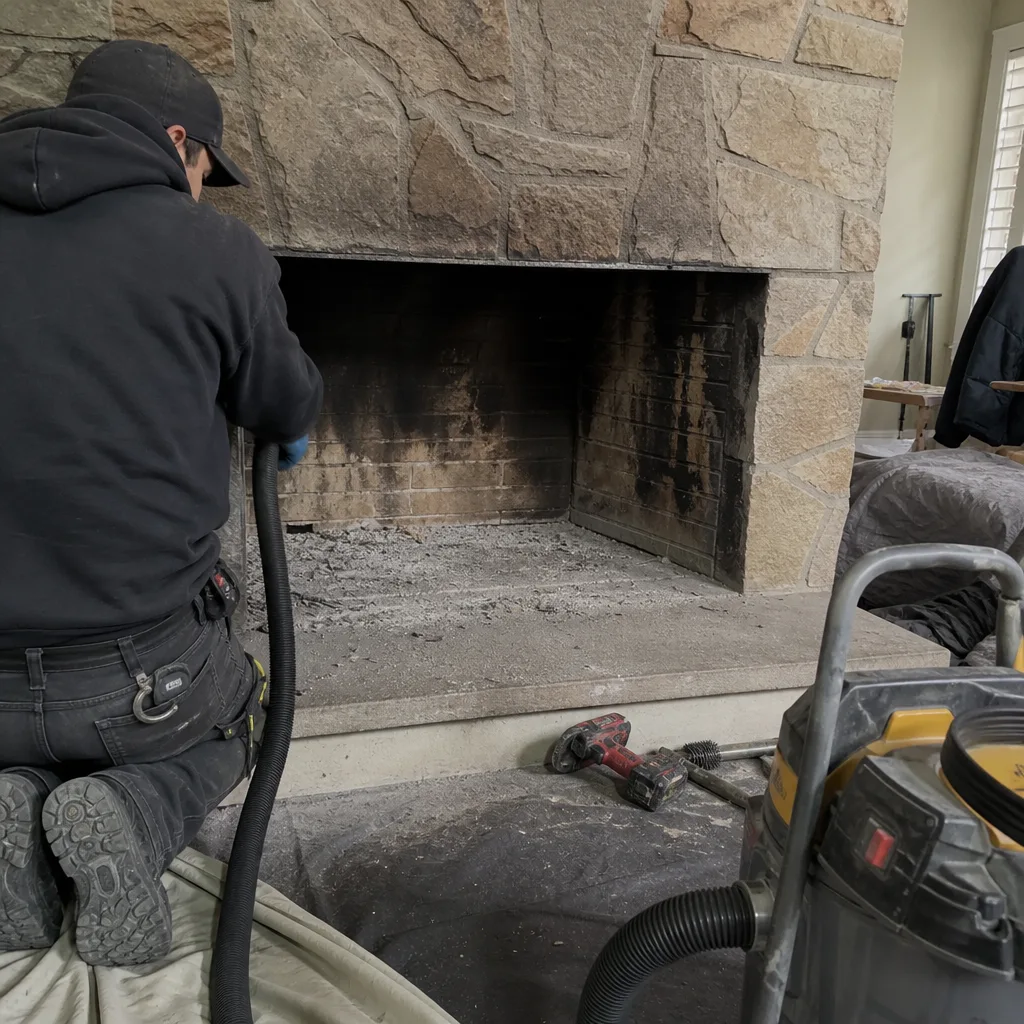 Before
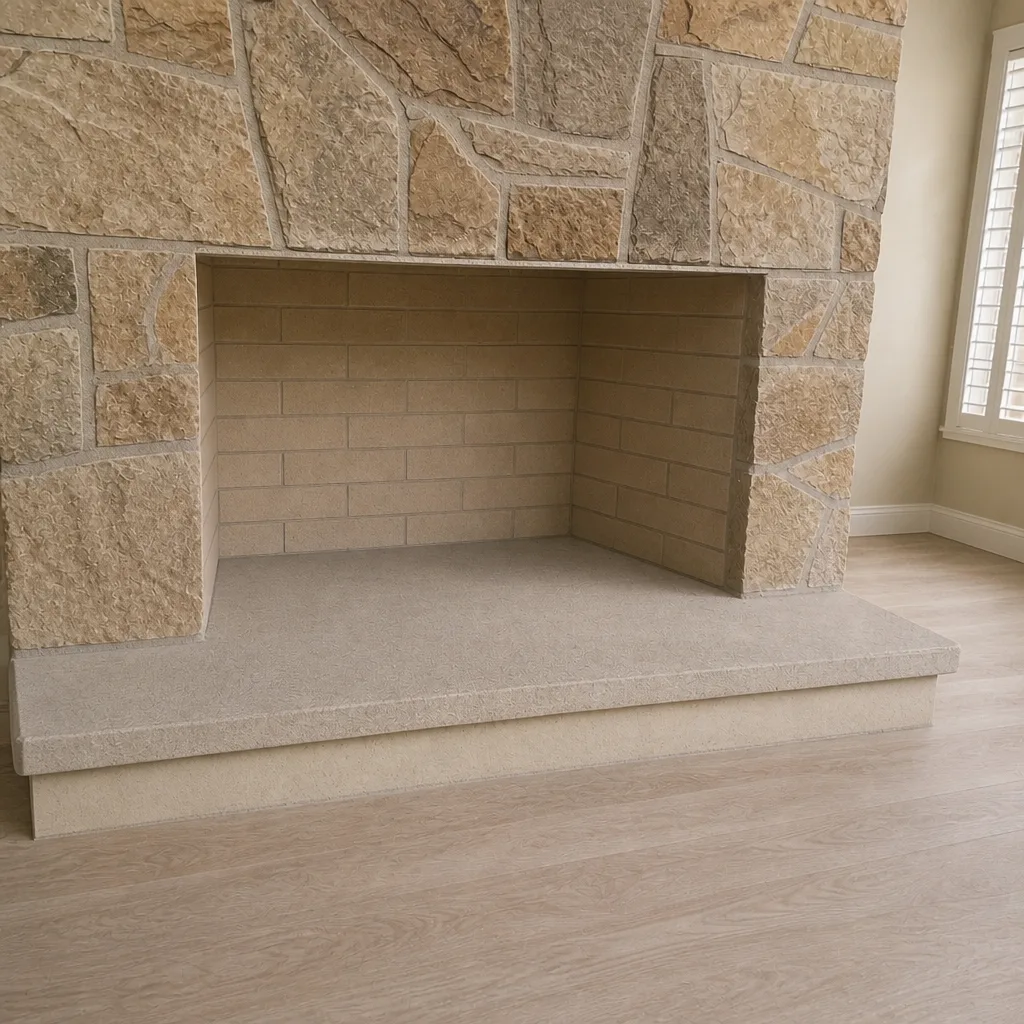 After
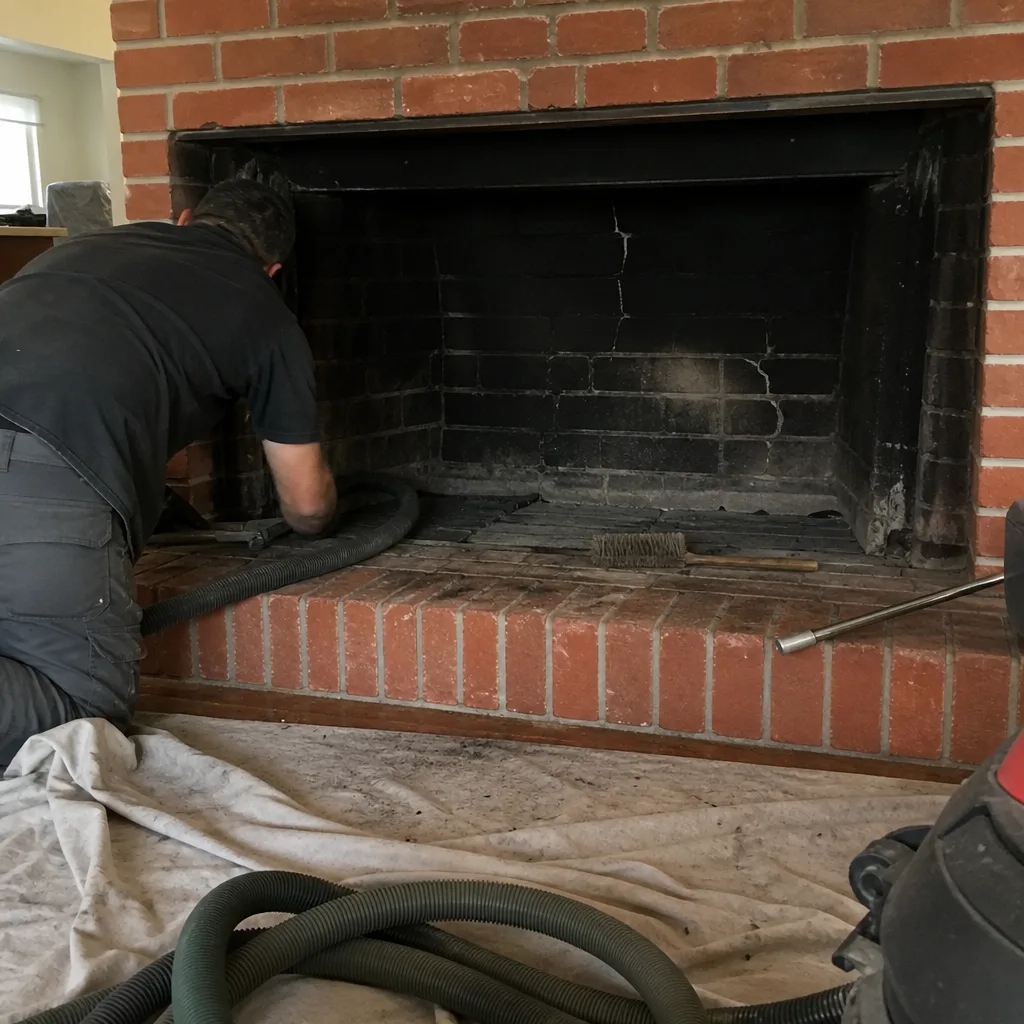 Before
 After
 Before
 After
When to Call a Professional
Call a chimney professional after any earthquake strong enough to rattle dishes, after any chimney fire (even a small one), after a CO alarm sounds, if you see ember intrusion signs after a nearby wildfire, or if you notice a lingering smoke smell in the house when the fireplace is not in use. Any of these signals means the flue’s condition has changed from its last documented state. A camera inspection with a photo report gives you the evidence you need to decide what actually requires repair. Chimney Cleaning Sunnyvale offers free estimates in Sunnyvale. Call (833) 593-7116. We answer 24/7. Fast dispatch from 7am to 7pm, Sunday through Friday.
Frequently Asked Questions
A wood-burning fireplace chimney should be swept after every 40 to 50 fires, or at least once per year. Gas fireplace flues typically need inspection every year but less frequent sweeping unless debris or blockages are found. Homes that burn unseasoned wood or use the fireplace as a primary heat source may need more frequent sweeping. The annual sweep is also your chance to document the flue’s baseline condition, which matters for insurance claims after earthquakes or fires.
Yes, but only after you have checked the exterior from the ground for cracking, looked inside the firebox for debris or displaced tiles, and verified no smoke smell in rooms adjacent to the chimney. If any of those signs are present, stop using the fireplace and schedule a Level 2 inspection with camera scanning before the next fire.
A loud rumbling or crackling sound from the chimney, dense smoke, flames visible from the chimney top, or intense heat radiating from the fireplace. These are all signs of an active chimney fire. Evacuate immediately and call 911. Do not open the fireplace doors to investigate.
If the earthquake was strong enough to rattle dishes or knock items off shelves, yes. A Level 2 inspection with video scanning is the only way to see inside the flue where seismic damage occurs. The exterior of the chimney can look untouched while flue tiles inside have shifted out of alignment. The inspection cost is minor compared to the risk of operating a fireplace with a breached flue.
During red flag warnings and Spare the Air events, prevailing winds can carry embers miles from wildfire zones. An intact spark arrestor with unrusted mesh and a properly secured chimney cap are your primary defenses against ember intrusion. After a nearby fire, check the firebox for fine ash or a burnt smell. If you see intrusion signs, have the flue inspected before using the fireplace again.
Open windows, evacuate everyone from the house, and call 911 or the gas company. Do not try to locate the source yourself. After the emergency is resolved, the venting system must be inspected before gas appliances are used again. That includes the flue interior, connector pipes, damper position, and chimney cap. Call (833) 593-7116 for an inspection. We answer 24/7.
In most cases, yes. Earthquake damage, chimney fire damage, and storm impact damage are typically covered under standard California homeowners policies, subject to your deductible and specific policy exclusions. The claim process goes more smoothly with documentation: dated records of annual sweeps, photos of the chimney before the event, a camera inspection report after the event, and a written repair estimate that distinguishes emergency work from long-term restoration.
We provide chimney sweeping, chimney repair, and dryer vent cleaning. That includes camera inspections with photo reports, HeatShield flue resurfacing, DuraFlex liner installation, chimney cap and spark arrestor work using Olympia Chimney and Famco components, and dryer vent cleaning. One appointment can address both your fireplace flue and your dryer vent, which are two of the most common residential fire sources in Sunnyvale.
The Bottom Line
Chimney emergencies in Sunnyvale take four primary forms: earthquake-damaged flues, active chimney fires, wildfire ember intrusion, and carbon monoxide events from blocked or backdrafting vents. Each demands a different response, from evacuation and 911 for fires to Level 2 camera inspection after seismic events. The common thread is that the most dangerous damage is often invisible from the outside. Annual sweeping with camera documentation, an intact cap and spark arrestor, working CO detectors, and a clear action plan for each scenario are the difference between a contained incident and a catastrophic one. Prepare before the ground shakes or the embers fly. Call Chimney Cleaning Sunnyvale for a free estimate at (833) 593-7116. We answer 24/7. Fast dispatch from 7am to 7pm, Sunday through Friday.
Written by the team at Chimney Cleaning Sunnyvale, serving Sunnyvale since 2014.