
Last updated November 4, 2026
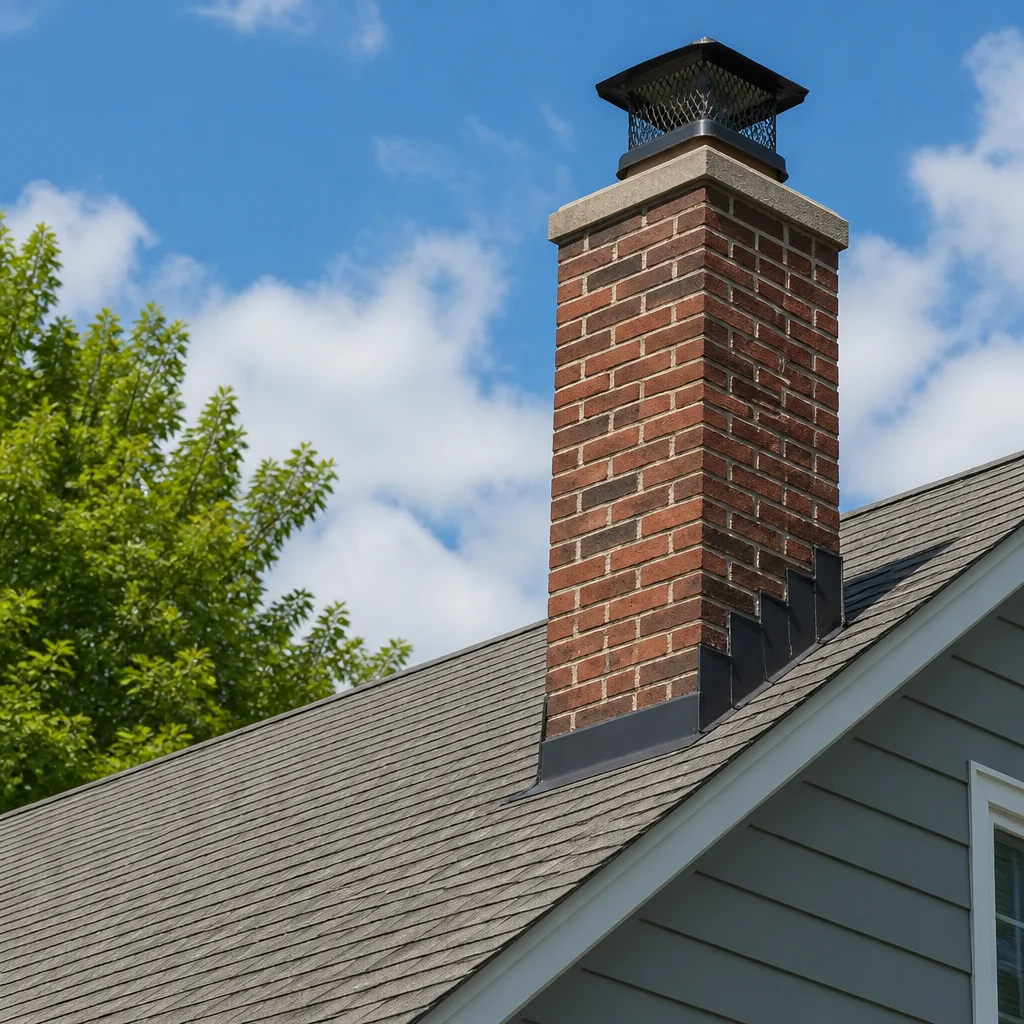 Sweep & inspection
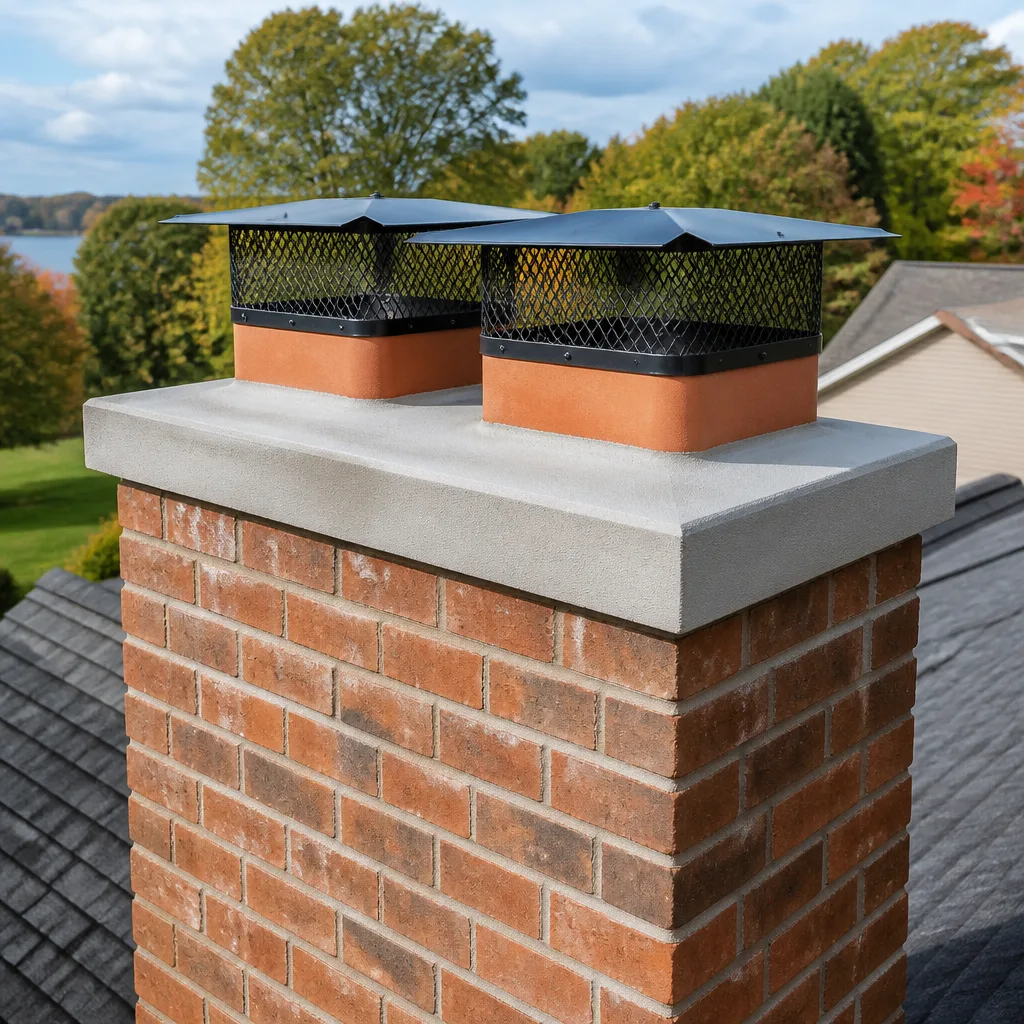 Caps & crowns
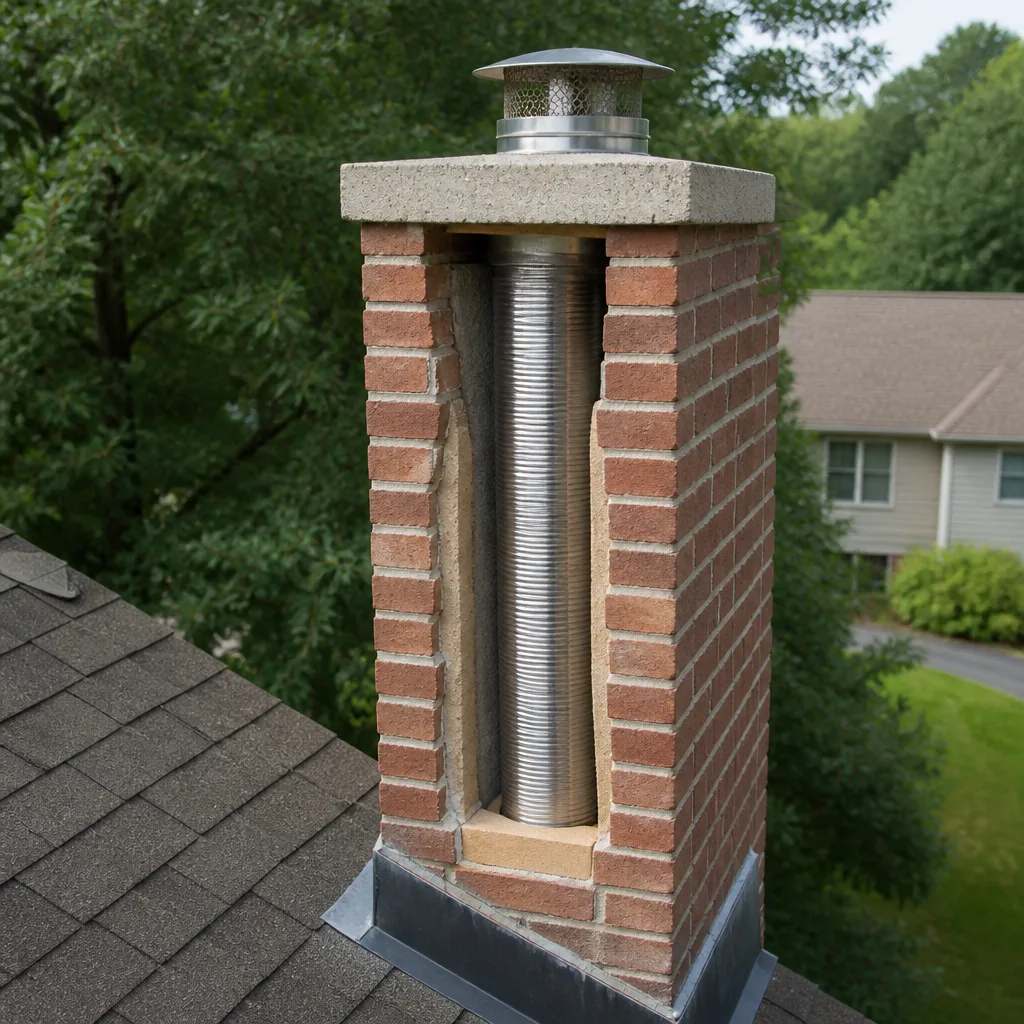 Flue relining
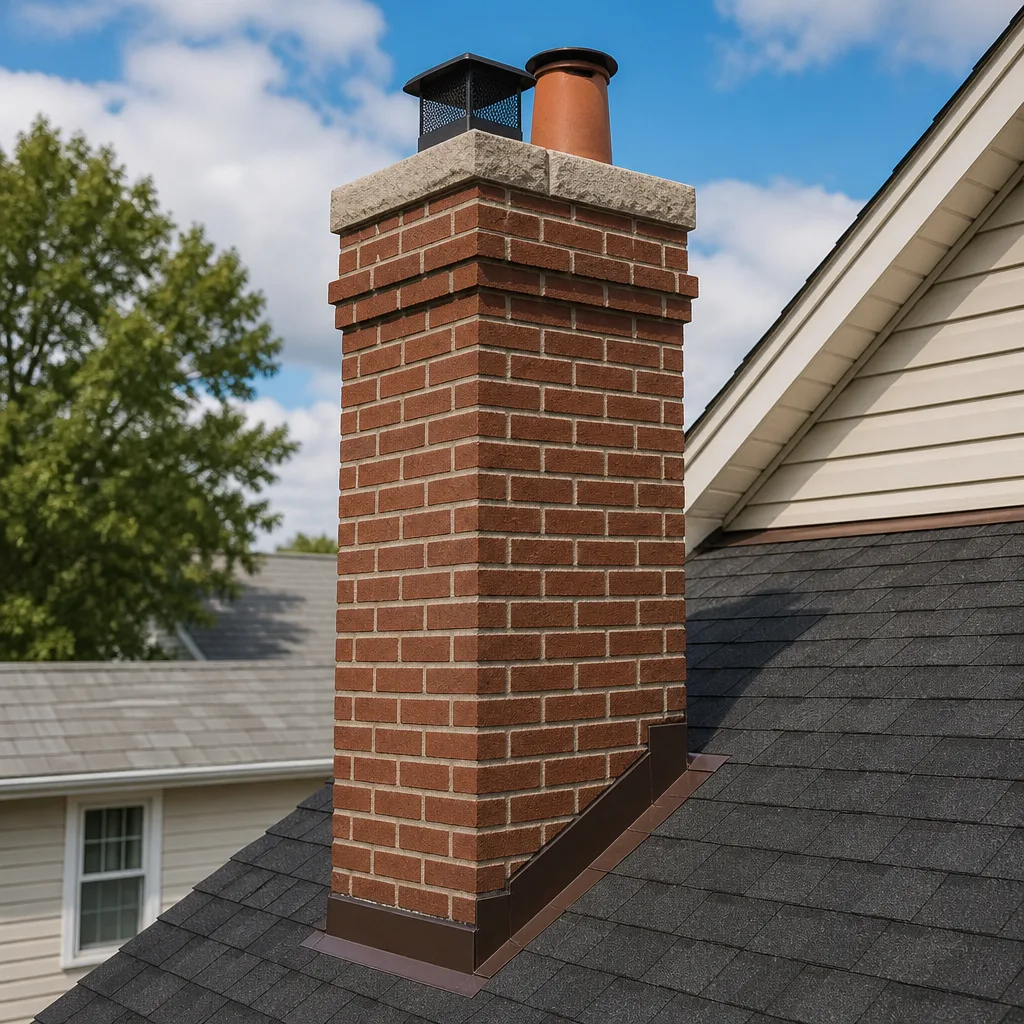 Masonry repair
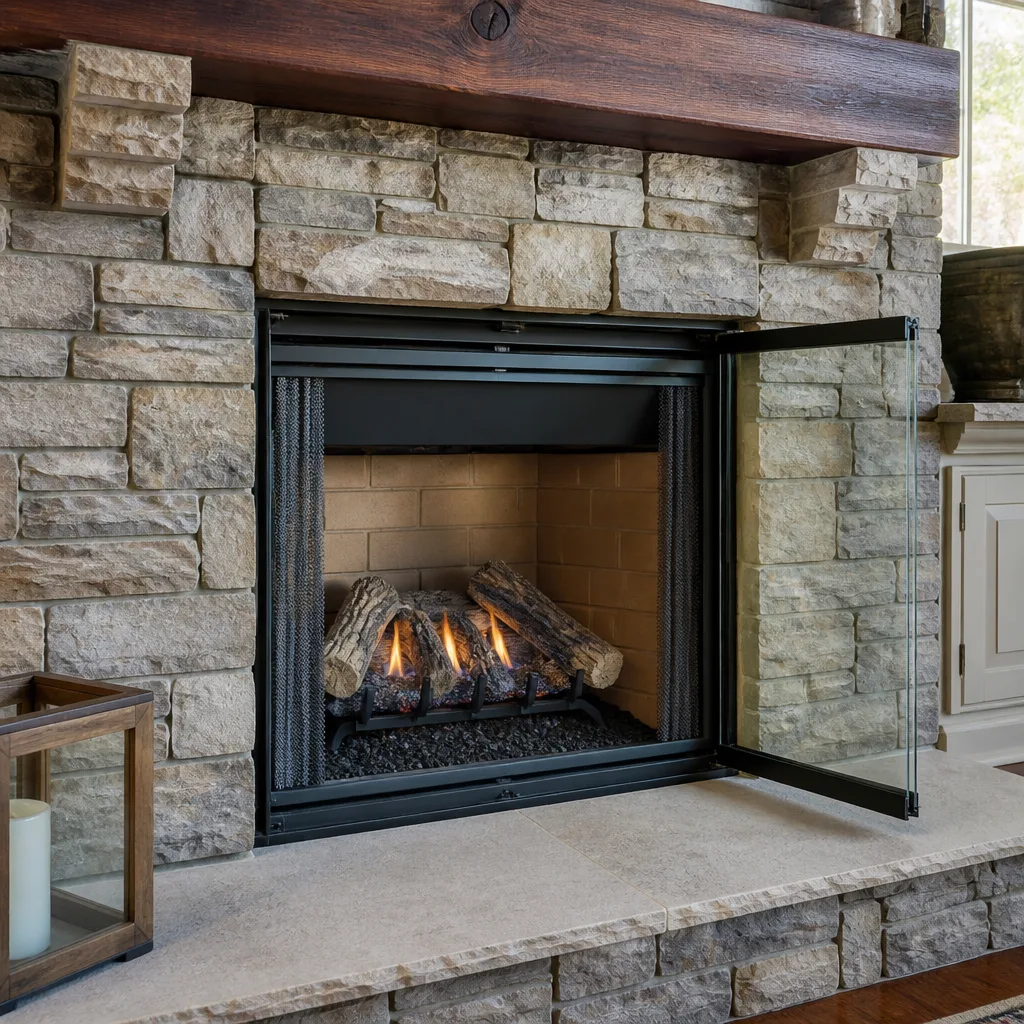 Gas fireplace service
Level 1 sweep and inspection to the NFPA 211 annual standard - flue, crown, cap, and flashing checked and photographed
Chimney sweep logs do not sweep chimneys. They loosen some creosote - which then falls where a brush and vacuum still have to collect it.
Chimney Cleaning Permits, Codes & Inspections in Sunnyvale, CA: What You Need to Know
Most Sunnyvale homeowners assume a chimney cleaning is a purely routine maintenance visit with no paperwork attached. The cleaning itself is exempt from permitting. But the moment a sweep finds a cracked flue tile, a deteriorated liner, or a firebox in need of rebuilding, you step across a line that most people don’t see until it’s too late. Unpermitted chimney repair work on a Sunnyvale property is a disclosed defect under California real estate law, and it has killed more than one home sale in escrow. This guide walks you through exactly where the permit line sits in Sunnyvale, which codes govern chimney work in Santa Clara County, and how to protect yourself whether you’re maintaining a home or about to buy one.
Quick Answer
Chimney sweeping and routine cleaning in Sunnyvale do not require a permit. However, structural repairs, liner replacement or relining, firebox rebuilding, and certain cap or crown modifications are permitted alterations under Sunnyvale’s municipal code, which follows California’s adoption of NFPA 211 and the California Fire Code. Skipping a required permit can create a disclosure problem at resale and may complicate insurance claims after a chimney fire.
Styles & brands we work with
- Sweep & inspection
- Caps & crowns
- Flue relining
- Masonry repair
- Gas fireplace service
Table of Contents
- What Chimney Work Requires a Permit in Sunnyvale?
- How NFPA 211 and California Fire Code Section 603 Apply
- When a Level 2 Inspection Becomes Part of the Permit Process
- BAAQMD Wood-Burning Rules and Chimney Modification Decisions
- How to Pull Chimney Permit History Before Buying a Sunnyvale Home
- Cleaning vs. Repair: Why the Distinction Matters More Than You Think
- What a Sunnyvale Chimney Inspection Actually Covers
- What to Expect: Cost, Timeline, and the Written Estimate
What Chimney Work Requires a Permit in Sunnyvale?
The Sunnyvale Building Division draws a practical line between maintenance and alteration. A routine chimney sweep, which removes soot and creosote from the flue, is maintenance. So is a visual inspection of the firebox and smoke chamber. Neither requires a building permit. The moment the work changes the structure, the materials, or the venting characteristics of the chimney system, Sunnyvale treats it as an alteration, and alterations need permits.
Here is what typically requires a building or mechanical permit in Sunnyvale:
- Full liner replacement or relining: Pulling out a damaged clay tile liner and installing a stainless steel liner, including DuraFlex flexible liner systems, is an alteration. This is true even though the chimney’s exterior appearance doesn’t change.
- Firebox rebuilding: If the masonry firebox needs to be reconstructed because of cracked firebrick or compromised mortar joints, Sunnyvale’s Building Division considers this structural work.
- Chimney cap installation that alters venting: A standard rain cap replacement is usually maintenance. But if the cap changes the draft characteristics, the flue size, or the termination height, it crosses into alteration.
- Crown repair or rebuilding: A crown that is patched with sealant is maintenance. A crown that is demolished and re-poured is structural.
- Smoke chamber parging with a material change: If a sweep applies a material like HeatShield to resurface the smoke chamber or flue, whether a permit is needed depends on scope. HeatShield restoration that resurfaces damaged flue tiles without changing the liner’s dimensions is often treated as a repair rather than a replacement, but Sunnyvale inspectors may ask for documentation.
What is explicitly exempt in Sunnyvale? Routine sweeping, creosote removal, minor mortar repointing on the exterior chimney stack, damper repair, and rain cap replacement of the same size and design. If you are unsure whether your job needs a permit, call the Sunnyvale Building Division before work starts. The worst position to be in is discovering a permit was required after the work is done.
How NFPA 211 and California Fire Code Section 603 Apply
California adopts NFPA 211, the Standard for Chimneys, Fireplaces, Vents, and Solid Fuel-Burning Appliances, as the technical backbone for residential chimney work. The California Fire Code, specifically Section 603, adds state-level requirements for inspection, clearance to combustibles, and maintenance. Sunnyvale enforces both through its municipal code, which is why the city’s requirements mirror what you’ll find across Santa Clara County.
The practical implications for a Sunnyvale homeowner are straightforward:
- Inspection frequency is tied to use, not to the calendar. NFPA 211 says chimneys should be inspected at least once a year and cleaned whenever creosote buildup reaches a certain thickness. For a wood-burning fireplace used regularly through the mild Sunnyvale winters, that usually means annual cleaning.
- Clearance to combustibles is a code issue, not a suggestion. Section 603 requires specific distances between the chimney, the flue, and any wood framing, insulation, or other combustible material. An older Sunnyvale home where insulation was added around the chimney chase may no longer meet clearance requirements.
- Damaged liners are a code violation, not a cosmetic concern. NFPA 211 requires that a flue liner be intact and properly sized. A cracked tile liner in a home built in the 1960s or 1970s, common in Sunnyvale’s older neighborhoods, is technically a non-compliant condition until repaired or relined.
- Unlisted appliances are not permitted in new installations. If you replace a wood-burning stove or insert, the new appliance must be listed and installed to the manufacturer’s specifications, which NFPA 211 incorporates by reference.
For most homeowners, the takeaway is that code compliance is not something that only matters during a remodel. A chimney system that drifts out of compliance over time is still a code issue, and in our experience, it often surfaces during a Chimney Cleaning Sunnyvale visit when a sweep notice something that a previous owner never addressed.
When a Level 2 Inspection Becomes Part of the Permit Process
A Level 2 inspection is more thorough than a standard visual check. Where a Level 1 inspection covers the readily accessible portions of the chimney, a Level 2 includes video scanning of the flue interior, attic access points, and the exterior above the roofline. Sunnyvale may require a Level 2 inspection report as supporting documentation for certain permit applications, particularly when a liner replacement or firebox rebuild is involved.
Here is how the inspection report factors into the permit process:
- Documentation of existing conditions: The report establishes the baseline condition of the flue before work starts. If a Sunnyvale inspector asks whether the liner was actually damaged, the video scan answers that question with evidence, not opinion.
- Verification of the proposed repair scope: A permit application that says “liner replacement” is easier to approve when the Level 2 report shows exactly which flue tiles are cracked and how far the damage extends.
- Insurance claims: If a chimney fire or water intrusion has damaged the liner, the insurance carrier will typically want a Level 2 report before paying a claim. The report becomes part of the permanent record for the property.
- Resale disclosure: A Level 2 report done before a sale gives the buyer a clear picture of the chimney system’s condition. In Sunnyvale, where many homes are older and chimney systems have not been updated, this report can be the difference between a smooth transaction and a renegotiation.
If you are preparing to sell a Sunnyvale home, getting a Level 2 inspection done before listing is a smart move. It surfaces problems before the buyer’s inspector does, and it gives you time to get permitted repair work completed without the pressure of an escrow deadline.
BAAQMD Wood-Burning Rules and Chimney Modification Decisions
The Bay Area Air Quality Management District, or BAAQMD, regulates wood-burning devices across the nine-county Bay Area, including Santa Clara County and Sunnyvale. The rules matter for chimney work because they can change the cost-benefit calculation of repair versus replacement of a wood-burning system.
Under BAAQMD rules, a wood-burning fireplace or stove that is not compliant may not be sold with a home, and on Spare the Air days, burning is prohibited outright. If a chimney needs major work anyway, some homeowners choose to convert a wood-burning fireplace to a gas insert or to remove the appliance entirely. That conversion changes the venting requirements and may mean the chimney no longer needs a full liner replacement.
Here is what a Sunnyvale homeowner should think through:
- If you plan to keep burning wood: The chimney system must be repaired to full compliance, and a permitted liner replacement is often the practical route if the existing flue is damaged.
- If you plan to convert to gas: The existing flue may be adaptable with a properly sized liner, but the venting characteristics change. This is not a maintenance task. A mechanical permit is typically required.
- If you plan to remove the fireplace entirely: The chimney may be abandoned and capped, but this is a structural alteration and requires building permits.
We work with professional-grade materials like Gelco caps and Olympia Chimney components because these products are specified for the conditions BAAQMD and local codes expect. The decision to repair, reline, or convert is a code question as much as a lifestyle question, and the right answer depends on the actual geometry of the flue and the condition of the existing system.
How to Pull Chimney Permit History Before Buying a Sunnyvale Home
If you are buying a home in Sunnyvale, the permit history is part of your due diligence. The city’s Building Division maintains records of issued permits, and those records are available to the public. A chimney that has been relined or rebuilt should have a corresponding permit on file. If the work was done and there is no permit, that is a disclosure problem.
Here is a step-by-step process for checking chimney permit history on a Sunnyvale property:
- Request the property’s permit history from the Sunnyvale Building Division. You will need the property address, and the city may charge a small records fee.
- Look for mechanical permits related to chimney or fireplace work. Liner replacement, insert installation, and firebox rebuilding all fall under mechanical or building permits in Sunnyvale.
- Compare the permit history against the seller’s disclosure statements. If the seller says the chimney was relined in 2016 but there’s no permit from that year, ask for documentation or a written explanation.
- If there is a gap, request a Level 2 inspection before closing. A video scan will show whether the work was actually done, and the inspector can compare what’s visible against what a permitted installation should look like.
- Ask for a compliance letter if the seller claims the work was permitted but the record is missing. In some cases, the Building Division can issue a letter confirming whether a permit was ever pulled for the address.
Missing chimney permits are common in older Sunnyvale neighborhoods where work may have been done before stricter enforcement took effect. But common does not mean harmless. A buyer who discovers unpermitted liner work after closing inherits the liability, and future buyers will ask the same question the seller failed to answer.
Cleaning vs. Repair: Why the Distinction Matters More Than You Think
The distinction between cleaning and repair is not academic. It determines whether the city needs to be involved, whether the work must be done by a licensed contractor, and whether the property’s disclosure file grows by one more document. In Sunnyvale, the line is drawn at whether the work restores the chimney to its existing configuration or changes it.
A cleaning removes combustion byproducts. Creosote, soot, and debris are not structural components, and removing them does not change the chimney. A repair changes the chimney’s materials or dimensions, even if only slightly. Here are some real examples we encounter in Sunnyvale:
- HeatShield resurfacing of a damaged flue tile is a repair that often does not require a permit if the liner’s dimensions are unchanged. It restores the existing liner’s surface rather than replacing it, which is why it is a cost-conscious alternative to full relining. But a Sunnyvale inspector may still want to see the inspection report that documented the damage before the resurfacing was done.
- DuraFlex flexible liner installation is a permitted alteration. It replaces the existing liner with a new stainless steel system, and Sunnyvale treats that as a mechanical permit item. The benefit of a flexible liner system is that it conforms to flues with offsets or unusual geometry, so a chimney that would otherwise require major demolition can often be relined without tearing out the masonry.
- Crown recoating is maintenance. Crown rebuilding is repair. The first keeps the crown sealed; the second replaces its structural layer. The permit requirement changes between the two.
- Chimney cap replacement with the same size and model is maintenance. Chimney cap installation with a different draft or termination height is repair. The second changes how the chimney vents.
When a sweep finds a problem during a routine cleaning in Sunnyvale, the homeowner should ask one question: “Is this a cleaning issue or a repair issue?” The answer determines everything that follows, including cost, timeline, and whether the city gets involved.
What a Sunnyvale Chimney Inspection Actually Covers
A proper chimney inspection in Sunnyvale goes beyond shining a flashlight up the flue. The inspection should follow the three-level framework established by NFPA 211, and most homeowners need to understand what each level involves before they book a visit.
Level 1: This is the standard inspection performed during a routine chimney sweep. The technician examines the readily accessible portions of the chimney interior and exterior, checks the flue for creosote buildup and obstruction, and verifies that the damper operates. Level 1 is what most annual maintenance calls involve.
Level 2: This inspection adds a video scan of the flue interior, an attic access check, and an exterior roof-level assessment. Level 2 inspections are required when the property is being sold, when the use of the fireplace changes, or when an event like a chimney fire, earthquake, or lightning strike may have damaged the system. In Sunnyvale, where many homes date from the mid-20th century, Level 2 video scans have revealed cracked tiles, missing mortar, and improperly sized liners that a Level 1 visual check simply cannot see.
Level 3: This is an invasive inspection that requires removing portions of the chimney or adjacent structure to access concealed areas. Level 3 is rare and is typically reserved for situations where a serious problem is suspected but cannot be confirmed any other way. A Sunnyvale homeowner will almost never need a Level 3 inspection unless a Level 2 has already uncovered something significant.
In our experience, the video scan is the single most valuable part of a Level 2 inspection. It shows the homeowner exactly what we see, and it creates a documented baseline that matters for permits, insurance claims, and future resale. We do not recommend repair work without camera evidence the homeowner can see for themselves.
What to Expect: Cost, Timeline, and the Written Estimate
Sunnyvale homeowners usually want to know two things when a chimney repair is on the table: what it costs and how long it takes. The honest answer is that both depend on the scope, but there are general ranges that apply to most residential work in this area.
A routine chimney cleaning in Sunnyvale typically falls in the range of $200 to $350, depending on the chimney’s accessibility and the amount of creosote buildup. A Level 2 video inspection typically adds $150 to $300. Liner replacement with a DuraFlex system or similar stainless steel liner starts higher, typically in the $2,500 to $5,000 range depending on flue height and access. HeatShield restoration, where applicable, can run less than full replacement. Firebox rebuilding or crown rebuilding are separate line items and vary widely based on the masonry scope.
Here is what those costs typically include:
- Equipment and materials: Professional-grade products from manufacturers like Famco and Copperfield are not the same as hardware-store substitutes. The material cost is part of what separates a permitted, warrantied repair from a patch job.
- Labor and access: A single-story Sunnyvale rancher with a low-pitch roof is easier to access than a two-story home with a steep roof. Access difficulty shows up in the estimate.
- Permit fees: Sunnyvale’s Building Division charges fees for mechanical and building permits. The fee is modest compared to the cost of the work, but it is part of the total.
- Inspection documentation: A Level 2 report, if required, is a separate line item. It is worth the cost because it becomes part of the property record.
Every job we quote gets a written estimate before any work begins. The estimate is free, and the price is set per job by that written estimate. There is no service-call fee and no diagnostic charge, and nothing gets recommended without camera evidence you can see for yourself.
Common Mistakes to Avoid
- Assuming a chimney cleaning covers repairs. A sweep removes creosote. It does not fix a cracked liner or a failing crown. If a sweep finds damage, the repair is a separate job with its own scope and potentially its own permit.
- Skipping the permit on a liner replacement. In Sunnyvale, relining a chimney is an alteration, not maintenance. Unpermitted liner work is a disclosed defect under California real estate law, and it has killed home sales in escrow.
- Ignoring BAAQMD rules when deciding between repair and conversion. If you plan to keep burning wood, the system must comply. If you convert, the venting requirements change. Either way, the decision affects the permit path.
- Buying a Sunnyvale home without checking chimney permit history. Missing permits are easy to spot if you request the property file. A Level 2 inspection before closing is inexpensive insurance against inheriting someone else’s unpermitted work.
- Accepting a verbal quote without a written estimate. A written estimate sets the scope, the materials, and the price. If a chimney company will not put it in writing, find one that will.
- Treating a Level 1 inspection as sufficient for a home purchase. A Level 2 video scan sees what a flashlight cannot. In older Sunnyvale homes, the difference between the two has changed the outcome of more than one real estate transaction.
- Delaying repair because the fireplace works. A chimney can function while the liner is cracked or the crown is failing. The safety risk grows over time, and the repair cost does not go down by waiting.
See the difference
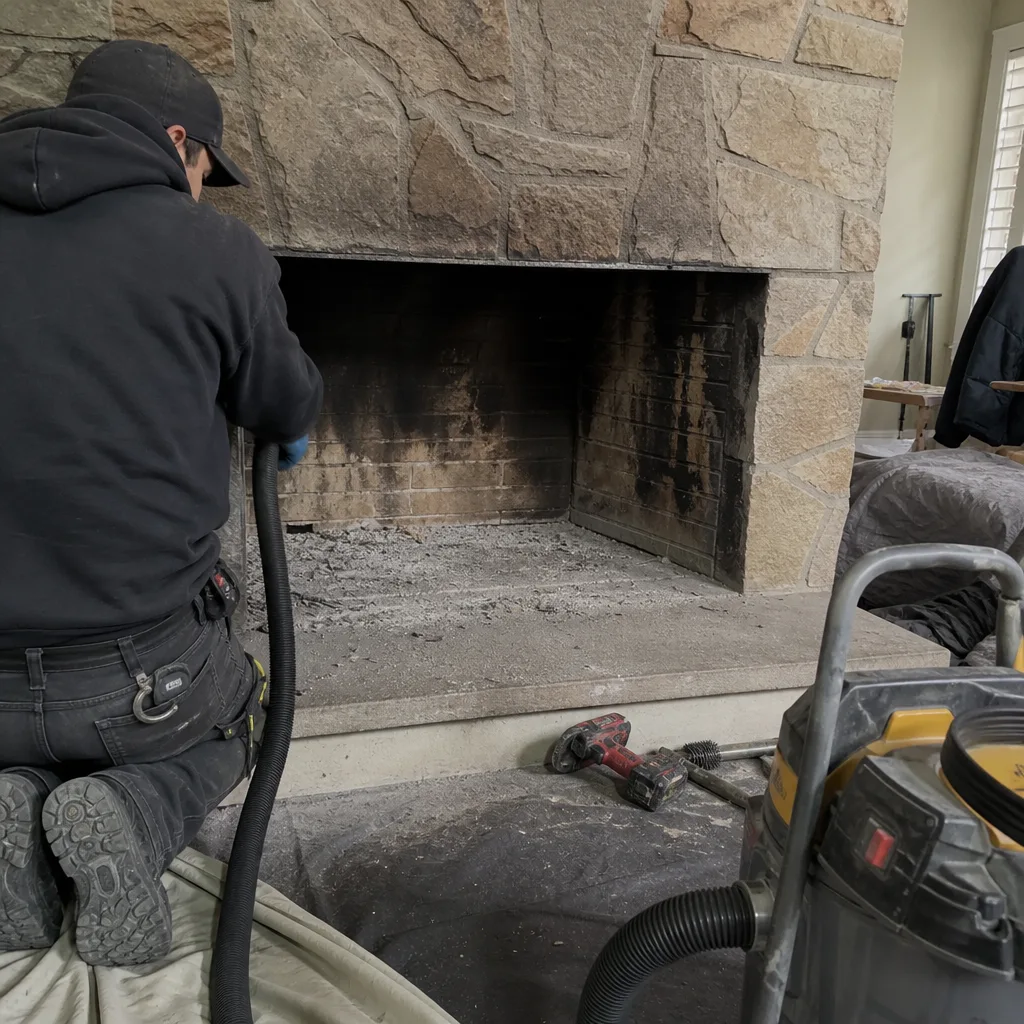 Before
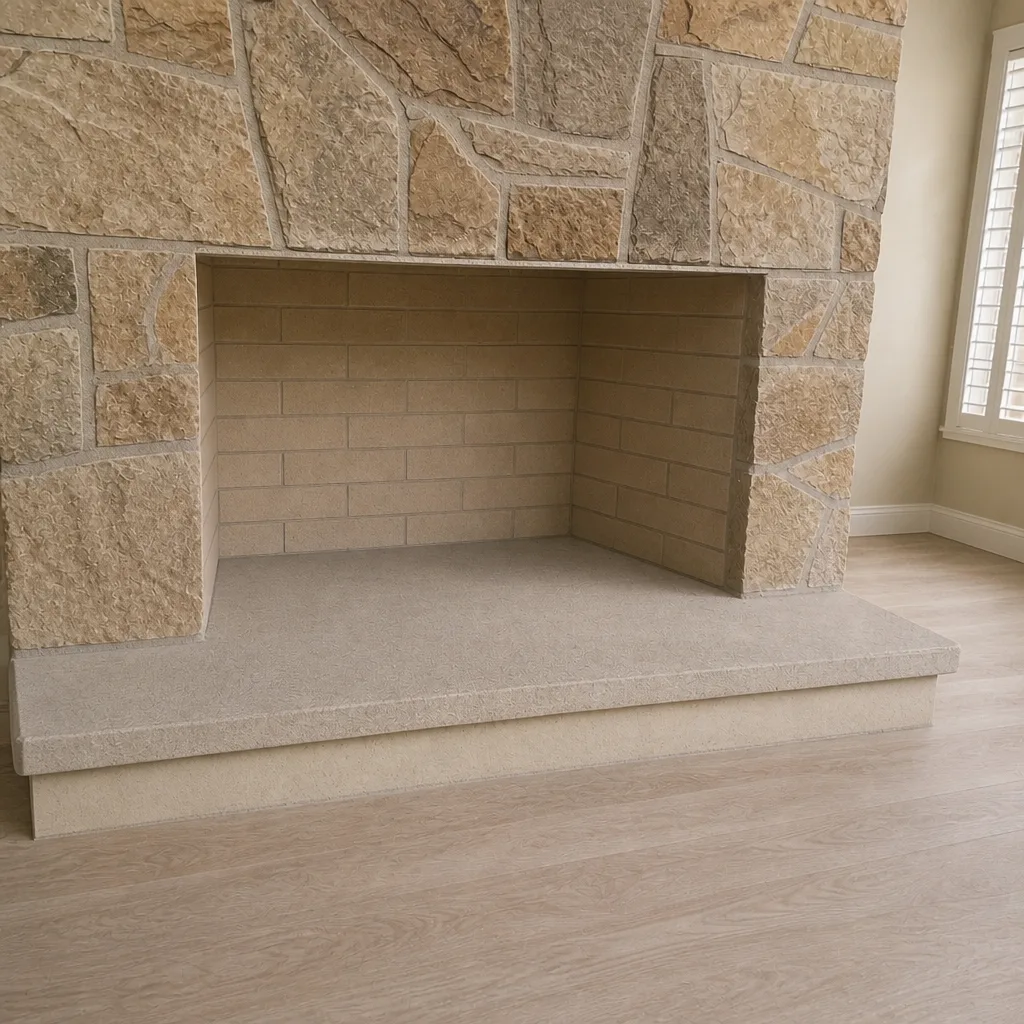 After
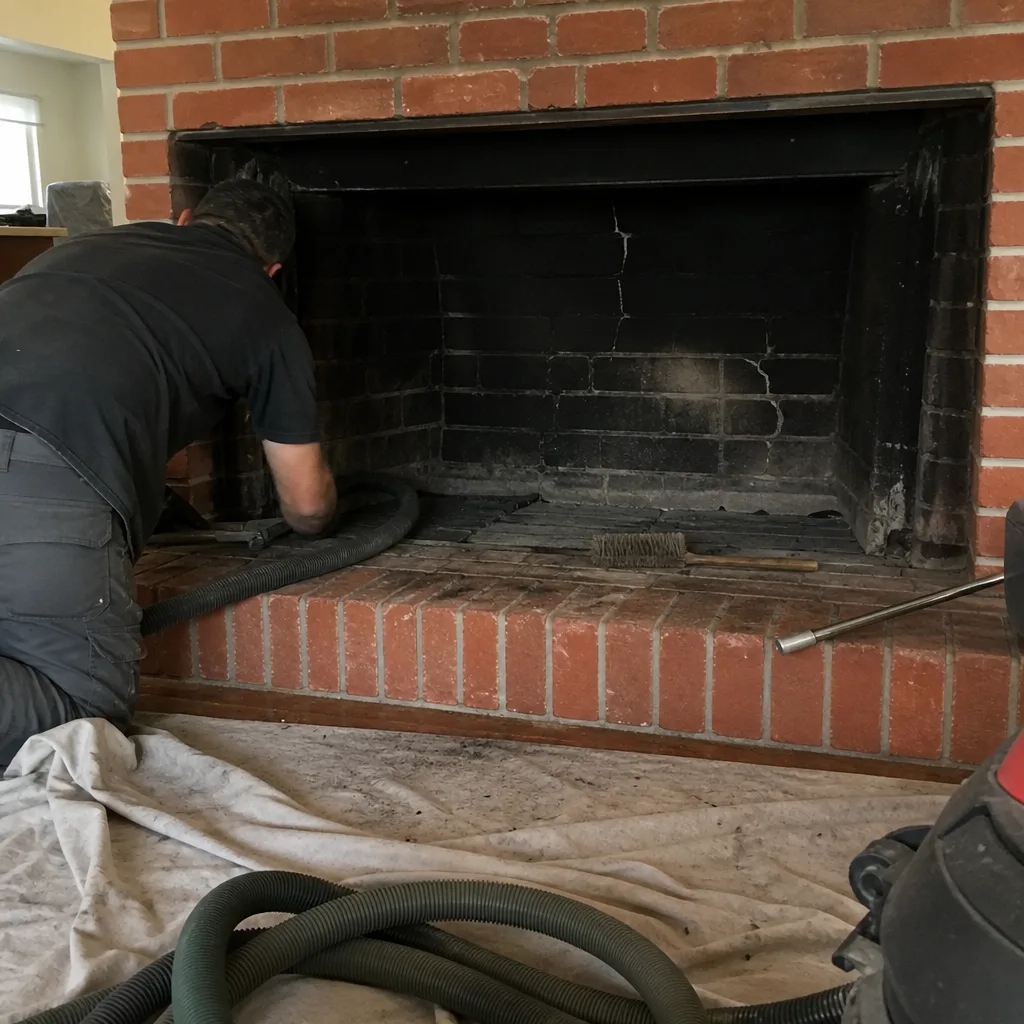 Before
 After
 Before
 After
When to Call a Professional
If a chimney cleaning in Sunnyvale uncovers cracked flue tiles, a deteriorated liner, or a firebox that needs rebuilding, the permit conversation starts. If you are buying a home and the chimney permit history is incomplete, get a Level 2 inspection before you close. If you are selling and you know the chimney has not been inspected in years, do it before you list. These are the situations where a professional’s camera evidence, material knowledge, and familiarity with Sunnyvale’s permit process pay for themselves.
Chimney Cleaning Sunnyvale offers free estimates in Sunnyvale. We handle chimney sweeping, chimney repair, and dryer vent cleaning as a single-source provider, so one visit can address both of the most common fire-risk venting systems in your home. Call (833) 593-7116. We answer 24/7. Fast dispatch from 7am to 7pm, Sunday through Friday.
Frequently Asked Questions
No. Routine chimney sweeping and creosote removal are maintenance tasks and are exempt from Sunnyvale’s permit requirements. A permit is only triggered when the work changes the chimney’s structure, materials, or venting characteristics.
Yes. Liner replacement, including stainless steel relining with a DuraFlex system, is a permitted alteration under Sunnyvale’s municipal code, which follows NFPA 211 and the California Fire Code. Unpermitted liner work becomes a disclosure issue at resale.
A typical chimney cleaning in Sunnyvale runs between $200 and $350, with a Level 2 video inspection adding roughly $150 to $300 if needed. The final price is set per job by a written estimate, and the estimate itself is free. Call (833) 593-7116 for an exact quote.
A Level 1 inspection covers the readily accessible portions of the chimney during a routine cleaning. A Level 2 inspection adds a video scan of the flue interior, an attic access check, and a roof-level exterior assessment. Level 2 is required for home sales and after events like chimney fires or earthquakes.
BAAQMD regulates wood-burning devices across the Bay Area, including Sunnyvale. If you plan to keep burning wood, repairs must return the system to code compliance. If you convert to gas or remove the fireplace, the venting requirements and permit path change accordingly.
NFPA 211 recommends annual inspection and cleaning whenever creosote buildup reaches a certain thickness. For a wood-burning fireplace used regularly through Sunnyvale’s mild winter season, that typically means a cleaning once a year, usually in late summer or early fall before burning season begins.
The Bottom Line
The permit line in Sunnyvale sits between maintenance and alteration. A cleaning is maintenance. A liner replacement, firebox rebuild, or cap change that alters venting is an alteration, and alterations need permits. The codes that govern this work are NFPA 211 and California Fire Code Section 603, enforced through Sunnyvale’s Building Division, with BAAQMD adding air-quality rules for wood-burning devices. Whether you are maintaining a home or buying one, the smart move is the same: get the inspection done, get the report in writing, and if repair work is needed, make sure the permit path is clear before the work starts. The written estimate is free, and the camera evidence is yours to keep.
Written by the team at Chimney Cleaning Sunnyvale, serving Sunnyvale since 2014.