
Last updated November 4, 2026
 Sweep & inspection
 Caps & crowns
 Flue relining
 Masonry repair
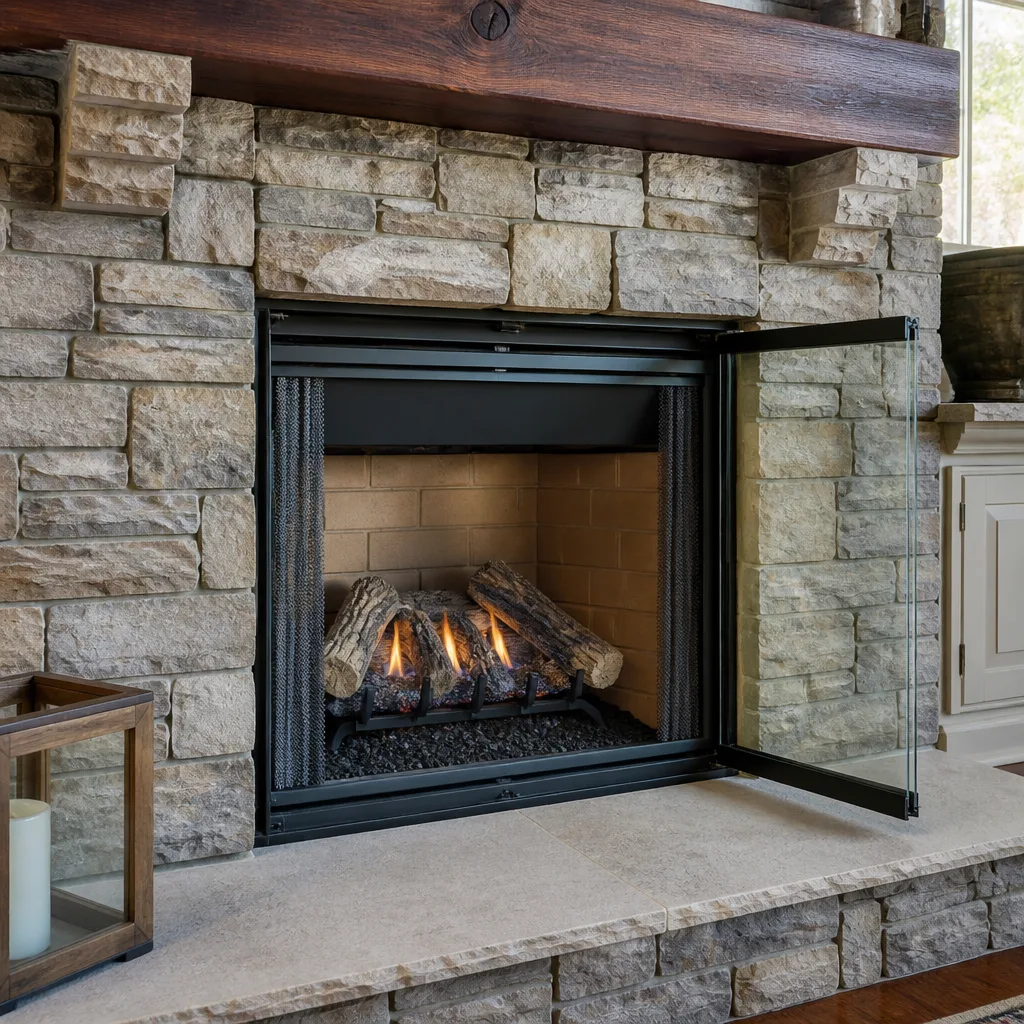 Gas fireplace service
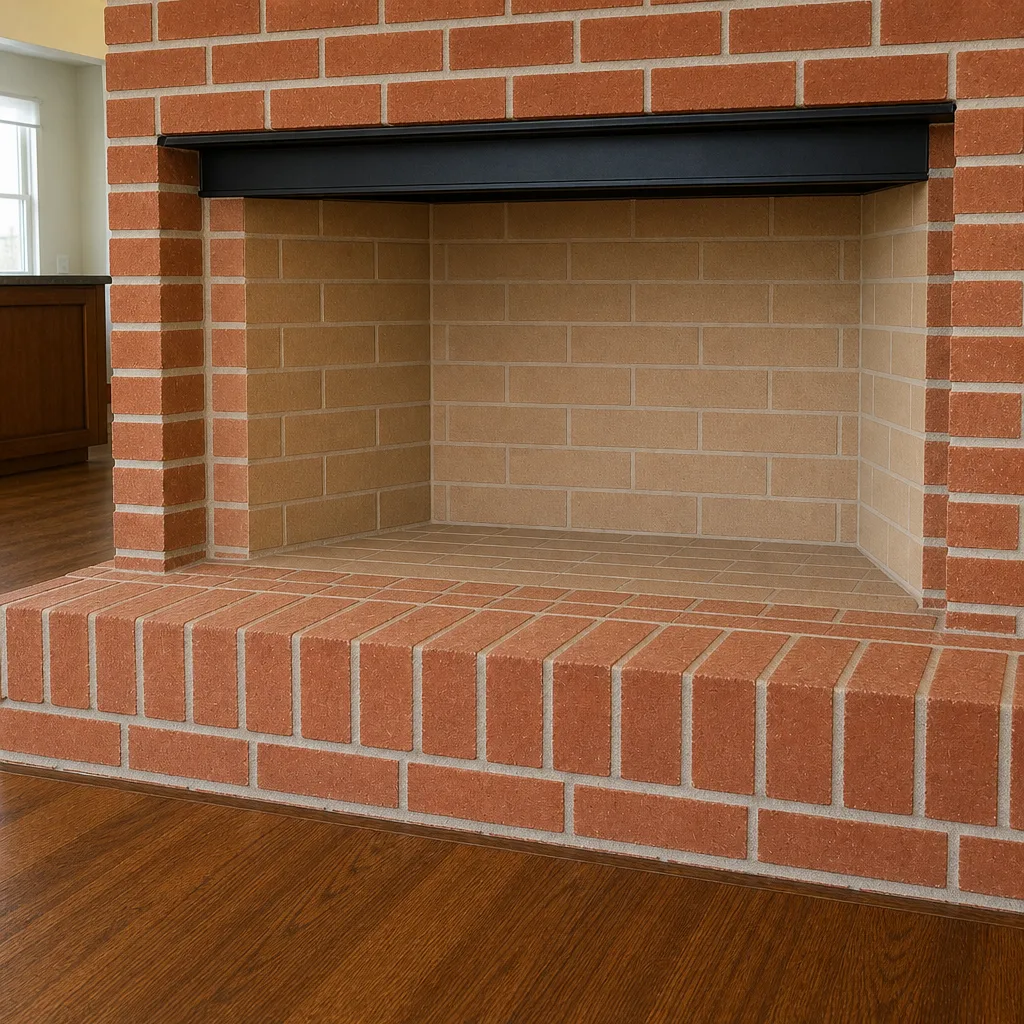
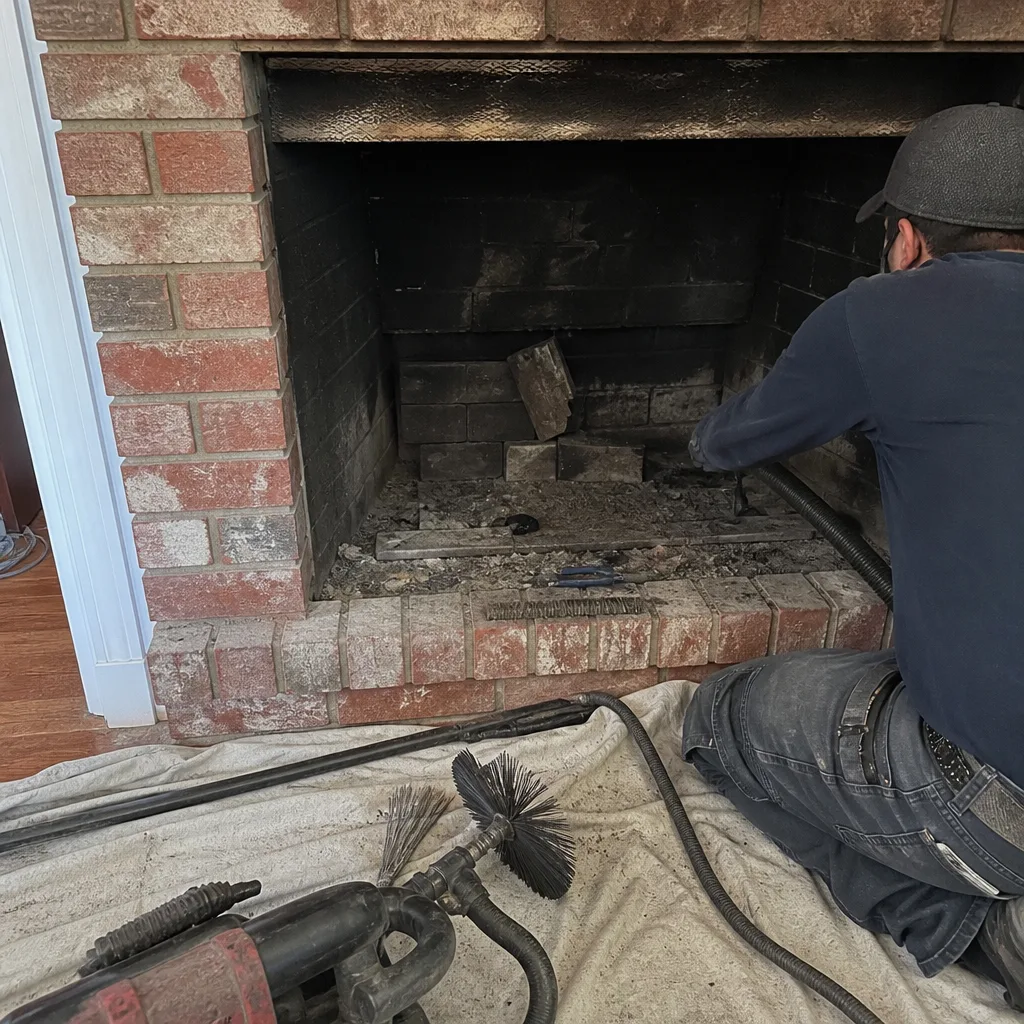
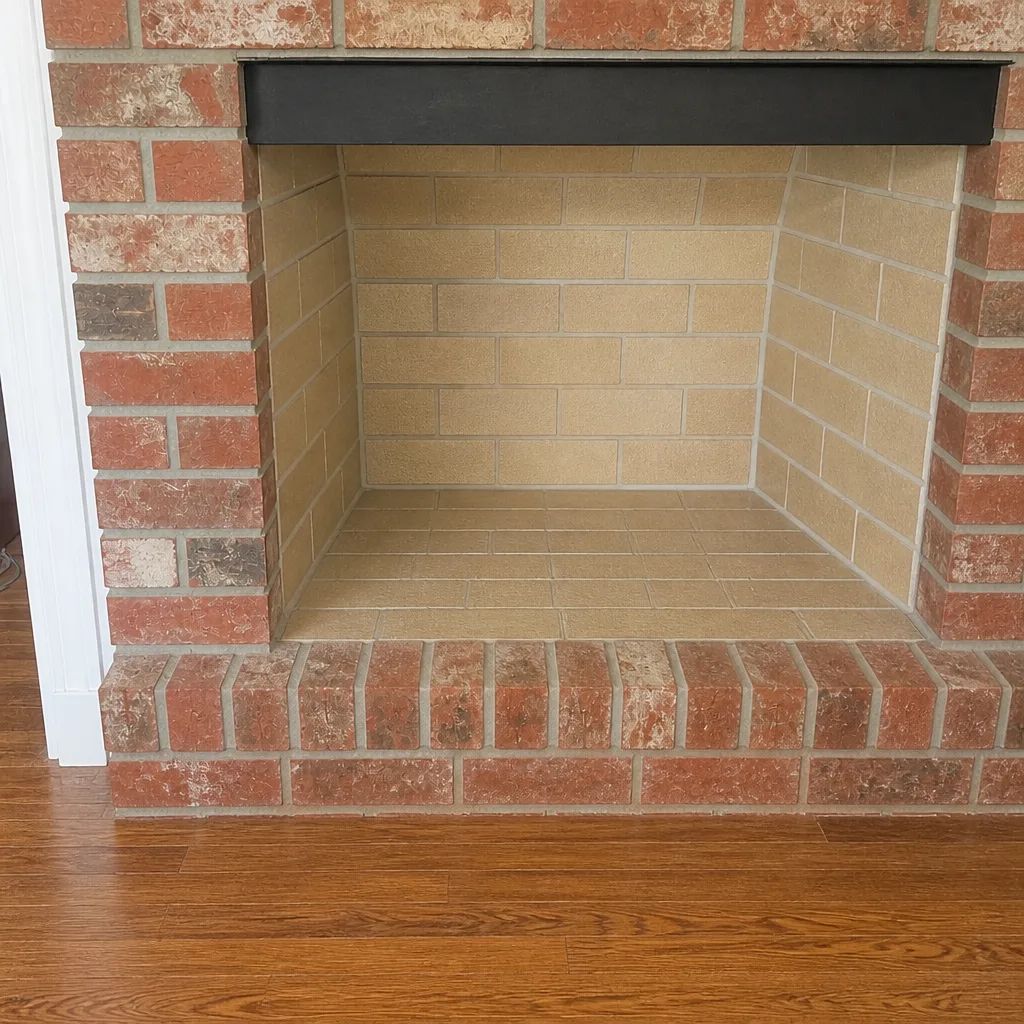
Level 1 sweep and inspection to the NFPA 211 annual standard - flue, crown, cap, and flashing checked and photographed
Chimney sweep logs do not sweep chimneys. They loosen some creosote - which then falls where a brush and vacuum still have to collect it.
Chimney Sweep Troubleshooting in Sunnyvale: Common Problems and How to Fix Them
Most Sunnyvale homeowners misdiagnose chimney problems as draft issues when the real culprits are often structural: cracked flue tiles, failed dampers, or debris blockages that no amount of airflow adjustment will fix. A smoky fireplace isn’t a draft problem most of the time. It’s a blockage, a cracked tile, or a damper that’s warped shut, and chasing the wrong fix wastes money while leaving a hazard in place. This guide teaches you to read the actual symptoms so you stop treating surface signs and start solving the right problem. You’ll learn how to distinguish draft problems from structural ones, what visible smoke behavior actually tells you, and when a repair needs professional-grade materials rather than a quick patch.
Quick Answer
Chimney problems in Sunnyvale fall into three categories: blockages (creosote, debris, animal nests), structural damage (cracked flue tiles, failed dampers, deteriorated mortar joints), and draft issues (negative air pressure, flue sizing). Most symptoms homeowners attribute to poor draft are actually structural or blockage problems that require a camera inspection to diagnose correctly. A professional chimney sweep with video inspection equipment can identify the root cause in one visit and recommend the right fix, from a standard sweeping to HeatShield flue resurfacing.
Styles & brands we work with
- Sweep & inspection
- Caps & crowns
- Flue relining
- Masonry repair
- Gas fireplace service
Table of Contents
- Why Your Fireplace Smokes When You Light a Fire
- Creosote Buildup in Sunnyvale’s Mild Climate: Why It Happens
- Cracked Flue Tiles: How to Spot the Signs Without Guessing
- White Staining on Firebox Walls: What Efflorescence Actually Means
- Damper Problems: Stuck, Warped, or Missing
- Draft Issues vs. Structural Problems: How to Tell Them Apart
- When a DIY Fix Works and When You Need a Professional Liner
- Common Mistakes to Avoid
- When to Call a Professional
- Frequently Asked Questions
Why Your Fireplace Smokes When You Light a Fire
A fireplace that pours smoke into the living room is the most common complaint we hear from Sunnyvale homeowners, and it’s also the most frequently misdiagnosed. Before you open windows or adjust the damper, understand that smoke behavior is diagnostic: where the smoke goes and when it appears tells you more than any guesswork.
If smoke enters the room only when you first light the fire, the flue is probably cold and the warm air inside your home is pushing down the chimney. This is a draft problem with a simple fix: prime the flue by holding a lit rolled newspaper near the open damper for thirty seconds before lighting the main fire. If the smoke continues after the flue warms up, the problem is rarely draft-related.
Smoke that enters the room throughout the burn, especially when the fire is well-established, points to a physical obstruction. In Sunnyvale, where mature trees are common in neighborhoods like Cherry Chase and Ortega Park, creosote glazing and leaf debris are frequent culprits. Birds and squirrels also build nests in uncapped chimneys, and a nest can reduce flue opening enough to force smoke backward. In our experience, a camera inspection almost always reveals a blockage or a structural issue when smoke persists past the first few minutes.
Another overlooked cause is flue sizing. If the firebox opening is large relative to the flue diameter, the chimney cannot move enough air to pull smoke upward efficiently. This is a design issue that requires a properly sized liner, often a DuraFlex flexible liner system installed to match the flue’s actual geometry. The point is this: persistent smoke is a symptom, not the problem itself. Diagnose before you adjust anything.
Creosote Buildup in Sunnyvale’s Mild Climate: Why It Happens
It’s easy to assume that Sunnyvale’s mild winters mean less creosote accumulation. The opposite is often true. Creosote forms when wood smoke condenses on a cool flue surface, and our climate creates exactly the conditions that drive condensation: relatively warm outdoor temperatures mean the temperature difference between the fire and the outside air is smaller than in colder regions. The flue stays cooler, and smoke condenses faster.
Infrequent use compounds the problem. A fireplace that gets lit a handful of times each season never develops the sustained heat that burns off early-stage creosote. Instead, each short fire deposits a fresh layer of condensation, which then hardens and becomes glazed. In our work across Sunnyvale, we routinely find significant creosote accumulation in fireplaces that homeowners describe as barely used.
Creosote exists in three stages, and each requires a different removal approach:
- Stage 1: Light, flaky soot that brushes off easily. This is what a standard sweeping removes.
- Stage 2: Harder, granular deposits that require mechanical agitation with specialized tools.
- Stage 3: Glazed, tar-like creosote that resists brushing and often requires chemical treatment followed by aggressive mechanical removal.
Stage 3 creosote is the fire hazard. It burns at extremely high temperatures and can ignite inside the flue, cracking tiles and spreading heat through the masonry. A professional Chimney Cleaning Sunnyvale sweep should address stage 2 and stage 3 deposits. No amount of store-bought cleaning logs will remove glazed creosote, and burning one in a dirty chimney can actually loosen deposits without removing them, creating a fresh blockage risk.
Cracked Flue Tiles: How to Spot the Signs Without Guessing
Cracked flue tiles are the structural problem most commonly missed during a visual-only inspection. The flue liner sits inside the chimney and isn’t visible from the firebox or the rooftop without proper equipment, so homeowners often live with cracked tiles for years without knowing it. The signs are there if you know what to look for.
Here’s what a cracked tile produces that a dirty tile doesn’t:
- Pieces of tile in the firebox: Small clay fragments, typically flat and angular, appearing at the base of the firebox after a fire. This is the clearest indicator, because clay tiles don’t shed unless they’re breaking apart.
- Smoke odor in the house even when the fireplace isn’t in use: Cracks let smoke and gases escape into the chimney cavity, and from there into wall spaces or adjacent rooms. A clean chimney rarely smells when cold.
- Visible staining on exterior walls near the chimney: Bypassed smoke leaves dark residue on drywall or siding adjacent to the chimney chase.
- Reduced draft despite a clean flue: If the chimney draws poorly after a professional sweeping, cracked tiles disrupt the smooth airflow path and create turbulence.
None of these signs confirms a crack on its own. The only definitive diagnosis is a camera inspection, which feeds a small video camera down the full length of the flue and records the condition of every tile. This is standard practice for any competent chimney company, and the video should be shown to you so you can see the crack yourself. If a company recommends a full liner replacement without showing you camera footage, get a second opinion.
When cracks are confirmed, the right fix depends on severity. Minor cracking can often be addressed with HeatShield resurfacing, a specialized ceramic material applied to the interior of the flue that seals cracks and restores a smooth, fire-resistant surface. More extensive damage may require a stainless liner, such as a DuraFlex flexible liner system, which can accommodate chimneys with offsets or unusual geometry. No legitimate repair should be sold without camera evidence you can review.
White Staining on Firebox Walls: What Efflorescence Actually Means
If you’ve noticed white, chalky staining on the inside of your firebox or on the exterior brick of your chimney, you’re looking at efflorescence. It’s not a cosmetic blemish. Efflorescence is a moisture symptom, and it means water is moving through the masonry.
Here’s the mechanism. Bricks and mortar are porous. When water enters the chimney system, whether through a failed crown, cracked cap, or deteriorated mortar joints, it dissolves salts naturally present in the masonry. The water then migrates to the surface and evaporates, leaving the salt deposits behind as white staining. The stain itself is harmless. The water movement behind it is not.
In Sunnyvale, efflorescence typically appears for a few predictable reasons:
- Failed chimney crown: The concrete crown at the top of the chimney can crack over years of sun exposure, allowing rainwater to seep into the masonry below.
- Missing or damaged chimney cap: Without a cap, rain falls directly into the flue and can soak the interior masonry.
- Deteriorated mortar joints: Older chimneys with crumbling mortar let water penetrate between bricks, which also accelerates further mortar deterioration.
- Faulty flashing: Where the chimney meets the roofline, damaged flashing allows roof runoff to enter the chimney chase.
Ignoring efflorescence means ignoring water intrusion, and water is the enemy of every chimney system. When water soaks into the structure repeatedly, it degrades mortar, rusts dampers, and can cause spalling: the face of brick flaking off entirely. The fix starts with finding the water entry point. A professional inspection that includes the crown, cap, flashing, and mortar joints will identify where the water is getting in. Repairs might include crown sealing, cap replacement, or tuckpointing, but the water source must be addressed before any cosmetic repair makes sense.
Damper Problems: Stuck, Warped, or Missing
The damper is the mechanical gate between your living room and the outdoors, and it’s one of the most failure-prone components on any fireplace. It sits directly above the firebox, where it’s exposed to high heat, smoke, and moisture. Over years of use, dampers warp, rust, and seize in place. Some get so coated in creosote they refuse to move at all.
Symptoms of a damper problem are often misread as something else. If you feel cold air pouring into the house when the fireplace isn’t in use, the damper is likely stuck open or has warped enough that it no longer seals. If you struggle to light a fire because smoke backs up immediately, the damper may be stuck mostly closed. If the handle spins freely without resistance, the linkage may have separated from the damper plate entirely.
Here’s how to assess a damper yourself before calling anyone:
- Look up into the firebox with a flashlight. You should see the damper plate clearly. If it’s coated in thick creosote or rust, that’s your problem.
- Operate the handle slowly. A properly functioning damper moves with even resistance and stays where you set it. If it sticks, grinds, or drops shut on its own, the linkage needs attention.
- Check the seal. On a cool day with the fireplace cold, hold a lit match near the closed damper. If the flame flickers, air is moving through, which means the damper isn’t sealing.
- Inspect the frame. Warped damper frames don’t seal even when the plate is fully closed. This requires replacement, not adjustment.
Damper repair ranges from simple cleaning and lubrication to full replacement with a top-sealing damper, which mounts at the top of the flue and provides a far better seal than traditional throat dampers. If you’re replacing a damper, this is worth considering, because a top-sealing damper also keeps rain and animals out of the flue year-round. Whatever the fix, a working damper is non-negotiable for both energy efficiency and proper draft control.
Draft Issues vs. Structural Problems: How to Tell Them Apart
Draft problems and structural problems produce overlapping symptoms, which is exactly why so many Sunnyvale homeowners fix the wrong thing. The key is understanding the difference in timing and persistence.
A true draft problem responds to environmental conditions. It appears on certain days, in certain weather, or during certain seasons. The chimney that only backs up on warm, still days has a draft problem, because the temperature differential between indoors and outdoors isn’t strong enough to pull smoke upward. The chimney that only smokes when the dryer or bathroom fan is running has a negative air pressure problem: those appliances are pulling air out of the house faster than the fireplace can draw replacement air down the chimney.
A structural problem doesn’t care about the weather. It’s consistent, and it usually worsens over time as the damage progresses. Cracked tiles, collapsed liners, and serious blockages produce the same poor performance in January as they do in August. The smoke may vary with fire intensity, but the underlying issue never goes away on its own.
Here’s a simple diagnostic sequence we recommend:
- Have the chimney swept professionally. This eliminates buildup and debris as variables.
- Test the fireplace on a cold day. If it draws well, the problem was likely creosote or debris accumulation.
- Test it on a mild day. If it struggles only when temperatures are moderate, the flue may be oversized or the firebox/flue ratio is off.
- Get a camera inspection. If draft problems persist after sweeping and weather isn’t the variable, the flue itself needs to be examined for cracks, gaps, or partial collapse.
In our experience, the majority of “draft problems” in Sunnyvale homes that have already been swept turn out to be structural. The mild climate means draft is less commonly the limiting factor than in colder regions, and the age of many local homes means flue tiles have had decades to develop cracks. This is one reason we make camera inspection a standard part of our diagnostic process rather than an upsell.
When a DIY Fix Works and When You Need a Professional Liner
There’s a real place for DIY chimney maintenance, and there’s a line where DIY becomes dangerous. Knowing the difference saves money and prevents injury.
DIY is appropriate for: cleaning the firebox between professional sweepings, checking and operating the damper, inspecting the visible chimney exterior for obvious damage, and keeping the area around the fireplace clear of combustible materials. You can also prime the flue before lighting a fire. These are all surface-level tasks with low risk and real benefit.
DIY is not appropriate for: any repair involving the flue liner, any work on the roof, any disassembly of damper components, or any attempt to remove stage 3 glazed creosote. The flue liner contains fire and directs exhaust gases. If it’s compromised, you’re dealing with a fire and carbon monoxide risk. Roof work on a chimney requires proper safety equipment and training. And glazed creosote removal requires chemical treatments and specialized rotary tools that most homeowners don’t have access to.
When a liner needs attention, the materials matter. A flue with minor cracking can often be restored with HeatShield, a ceramic resurfacing material that seals the flue and restores its structural integrity without full replacement. This is a specialized application that relatively few chimney companies offer, and it can save homeowners thousands compared to a complete relining. When cracks are extensive or the flue has partially collapsed, a full liner replacement is the only safe option. We install DuraFlex flexible liner systems in these cases, because they adapt to chimneys with offsets and unusual geometry without requiring the flue to be perfectly straight. The liner chosen should match your flue’s actual geometry and fuel type, not whatever happens to be in stock.
The rule is simple: if the fix involves anything you can’t see clearly from inside the firebox or on the ground, it’s a professional job.
Common Mistakes to Avoid
- Burning creosote cleaning logs instead of sweeping. These products loosen deposits, but they don’t remove them. In a chimney with significant buildup, they can create a blockage or start a chimney fire.
- Assuming a mild climate means less maintenance. Sunnyvale’s moderate temperatures actually promote creosote condensation, and infrequent fireplace use allows deposits to harden. Annual inspection is still the right interval.
- Ignoring efflorescence as a cosmetic issue. White staining means water is moving through the masonry. Every season it’s ignored, the structural damage gets worse.
- Replacing a damper without checking the flue. A new damper won’t fix a fireplace that smokes because of cracked tiles or blockages. Diagnose the whole system before replacing any component.
- Accepting a liner quote without seeing camera footage. Any legitimate recommendation for HeatShield resurfacing or a new stainless liner should be backed by video evidence you can review yourself. If a company won’t show you the footage, walk away.
- Running the fireplace with the damper partly closed to “control” the fire. This reduces draft and increases creosote deposition. The damper should be fully open during burns.
- Skipping annual inspection because the fireplace “works fine.” Chimney fires often happen in chimneys that seemed perfectly functional right up until the fire started. Damage accumulates invisibly.
When to Call a Professional
Call a professional when you notice persistent smoke inside the house, any debris falling into the firebox, strong odors when the fireplace is cold, visible staining on the chimney exterior or interior walls, or when the damper no longer operates smoothly. These are symptoms of underlying issues that won’t resolve on their own, and several of them indicate conditions that could lead to a chimney fire or carbon monoxide intrusion. The inspection is straightforward: a camera run down the full length of the flue, a check of the crown, cap, flashing, and damper, and an honest assessment of what needs attention now versus what can wait. Chimney Cleaning Sunnyvale offers free estimates in Sunnyvale. Call (833) 593-7116. We answer 24/7. Fast dispatch from 7am to 7pm, Sunday through Friday.
Frequently Asked Questions
A standard chimney sweeping in Sunnyvale is priced per job by written estimate, not by a flat rate that applies to every home. The cost depends on the level of creosote accumulation, the flue’s accessibility, and whether the fireplace has been maintained regularly. A heavily glazed flue requires more time and specialized tools than a light stage 1 cleaning. The estimate is free, and the written quote sets the final price before any work begins. Call (833) 593-7116 for an exact quote for your chimney.
You need a new liner when camera inspection confirms cracked tiles, gaps between tile sections, or partial collapse. If a company recommends liner work without showing you video footage, get a second opinion from a contractor who will. Minor cracking can often be addressed with HeatShield resurfacing rather than full replacement, which means the right answer depends on what the camera shows. Never accept a liner recommendation you haven’t seen with your own eyes.
The National Fire Protection Association recommends annual inspection, with sweeping performed when creosote reaches 1/8 inch or more of accumulation, when there’s any glaze present, or when there’s a blockage of any kind. For most Sunnyvale homeowners, this means a professional inspection once a year, with sweeping done as needed based on what the inspection finds. Infrequent use doesn’t exempt a chimney from this: creosote still forms, and animals still nest.
The risks are chimney fire, carbon monoxide intrusion, and structural deterioration. Creosote is combustible, and glazed creosote burns hot enough to crack flue tiles and ignite surrounding framing. Blockages force smoke and carbon monoxide backward into the home. Water intrusion, left unchecked, degrades mortar and collapses flue liners over time. The damage compounds silently, which is why chimneys that “worked fine” still have fires and fail inspections.
They’re separate systems, but both involve the same basic risk: venting combustion byproducts or lint-laden air through a channel that can become blocked or compromised. If you’re already having a chimney inspection, a dryer vent cleaning can be done in the same appointment, addressing two of the most common residential fire sources in one visit. Both systems benefit from the same principle: inspect, clean, and clear blockages before they become hazards.
Yes, in specific ways. The absence of freeze-thaw cycles means Sunnyvale chimneys don’t face the freeze damage common elsewhere, but the mild temperatures mean flues stay cooler during fires, which promotes creosote condensation. Short, infrequent burns add to the problem by never reaching the sustained heat that burns off early deposits. And the local housing stock includes many older homes with original clay flue tiles that have had decades to crack from normal thermal cycling. The problems are different, not fewer.
The Bottom Line
Chimney troubleshooting in Sunnyvale requires reading symptoms correctly and resisting the urge to fix the first thing you suspect. Smoke behavior, white staining, cold-air drafts, and stubborn creosote each point to specific underlying causes, and treating the surface symptom never solves the structural problem. Camera inspection is the standard that separates guesswork from diagnosis, and it should be part of any serious chimney evaluation. When repairs are needed, the materials matter: HeatShield resurfacing for restorable flue tiles, DuraFlex liner systems for full replacements, and professional-grade components rather than off-the-shelf substitutes. If you’re in Sunnyvale and your chimney is showing symptoms, call (833) 593-7116 for a free estimate. We answer 24/7. Fast dispatch from 7am to 7pm, Sunday through Friday.
Written by the team at Chimney Cleaning Sunnyvale, serving Sunnyvale since 2014.
See the difference
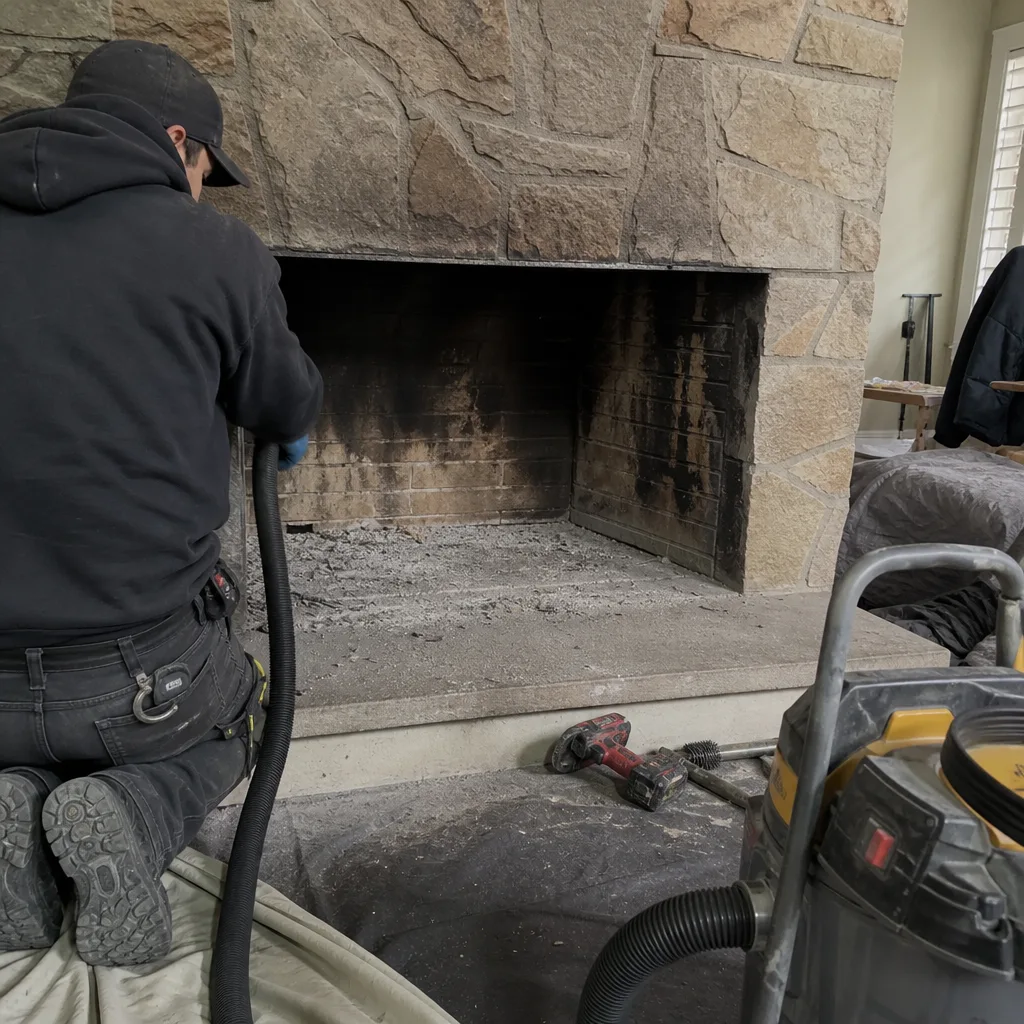 Before
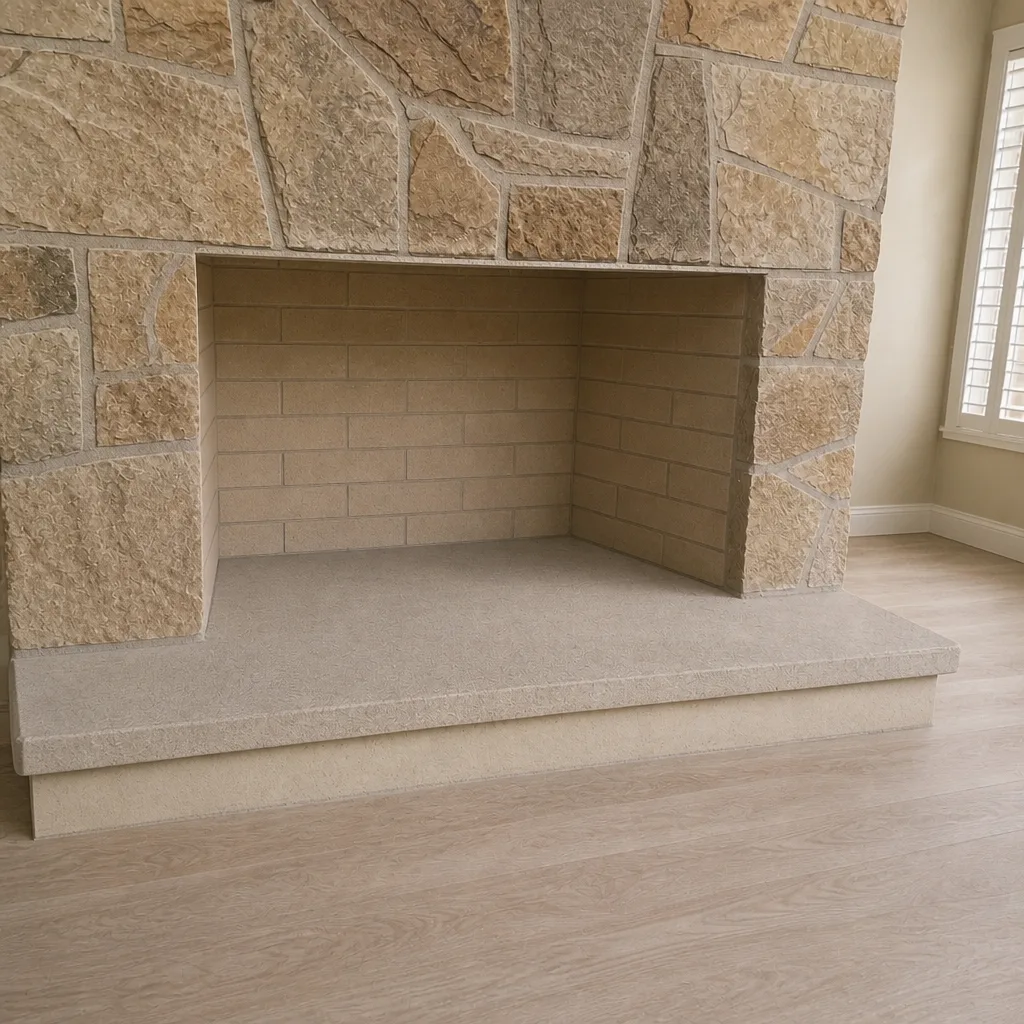 After
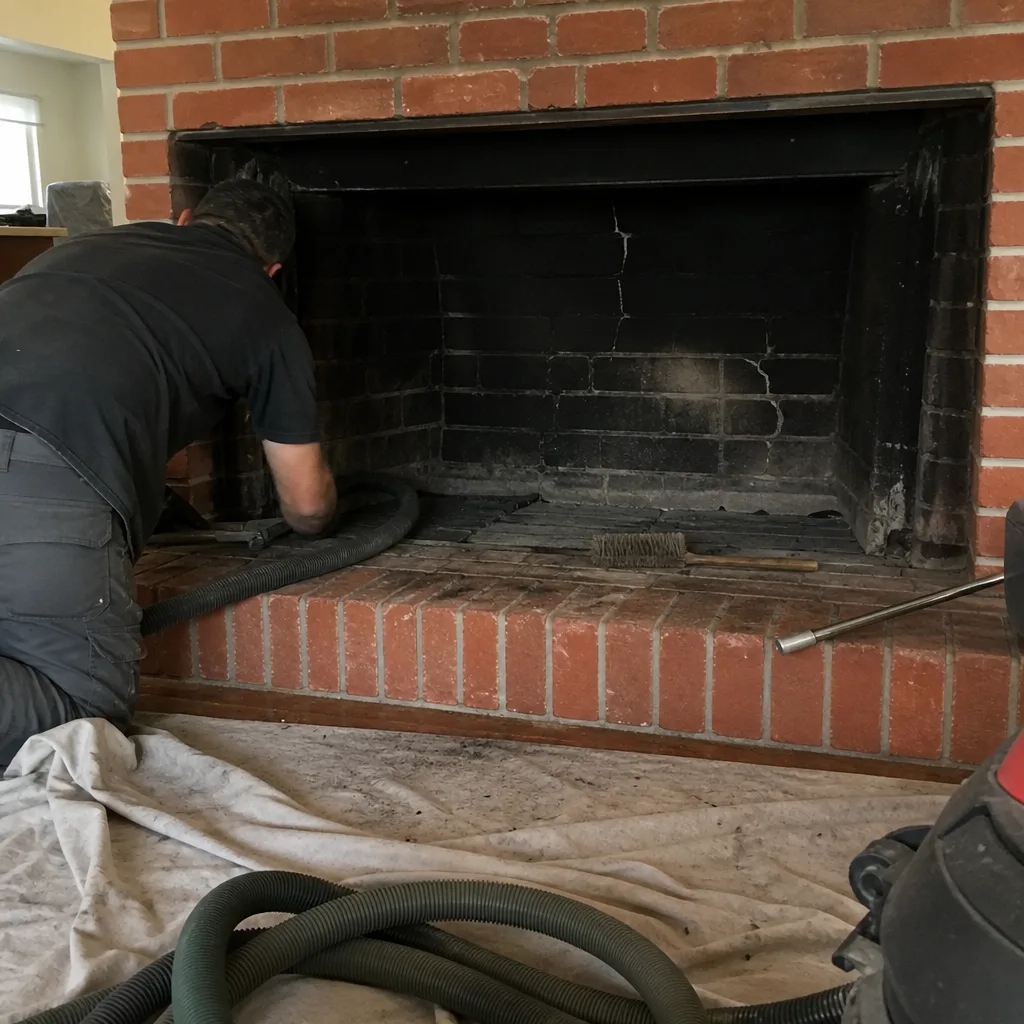 Before
 After
 Before
 After