
Last updated November 4, 2026
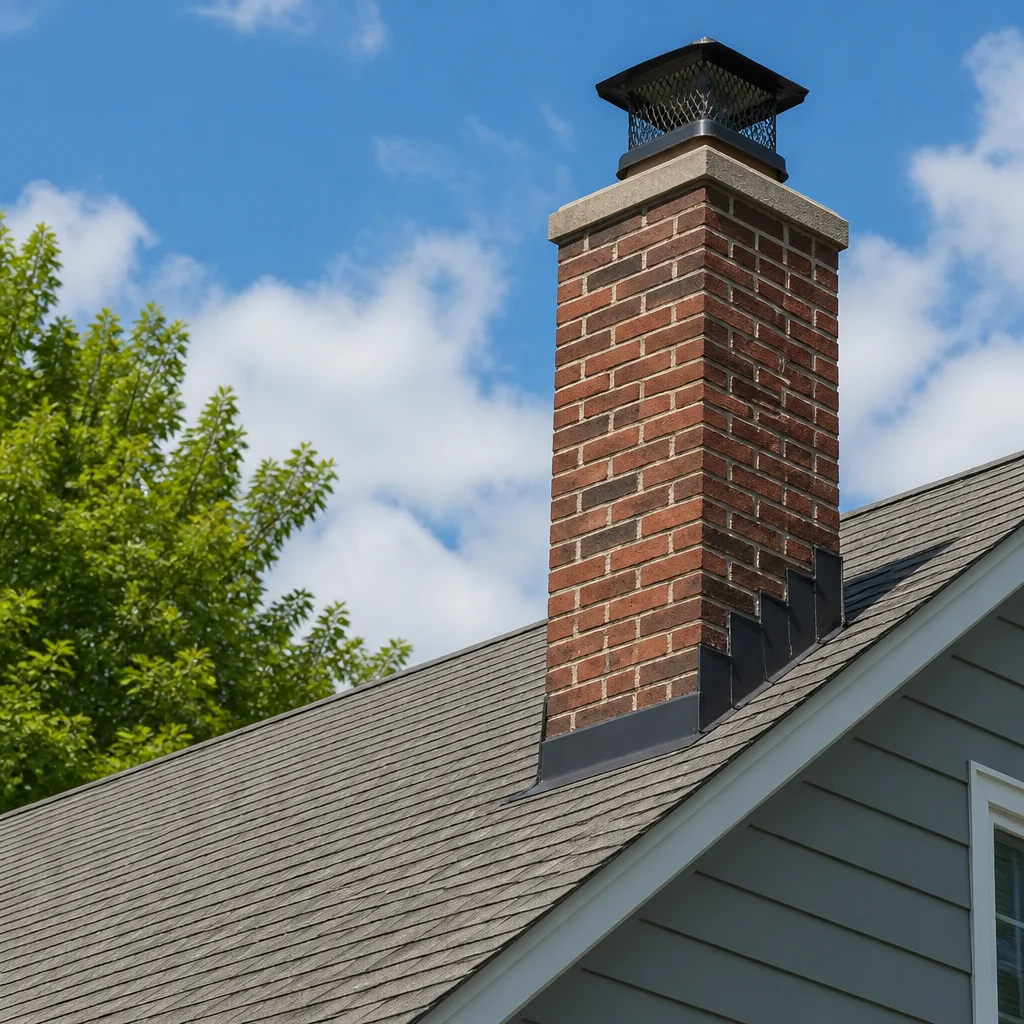 Sweep & inspection
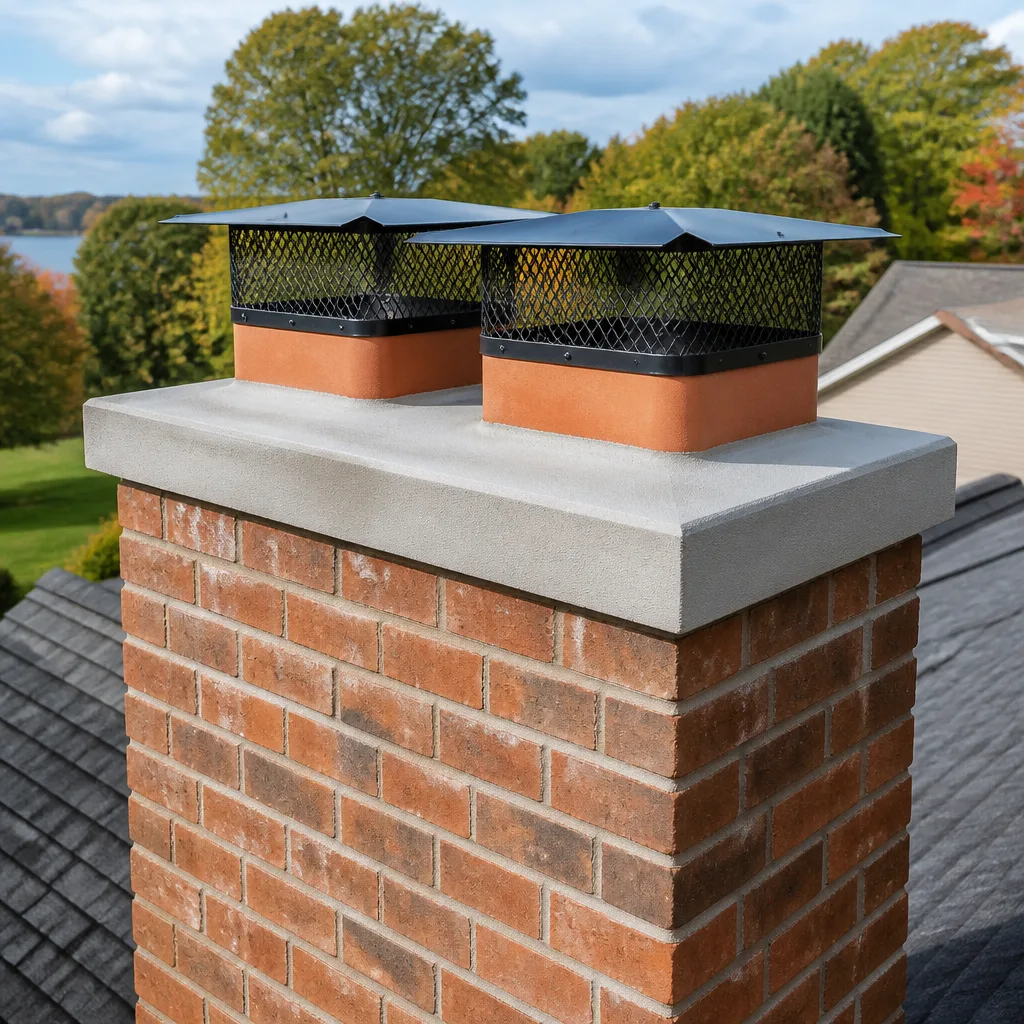 Caps & crowns
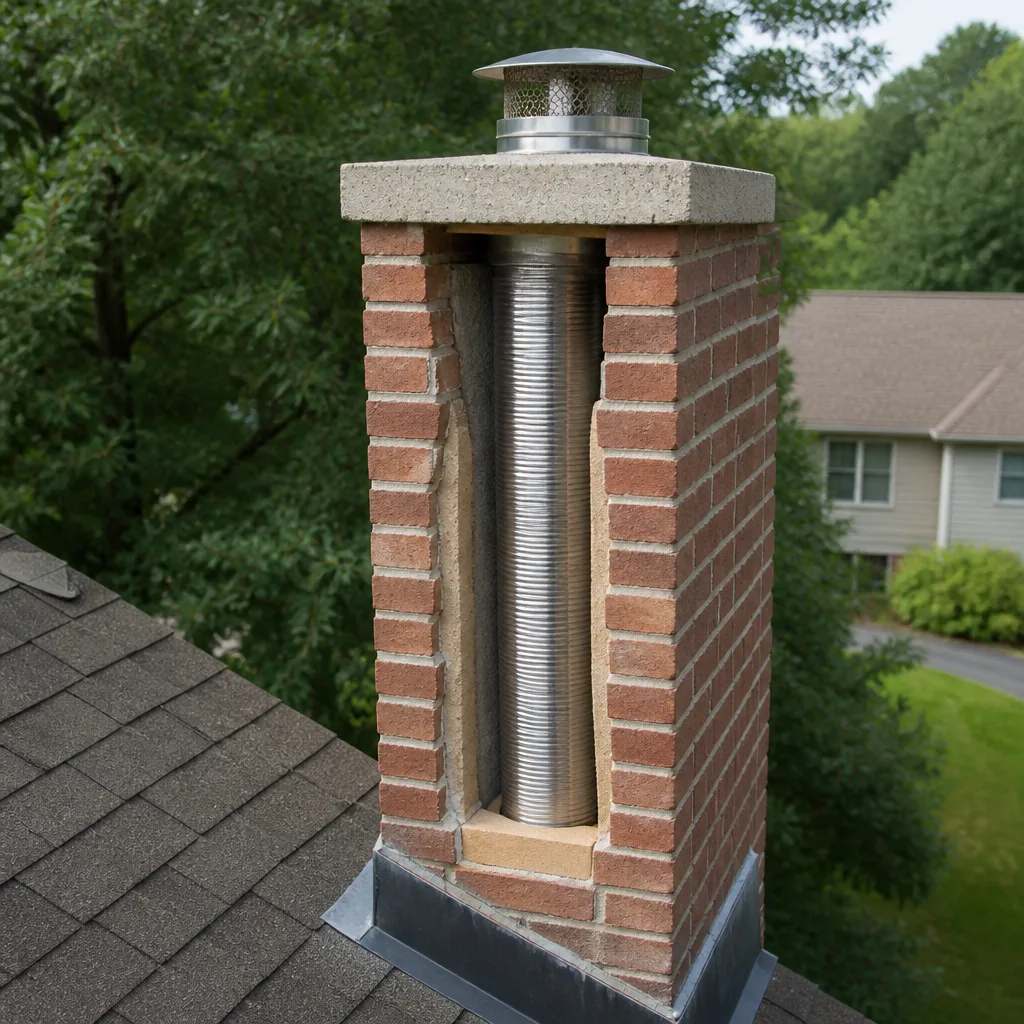 Flue relining
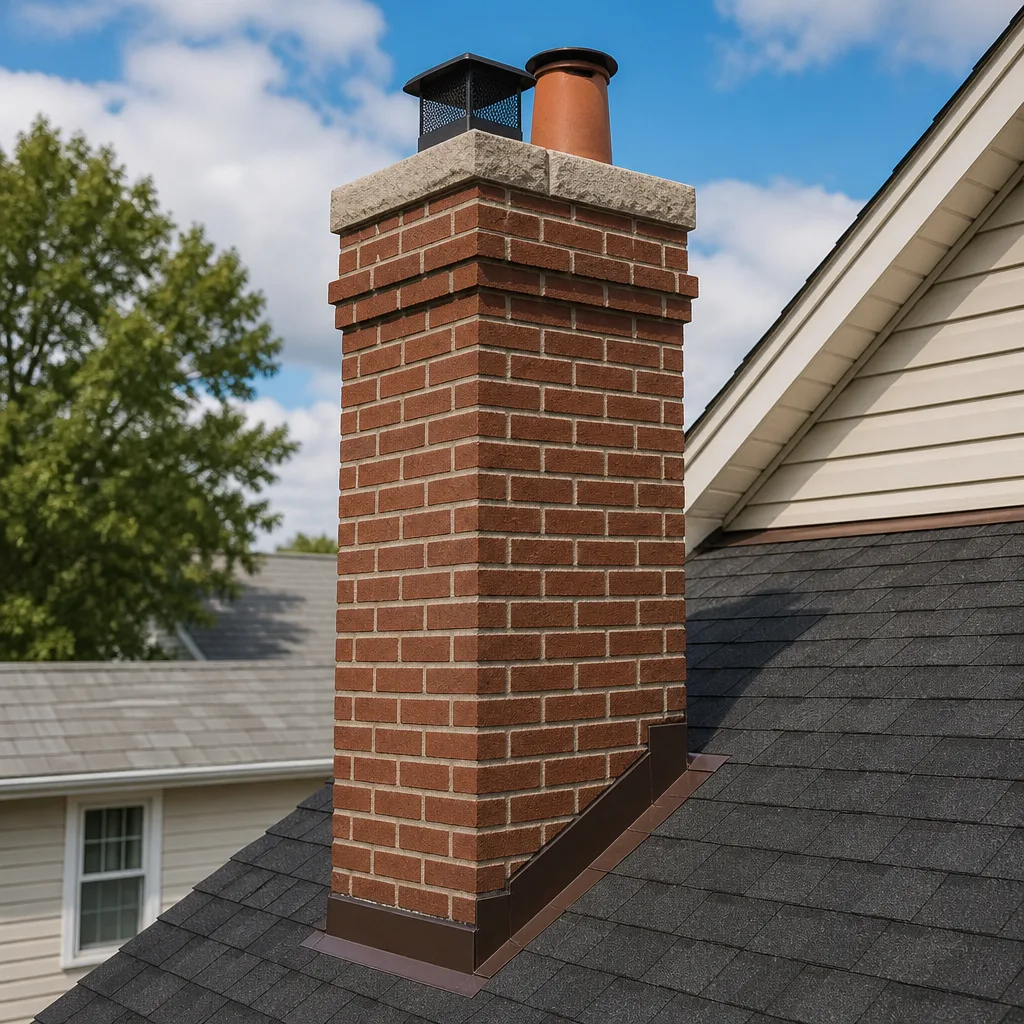 Masonry repair
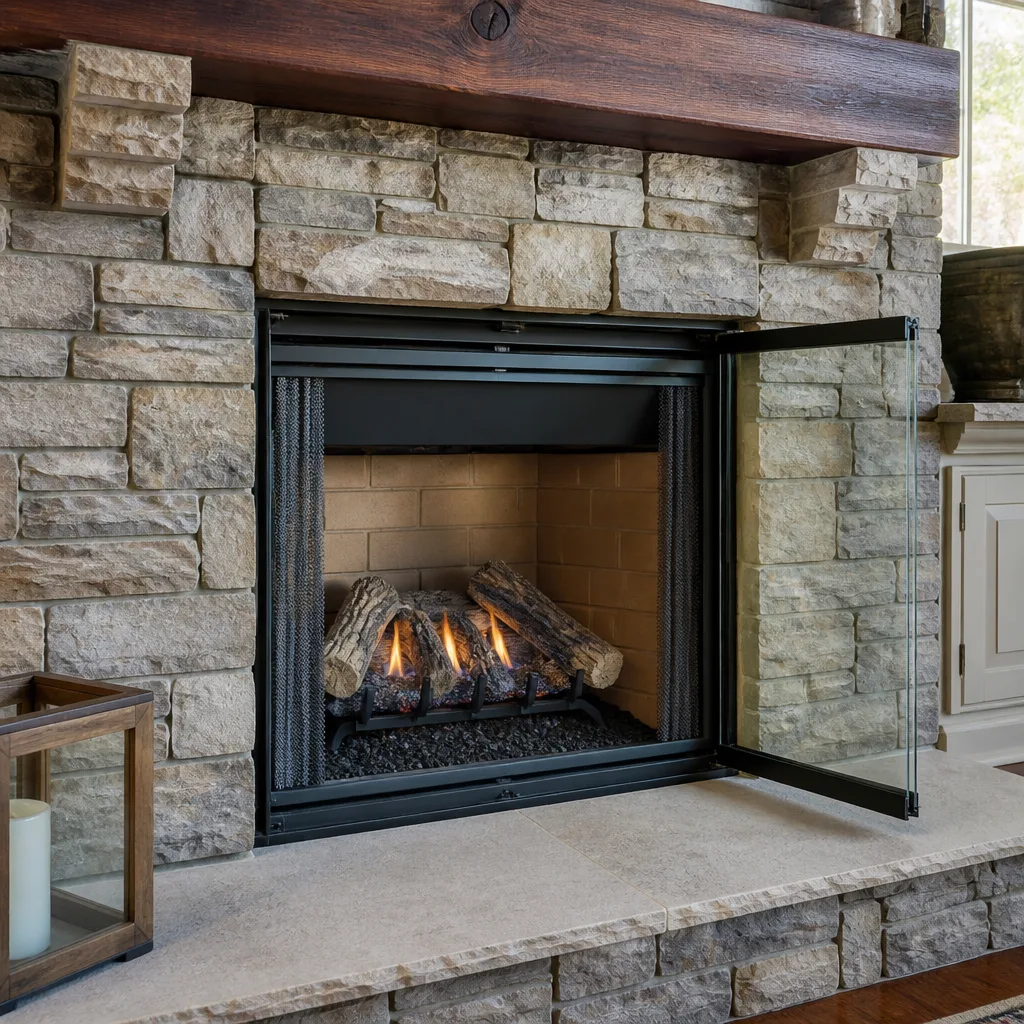 Gas fireplace service
Level 1 sweep and inspection to the NFPA 211 annual standard - flue, crown, cap, and flashing checked and photographed
Chimney sweep logs do not sweep chimneys. They loosen some creosote - which then falls where a brush and vacuum still have to collect it.
Chimney Sweep Maintenance Checklist for Sunnyvale Homeowners
The most commonly missed item on any chimney maintenance checklist isn’t creosote. It’s the chimney crown, which cracks silently over years of Bay Area temperature swings and allows water intrusion that destroys the flue liner from the top down before any visible interior damage appears. Most Sunnyvale homeowners don’t realize there’s a problem until the damage has already spread through the smoke chamber and into the firebox surround. This guide walks through a working maintenance checklist built around the actual failure points we see in Sunnyvale homes, organized by fuel type, home age, and chimney construction material. You’ll learn what to check visually, what requires a camera, and how to keep records that matter when you eventually sell.
Quick Answer
A chimney maintenance checklist for Sunnyvale homeowners should include an annual visual inspection of the crown, cap, and flashing; a sweep frequency based on fuel type (wood-burning fireplaces typically every cord of wood burned, gas systems annually); and a camera inspection every 2-3 years to catch hidden flue damage. Water intrusion through the crown is the leading cause of premature liner failure in Sunnyvale homes, so crown inspection and waterproofing should be a standalone annual task rather than something bundled into a cleaning appointment.
Styles & brands we work with
- Sweep & inspection
- Caps & crowns
- Flue relining
- Masonry repair
- Gas fireplace service
Table of Contents
- Wood-Burning vs. Gas: Separate Checklists for Different Systems
- Age-Specific Inspection Priorities for Sunnyvale Homes
- The Crown: Why It Gets Its Own Annual Task
- What You Can Self-Assess vs. What Needs a Camera
- Logging Service History for Resale in Santa Clara County
- Why Dryer Vents Belong on the Same Checklist
- Common Mistakes to Avoid
- When to Call a Professional
Wood-Burning vs. Gas: Separate Checklists for Different Systems
Treating a wood-burning fireplace and a gas insert with the same maintenance schedule is one of the fastest ways to miss a real problem. The byproducts are different, the wear patterns are different, and the failure points don’t overlap much. A wood fire produces creosote, a highly flammable residue that builds up along the flue walls and is the direct cause of most chimney fires. A gas insert produces water vapor and mild acidic compounds that slowly deteriorate mortar joints and clay tile liners. Neither is maintenance-free, but what you look for on each system is not the same.
Wood-Burning Fireplace Checklist
- Sweep frequency: Have the flue swept after every cord of wood burned, or at minimum once per year. Seasonal burning in Sunnyvale is shorter than in colder climates, but creosote still accumulates quickly even with moderate use.
- Creosote stage check: Ask your sweep to report whether the buildup is stage one (sooty dust), stage two (flaky, tar-like), or stage three (glazed, hardened). Glazed creosote cannot be removed with standard brushes and requires chemical treatment or specialized removal techniques.
- Firebox brick inspection: Look for cracked firebrick, gaps in mortar joints, or a firebox floor that has started to settle. These are entry points for heat to reach combustible framing.
- Damper operation: Check that the damper opens fully and stays open, then seals tightly enough to prevent conditioned air from escaping up the flue when not in use.
- Spark arrestor and cap: Confirm the cap screen is intact with holes no larger than 5/8 inch. Larger gaps let birds and embers through.
Gas Fireplace or Insert Checklist
- Annual sweep and inspection: Even gas systems produce residue. The acidic condensate from gas combustion attacks clay tile liners and mortar joints over time, so annual inspection catches this before it becomes a structural issue.
- Log and burner check: Gas logs that have shifted or a burner that has developed rust can create an uneven flame pattern and incomplete combustion.
- Venting verification: Confirm the venting path is clear and the termination cap is unobstructed. Gas inserts often vent through existing clay tile flues that may be oversized for the smaller gas vent, creating condensation problems.
- Carbon monoxide detector placement: Verify that a CO detector is installed within 15 feet of the gas appliance, per Santa Clara County code guidance.
If you’re not sure which system you have or what condition it’s in, start with a chimney sweep and ask for a written condition report. It’s the baseline every other maintenance decision builds from.
Age-Specific Inspection Priorities for Sunnyvale Homes
Sunnyvale’s housing stock spans several distinct construction periods, and each era has its own chimney failure patterns. Knowing what to expect based on when your home was built helps you ask better questions when an inspector is on site.
Pre-1980 Homes: Clay Tile Liners and Mortar Erosion
Homes built before 1980 in Sunnyvale almost always have clay tile flue liners. These liners work well for decades, but they crack under repeated heating and cooling cycles, even in our relatively mild winters. Once a clay tile cracks, heat and combustion gases can reach the masonry shell behind it. The mortar joints between clay tiles also erode over time from acidic flue gas. If you own a pre-1980 home and haven’t had a camera inspection, that’s the single highest-value maintenance task you can schedule.
1980s – 2000s Homes: Undersized Flues and Retrofit Problems
This era of Sunnyvale construction often used prefabricated fireplace units or masonry chimneys sized for open-hearth fires. When homeowners later retrofit a wood stove or gas insert into these fireplaces, the original flue is frequently too large for the new appliance. An oversized flue cools combustion gases too quickly, creating excessive creosote or condensation. The result looks like a dirty chimney but is actually a sizing problem that requires a properly sized liner rather than just a sweep. DuraFlex flexible systems are one option here because they can navigate chimneys with offsets without a full teardown.
2000s – Present Homes: Prefabricated Systems Aging Out
Newer Sunnyvale homes often have factory-built, prefabricated chimney systems. These are engineered units with specific lifespan ratings, typically 20-30 years depending on manufacturer and use. The maintenance task here is confirming the system is still within its rated service life and that no replacement parts have been discontinued. Prefabricated systems generally cannot be repaired the way masonry chimneys can; replacement of components is the standard approach.
The Crown: Why It Gets Its Own Annual Task
The chimney crown is the concrete slab that sits on top of the masonry chimney and directs water away from the flue. In Sunnyvale, the combination of hot dry summers and cool damp winters creates a slow expansion and contraction cycle that micro-fractures concrete crowns over time. Most crowns are built without enough overhang and without expansion joints, so cracking starts within a few years of construction and accelerates from there.
Once water enters through crown cracks, it works its way down through the masonry and into the flue system. Water-damaged clay tile liners spall, which means pieces flake off and fall into the flue. Water-damaged mortar joints erode and create gaps. The damage runs top-down, which is why you can have a seriously compromised flue while the firebox still looks fine from inside the home.
Crown Inspection Tasks
- Visual check from the ground: Use binoculars to look for visible cracks, missing pieces, or a crown that appears to slope toward the flue instead of away from it.
- Waterproofing assessment: Crowns and the upper masonry should have a breathable water repellent applied. This is not paint and not sealant; it’s a siloxane-based treatment that allows water vapor out while preventing liquid water from absorbing into the masonry.
- Expansion joint check: Confirm there’s a proper gap between the flue tile and the crown material. This gap should be filled with a flexible sealant rather than being flashed over rigidly. Missing or cracked sealant here is a primary water intrusion point.
- Overhang verification: The crown should extend at least 2 inches beyond the face of the chimney with a drip edge. Crowns built flush with the masonry tend to direct water into the brick itself.
If you find crown damage early, the repair is straightforward. If you find it late, you’re looking at flue liner replacement. The crown gets its own checklist item because the failure is silent until it’s expensive.
What You Can Self-Assess vs. What Needs a Camera
A lot of chimney maintenance guidance blurs the line between what a homeowner can reasonably see and what requires professional equipment. Here’s a clear split.
You Can Self-Assess These Items
- Visible masonry condition: Walk around the chimney and look for cracked bricks, missing mortar, or efflorescence, which appears as a white powdery stain indicating water has been moving through the masonry.
- Firebox condition: With a flashlight, check the firebox for cracked brick, gaps in mortar joints, and any signs of rust staining from the damper area.
- Damper operation: Open and close the damper. It should move freely without binding and should create a reasonable seal when closed.
- Cap and spark arrestor visibility: From the ground with binoculars, confirm the cap is present and the screen appears intact.
- Debris accumulation: After a windstorm or heavy rain, check for leaf litter, twigs, or nest material visible in the firebox, which may indicate a damaged cap or open damper.
These Items Require a Camera Inspection
- Flue liner condition throughout its entire length: You cannot see the middle and upper sections of the flue from the firebox. Cracks, spalling, and misaligned tile sections are only visible with a chimney camera.
- Creosote thickness and stage: A visual check from the top or bottom tells you creosote is present, but not how thick it is or what stage it has reached. Camera documentation confirms whether a standard sweep will work or if specialized treatment is needed.
- Smoke chamber condition: The area between the damper and the flue is tapered and difficult to access. Camera inspection reveals gaps, mortar damage, or built-up creosote in this space.
- Flue sizing verification: Confirming whether the flue is properly sized for the current appliance requires measuring the actual interior dimensions and cross-sectional area, which a camera-equipped inspection can document.
- Hidden water damage: Moisture staining inside the flue that doesn’t show on the exterior masonry points to crown or flashing failure. The camera finds it before you smell it or see it on your ceiling.
We recommend a camera inspection with every first-time appointment and then every 2-3 years after that, depending on system age and use. The photographic record also becomes part of your service history file, which matters more than most homeowners realize.
Logging Service History for Resale in Santa Clara County
In a real estate market as competitive as Santa Clara County, a documented chimney maintenance history is an underused seller advantage. Most homes in Sunnyvale change hands with zero chimney documentation, which means buyers are left to assume the worst or skip the chimney inspection entirely and find problems after closing. That’s a liability you can avoid with a simple record-keeping practice.
What Your Service Log Should Include
- Date of every service call: Sweeps, inspections, repairs, waterproofing treatments, cap replacements. Every interaction with a chimney professional goes in the log.
- Service provider name and license: Include the company name and license number of whoever performed the work. This gives the buyer a verifiable reference point.
- Findings summary: Written notes on what was inspected, what was found, and what condition was left in. Ask your sweep for a written report if one isn’t standard.
- Photos or camera footage: Ask for still images from the camera inspection. Most companies can provide these; they’re worth their weight in credibility when you’re selling.
- Repair receipts: Documentation for any liner work, crown repair, waterproofing, or cap replacement, with the materials used noted. If HeatShield restoration was performed instead of a full reline, having that documented explains why the repair was done the way it was.
A complete service log tells a buyer’s home inspector that the chimney has been maintained rather than neglected. It converts a potential negotiation point into a settled question. For a homeowner who has kept five years of sweep records and camera inspection photos, the chimney becomes a selling feature rather than a red flag.
For Sunnyvale specifically, where many homes are 50 to 70 years old, this documentation is even more valuable. Buyers expect older construction to have issues; proof that yours has been actively managed changes the conversation. Start the log now even if you have gaps in previous years. Future-you at the closing table will appreciate it.
Why Dryer Vents Belong on the Same Checklist
Chimney maintenance and dryer vent cleaning seem like different systems, but they share a common failure mode: lint and creosote are both combustible residues that accumulate inside venting paths and become fire hazards when ignored. In Sunnyvale homes where the laundry room is often located near the chimney chase or in a basement-level utility area, the dryer vent can run longer distances than is ideal, which increases lint buildup and makes annual cleaning more important.
Adding the dryer vent to your chimney maintenance checklist makes sense for two reasons. First, it’s a fire-risk venting system in your home that benefits from the same annual attention. Second, scheduling both services together means one appointment instead of two separate contractors. The dryer vent is the more frequently overlooked of the two, partly because most homeowners have never seen the inside of their dryer duct. A clogged dryer vent reduces dryer efficiency, extends drying times, and creates the conditions for a lint fire that can spread quickly through the wall cavity.
If you’re already bringing in a chimney professional once a year, adding dryer vent service to that visit is one of the highest-value maintenance decisions you can make in terms of risk reduction per dollar spent.
Common Mistakes to Avoid
- Skipping the crown because the firebox looks fine. Crown damage is the top source of hidden flue deterioration in Sunnyvale homes. The firebox can look perfect while the flue liner is quietly spalling from water intrusion that started at the crown. Inspect the crown annually on its own schedule, not as an afterthought during a sweep.
- Burning unseasoned wood. Wood with moisture content above 20% produces far more creosote than seasoned wood and lowers combustion efficiency. In Sunnyvale, where firewood often comes from local oak that’s been split recently, proper seasoning takes at least 12 months. Buy wood a year ahead and store it off the ground with good air circulation.
- Treating a gas insert as maintenance-free. Gas systems produce acidic condensate that attacks clay tile liners and mortar over time. Skipping annual inspection on a gas chimney is how you end up with liner failure that could have been caught early.
- Painting or sealing the chimney with the wrong product. Brick and mortar need to breathe. Applying latex paint or non-breathable sealant traps moisture inside the masonry and accelerates spalling. Always use a breathable siloxane-based repellent designed for chimney masonry.
- Ignoring dryer vent lint buildup. The dryer is running fine, so the vent must be fine. In practice, dryer vents can be half-blocked with lint while the dryer still functions. Longer vent runs common in Sunnyvale homes make this more likely, not less.
- Assuming a newer home doesn’t need chimney service. Prefabricated systems in newer construction have rated lifespans. They need inspection too. Newer doesn’t mean problem-free; it means different problems with different timelines.
- Keeping no service records. When the time comes to sell, a home with five years of chimney documentation is easier to market and defends its asking price better than an identical home with no record. Start the file if you haven’t already.
When to Call a Professional
Some checklist items are straightforward. You can look at a damper and see if it’s stuck. You can see cracked firebrick with a flashlight. But if you notice water stains on the ceiling near the chimney, a persistent smoke smell in the house even when the fireplace is cold, flaking masonry on the chimney exterior, or any sign of creosote buildup thicker than an eighth of an inch, call a professional. These are not DIY situations, and delaying them makes every problem more expensive. Chimney Cleaning Sunnyvale offers free estimates in Sunnyvale. Call (833) 593-7116. We answer 24/7. Fast dispatch from 7am to 7pm, Sunday through Friday.
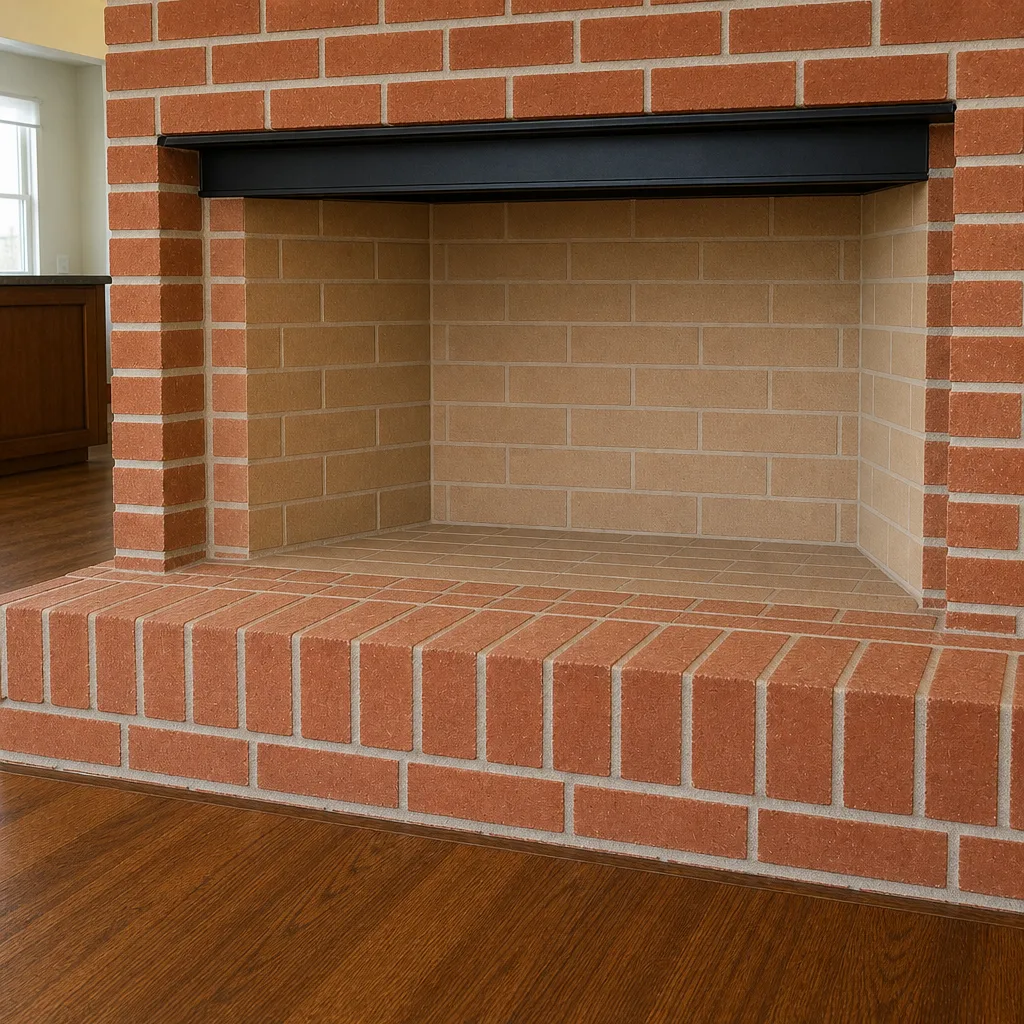
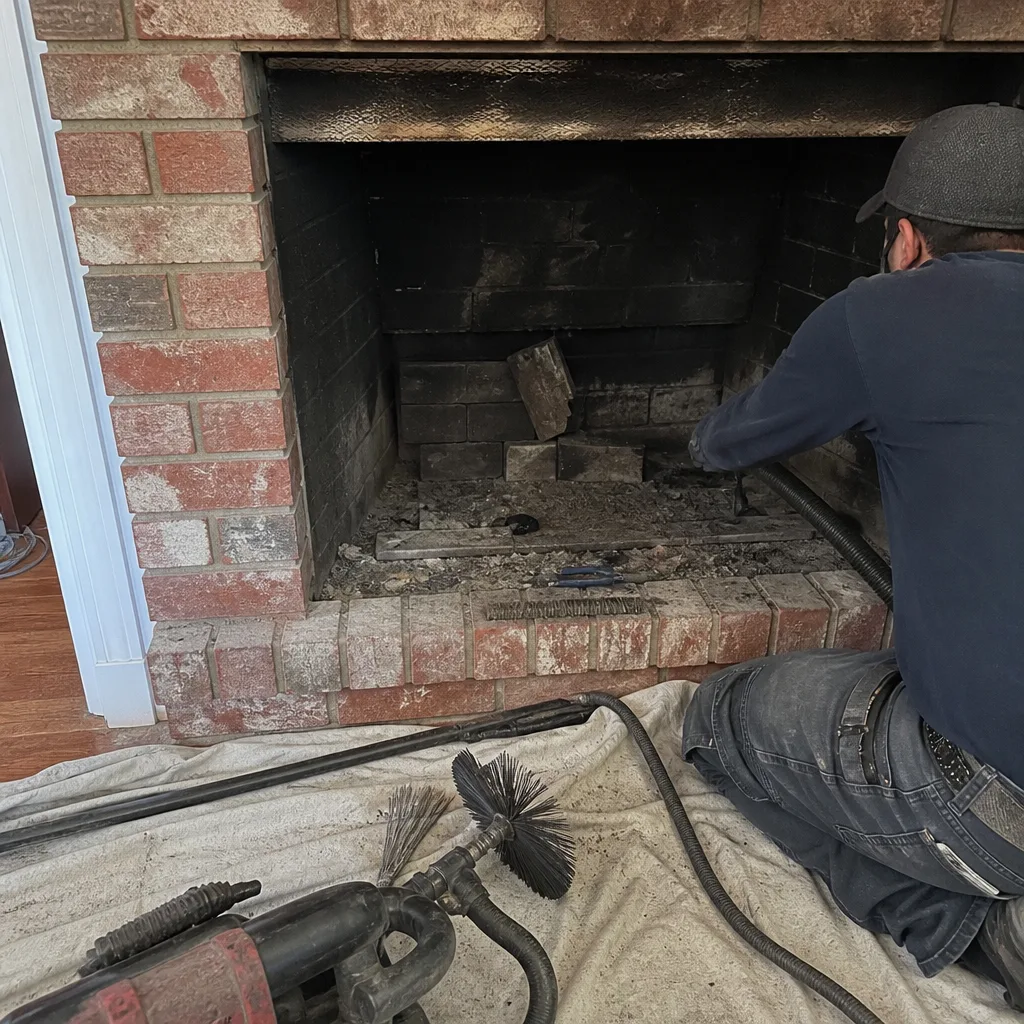
See the difference
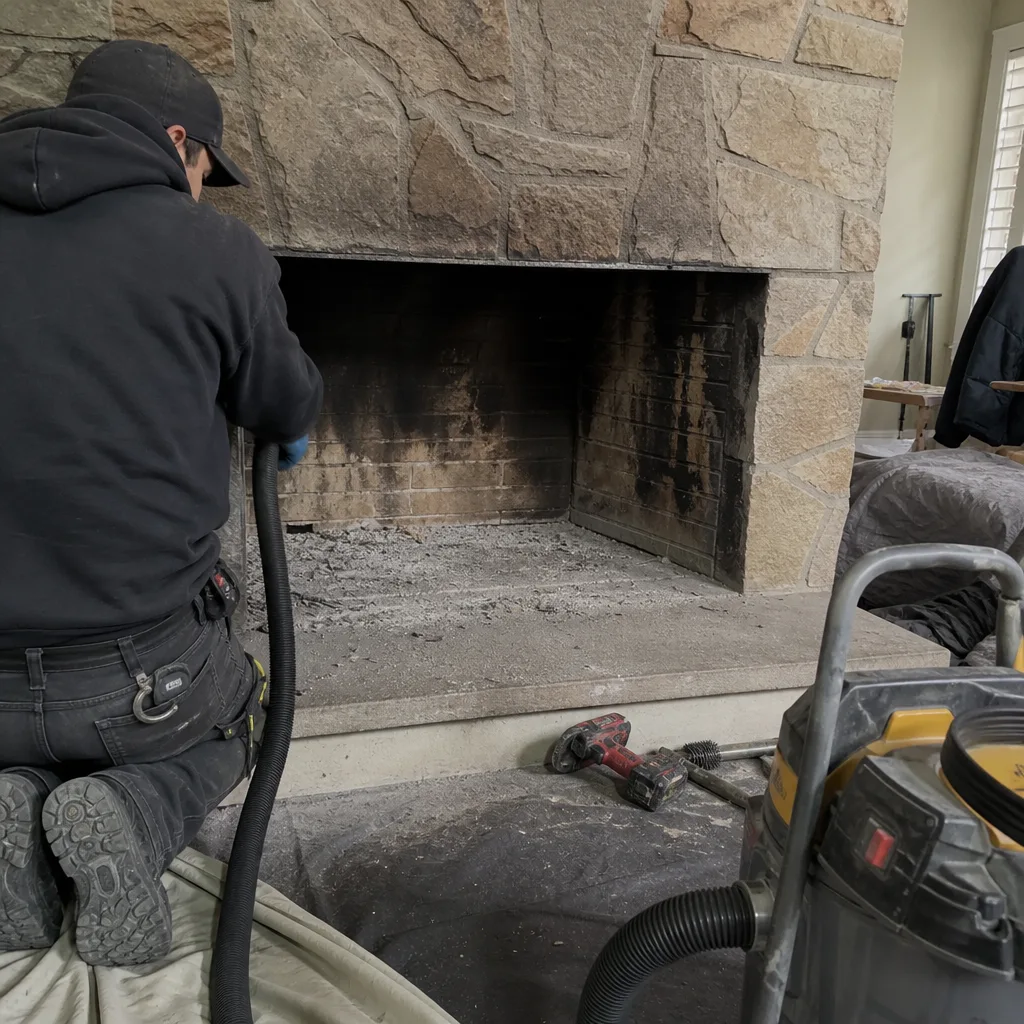 Before
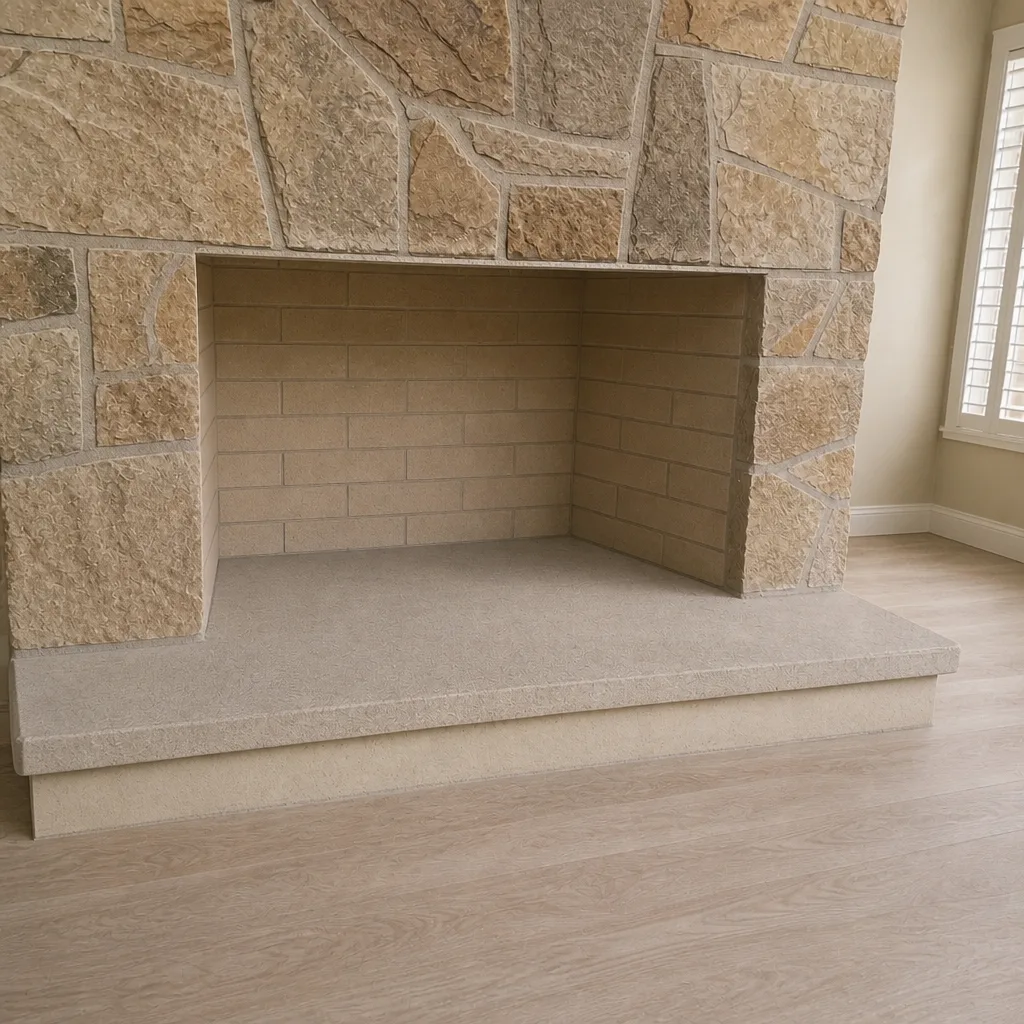 After
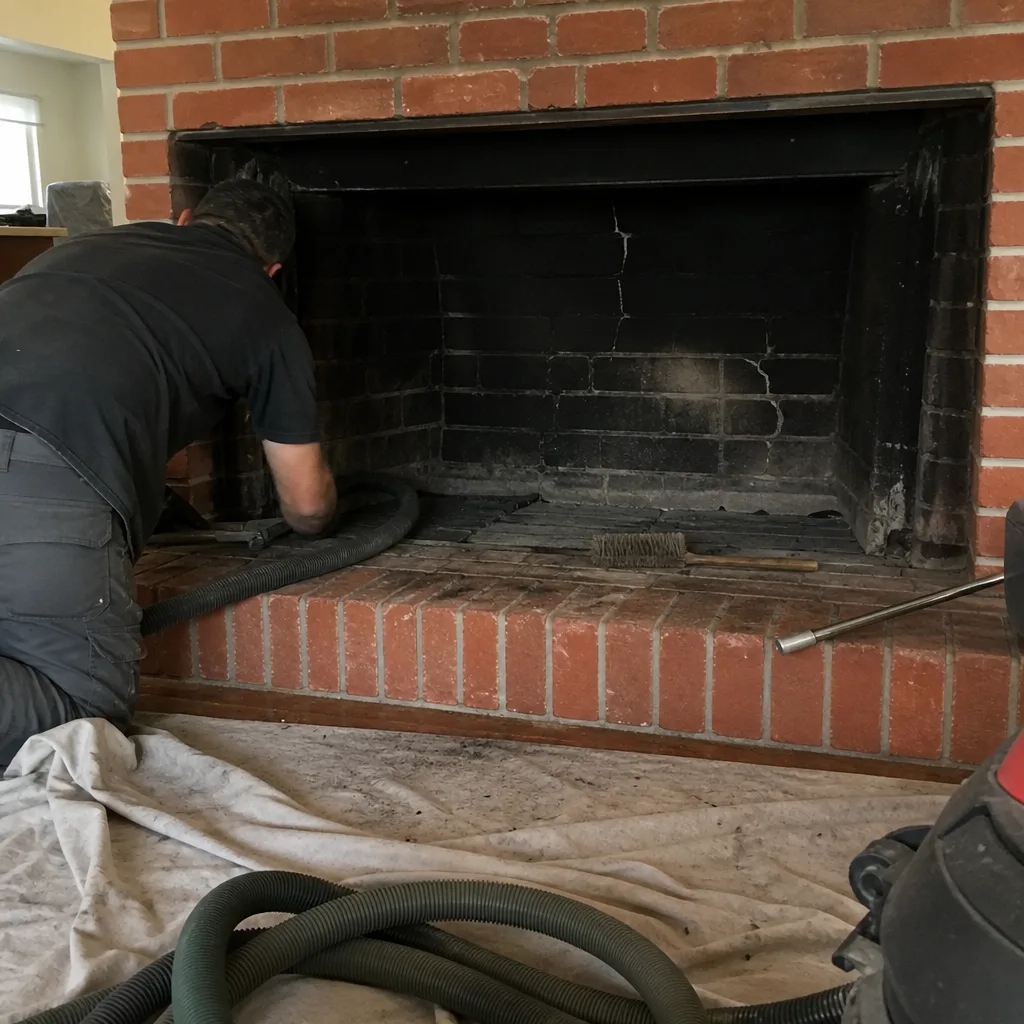 Before
 After
 Before
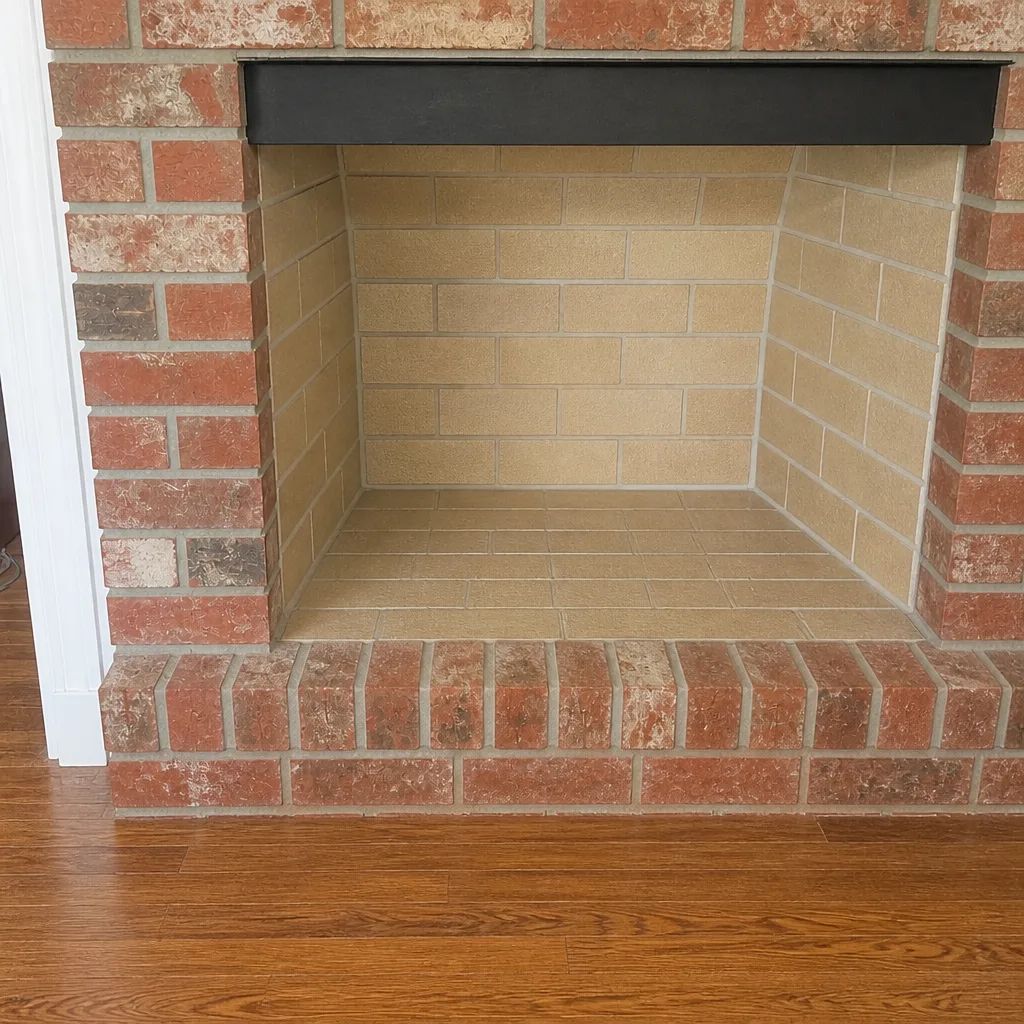 After
Frequently Asked Questions
A wood-burning fireplace should be swept after every cord of wood burned, or at least once per year. Gas systems should be inspected annually but generally need less frequent physical sweeping. In Sunnyvale’s mild climate, burning seasons are shorter than in colder regions, but creosote still accumulates and hardens quickly, so annual attention is the baseline. Call (833) 593-7116 to schedule a sweep and get an exact recommendation for your system.
Chimney sweep pricing in Sunnyvale typically ranges from $150 to $350 depending on system type, accessibility, and creosote stage. A standard masonry fireplace sweep runs lower; a prefabricated system or a flue with glazed creosote runs higher. Camera inspection may be additional. Call (833) 593-7116 for a free estimate and a written quote for your specific chimney.
Gas fireplaces need inspection annually even though they don’t produce creosote. The combustion byproducts from gas systems are acidic and slowly deteriorate clay tile liners and mortar joints. A gas chimney still benefits from a camera inspection every few years to catch this damage early. Skipping maintenance on a gas system is how small issues become liner replacement projects.
Creosote accumulates and hardens inside the flue. At stage two it becomes a fire hazard; at stage three it’s glazed and hardened, requiring specialized removal. A chimney fire can crack the flue liner, damage the masonry, and spread to combustible framing around the chimney chase. Water intrusion through an unchecked crown causes liner spalling that isn’t visible from inside the home. The problems compound, and the repair costs rise. Call (833) 593-7116 for an inspection if you’re unsure what condition your chimney is in.
You can visually check the firebox, damper, exterior masonry, and cap from the ground. You cannot see the flue liner through its entire length, the smoke chamber, or hidden creosote thickness without a professional camera. Those are the areas where serious problems develop silently. A professional inspection with camera documentation is the only way to get a complete picture.
Most chimney liner replacements and structural repairs in Sunnyvale require a permit from the City of Sunnyvale’s building department. Your chimney professional can confirm the specific requirements for your project and handle the permit application as part of the work. Ask about permit requirements when you get your estimate. Call (833) 593-7116 and we’ll walk you through what your project needs.
The Bottom Line
Chimney maintenance in Sunnyvale is not a seasonal afterthought; it’s a year-round structural concern driven by the crown, the fuel type, and the age of your home. The checklist that matters separates visual self-assessment from camera-verified inspection, treats the crown as its own annual task, and keeps written records that become a real asset at resale. Whether you burn wood, run a gas insert, or just want to know what condition your chimney is actually in, the most useful step you can take this year is a documented inspection. Call (833) 593-7116. We answer 24/7. Fast dispatch from 7am to 7pm, Sunday through Friday. Estimates are free, and the written estimate sets the final price.
Written by the team at Chimney Cleaning Sunnyvale, serving Sunnyvale since 2014.