
Last updated November 4, 2026
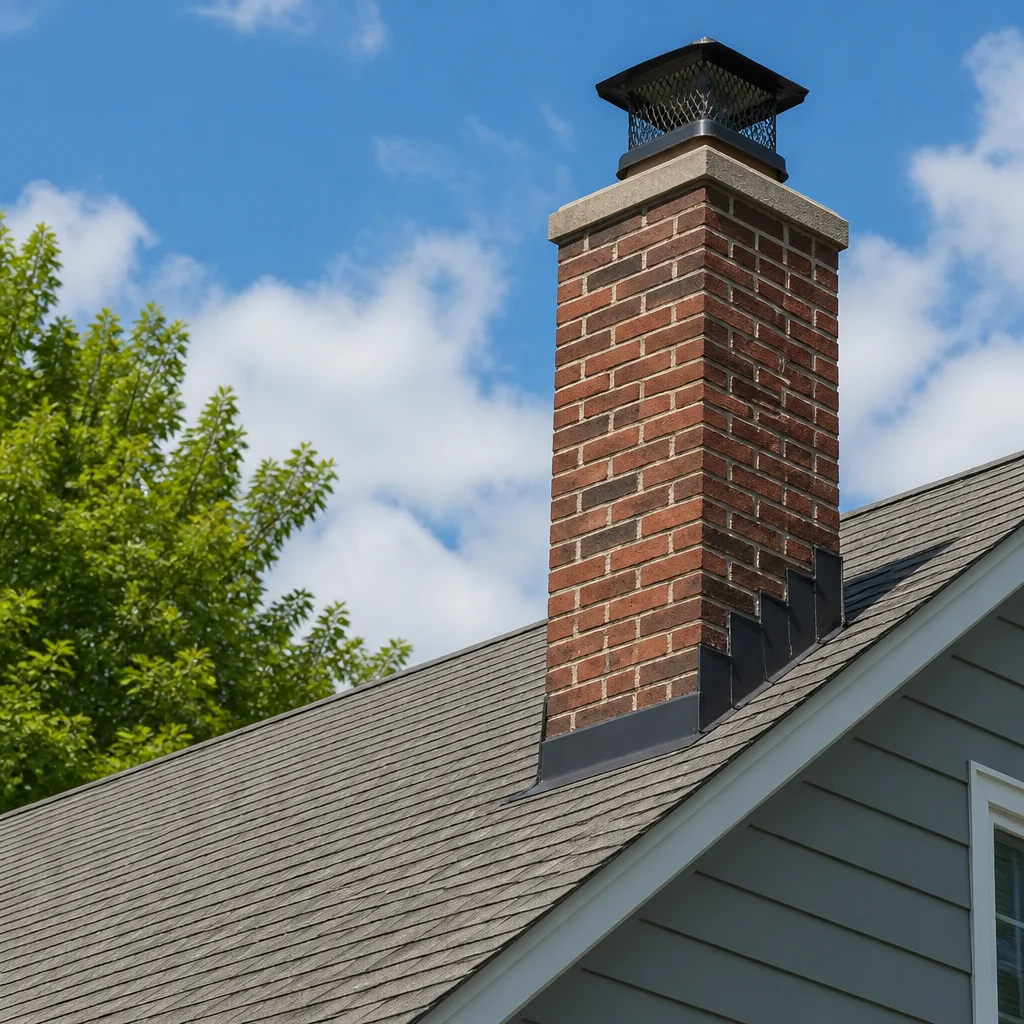 Sweep & inspection
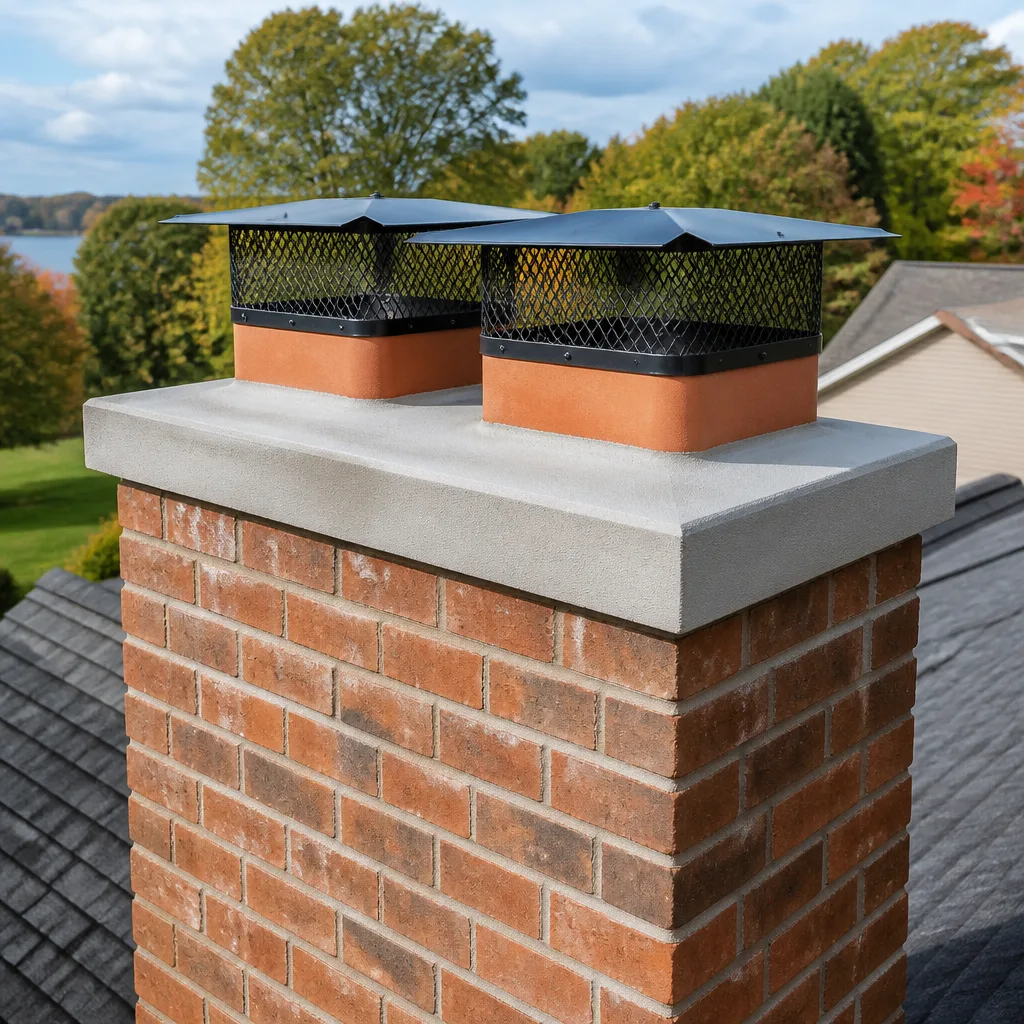 Caps & crowns
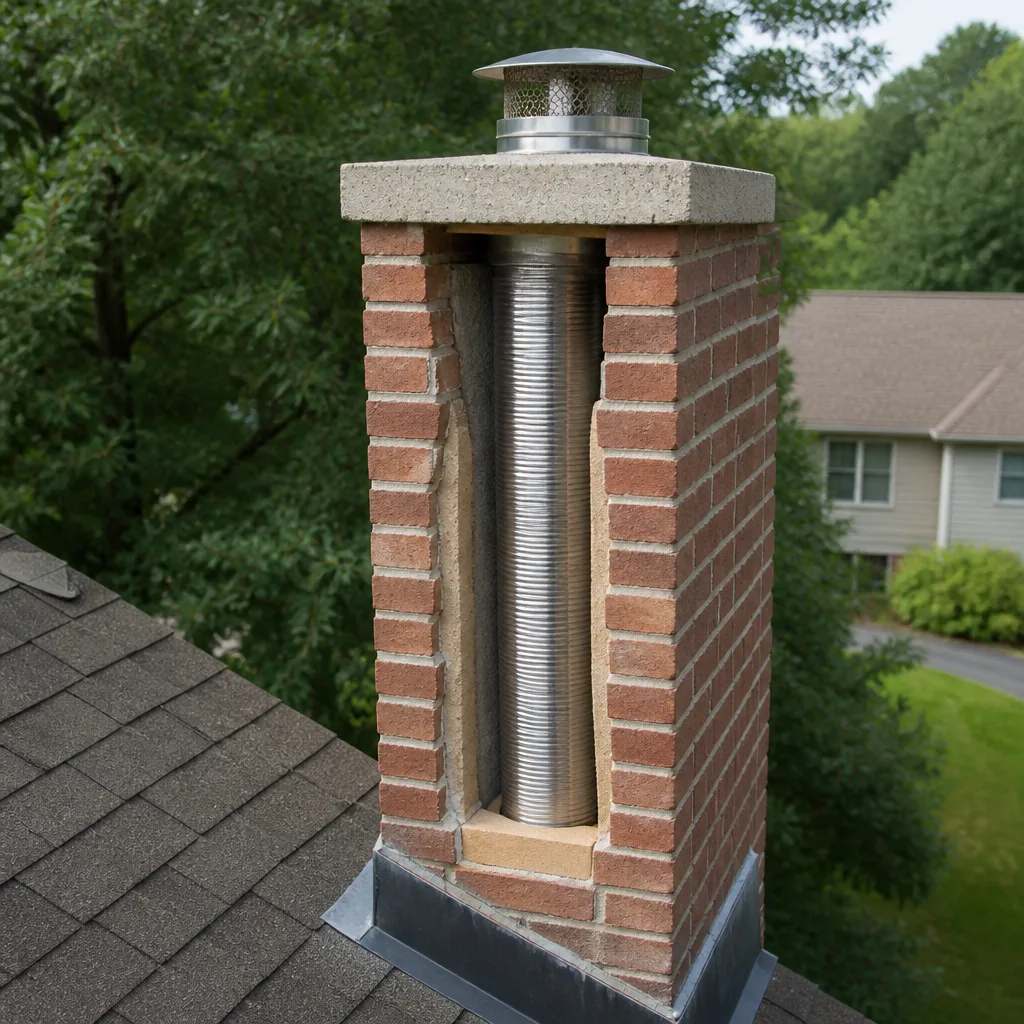 Flue relining
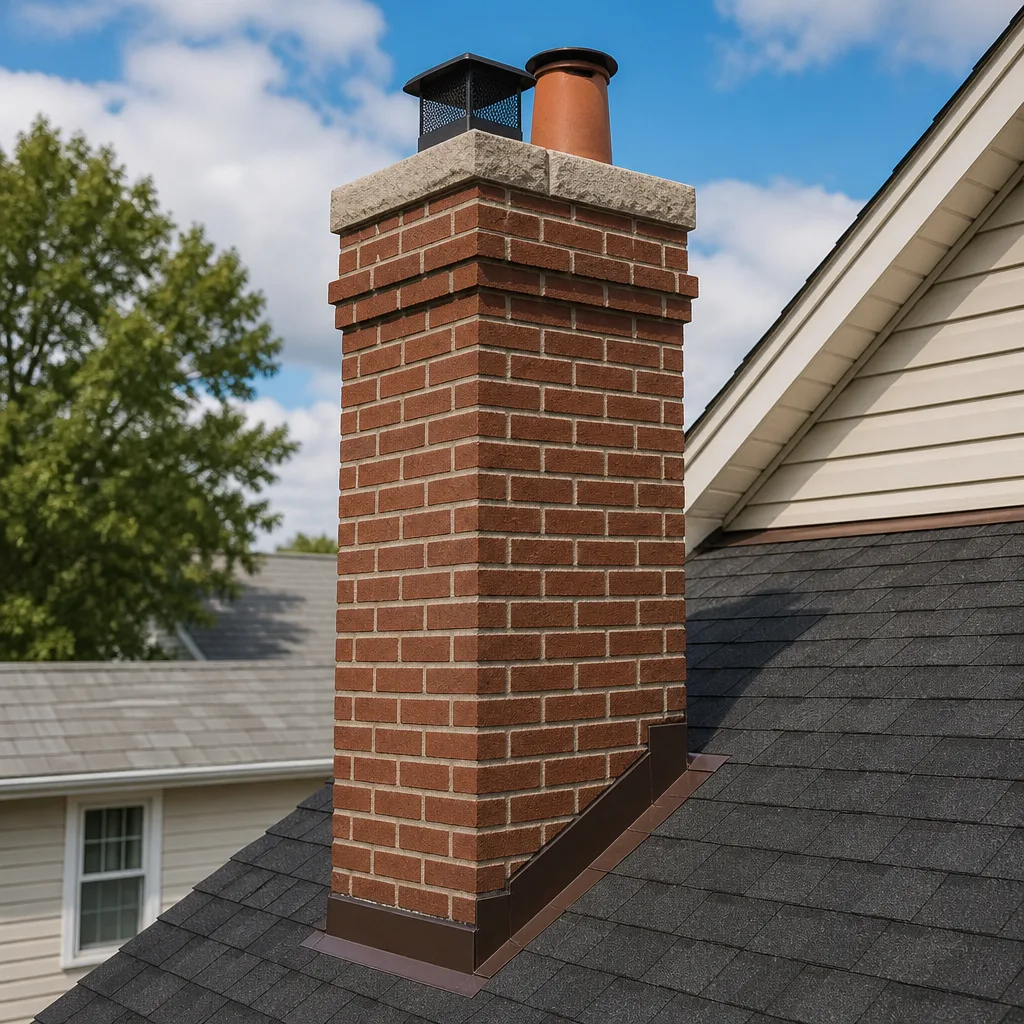 Masonry repair
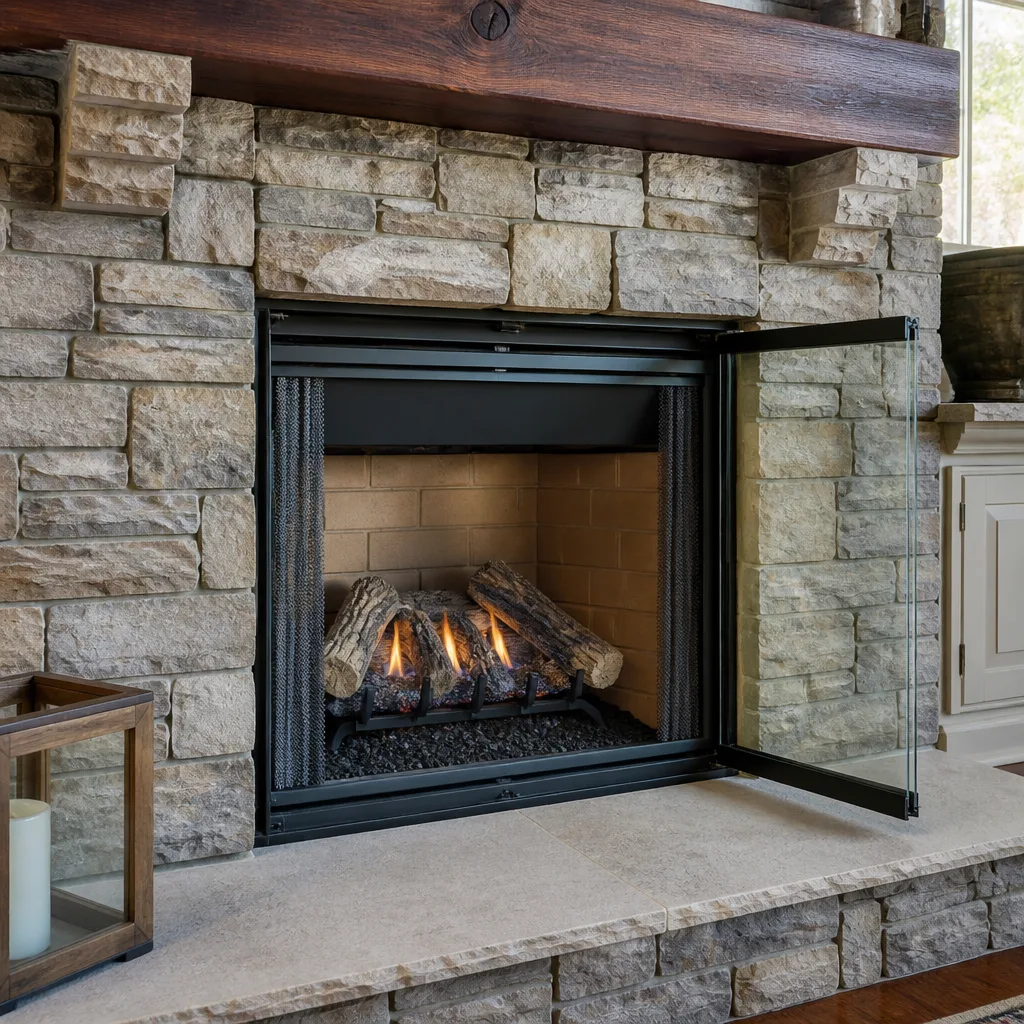 Gas fireplace service
Level 1 sweep and inspection to the NFPA 211 annual standard - flue, crown, cap, and flashing checked and photographed
Chimney sweep logs do not sweep chimneys. They loosen some creosote - which then falls where a brush and vacuum still have to collect it.
The Complete Guide to Chimney Cleaning in Sunnyvale
A chimney used only ten times during a Sunnyvale winter can still develop glazed creosote deposits serious enough to require a Level 2 inspection. Most homeowners assume light use means light maintenance. That assumption is wrong. The short, low-heat fires typical of mild-weather burning produce the exact conditions that create the densest, hardest-to-remove creosote. This guide explains how chimneys are actually used in Sunnyvale, why that matters for cleaning schedules, and what a proper sweep should include when it’s done right.
Quick Answer
Chimney Cleaning Sunnyvale involves removing creosote, soot, and debris from the flue, smoke chamber, damper, and firebox with professional rotary brushes and HEPA-filtered vacuums. For most Sunnyvale homes burning wood once or twice a week during the fall and winter, an annual sweep is the baseline. Homes with gas log fireplaces or wood stove inserts have different cleaning cadences and inspection needs, which we cover below.
Styles & brands we work with
- Sweep & inspection
- Caps & crowns
- Flue relining
- Masonry repair
- Gas fireplace service
Table of Contents
- How Sunnyvale’s Burn Patterns Affect Creosote Buildup
- The Three CSIA Inspection Levels and Which One You Need
- Cleaning Differences: Wood-Burning Fireplaces, Gas Logs, and Wood Stove Inserts
- BAAQMD Burn Restrictions and What They Mean for Your Chimney
- What a Professional Sweep Should Include
- What You Should Receive After Every Cleaning Visit
- Common Mistakes to Avoid
- When to Call a Professional
- Frequently Asked Questions
How Sunnyvale’s Burn Patterns Affect Creosote Buildup
Sunnyvale homeowners rarely build the kind of roaring, all-day fires common in colder climates. We light a fire in the evening, enjoy it for a few hours, and close the damper. That pattern seems harmless. It is actually the fastest route to glazed creosote.
Creosote forms in three stages. Stage one is a flaky soot that brushes off easily. Stage two is a granular, crunchy deposit that requires more aggressive mechanical removal. Stage three is glazed creosote: a hard, tar-like coating that forms when smoke condenses quickly inside a flue that never gets hot enough to burn the volatiles off. Short, low-heat fires do exactly that. The smoke lingers in the flue, cools rapidly against the masonry, and deposits concentrated creosote that bakes into a glaze over successive burns.
What does this mean in practice? A household in Sunnyvale that burns ten to fifteen fires per season might develop the same degree of stage two or stage three creosote as a mountain home burning wood every day for five months. The volume of creosote is lower in Sunnyvale, but the density and adhesion are often worse. That is why we do not count fires or estimate creosote based on cord wood consumed. We look at what is actually on the flue walls.
Wood species matters too. Much of the firewood sold in the South Bay is a blend of oak, eucalyptus, and fruitwoods from Central Valley orchards. Eucalyptus, though common and affordable, burns hot but produces a heavy, oily smoke when wood is not fully seasoned. Fruitwoods like apricot and cherry burn clean when dry. The variable is moisture content. Green or partially seasoned wood of any species accelerates creosote formation, especially in a short-burn household.
The Three CSIA Inspection Levels and Which One You Need
The Chimney Safety Institute of America defines three levels of chimney inspection. Each has a specific purpose, and knowing which one applies to your situation saves you from paying for more than you need, or worse, settling for less.
Level 1 Inspection
A Level 1 inspection covers the readily accessible portions of the chimney: the firebox, damper, smoke chamber, and the interior of the flue from top to bottom using a camera or bright light. This is the inspection paired with a routine chimney sweep when the system has not changed since the last service and you are using it the same way. Most annual cleanings in Sunnyvale include a Level 1 inspection.
Level 2 Inspection
A Level 2 inspection includes everything in Level 1 plus accessible portions of the exterior, crawlspaces, attics, and a video scan of the flue interior. You need a Level 2 inspection when:
- You are buying or selling a home in Sunnyvale
- The chimney has experienced an earthquake, foundation movement, or storm damage
- You are changing the appliance (for example, converting from wood to gas or installing a wood stove insert)
- A Level 1 inspection reveals something that requires a closer look
Given Sunnyvale’s seismic context, a Level 2 inspection after any noticeable earthquake is a sensible precaution. Movement can open hairline cracks in flue tiles or shift the chimney crown, and these changes are not visible from the firebox.
Level 3 Inspection
A Level 3 inspection involves removing building components, such as a portion of the chase or chimney crown, to access concealed areas. This is reserved for cases where a Level 2 inspection confirms a hazard that cannot be fully evaluated without demolition. It is rare, but when serious structural questions exist, it is the only way to get a definitive answer.
Cleaning Differences: Wood-Burning Fireplaces, Gas Logs, and Wood Stove Inserts
Sunnyvale homes present a mix of hearth systems. The cleaning protocol for each is different, and applying the wrong one wastes money or misses a hazard.
Wood-Burning Fireplaces
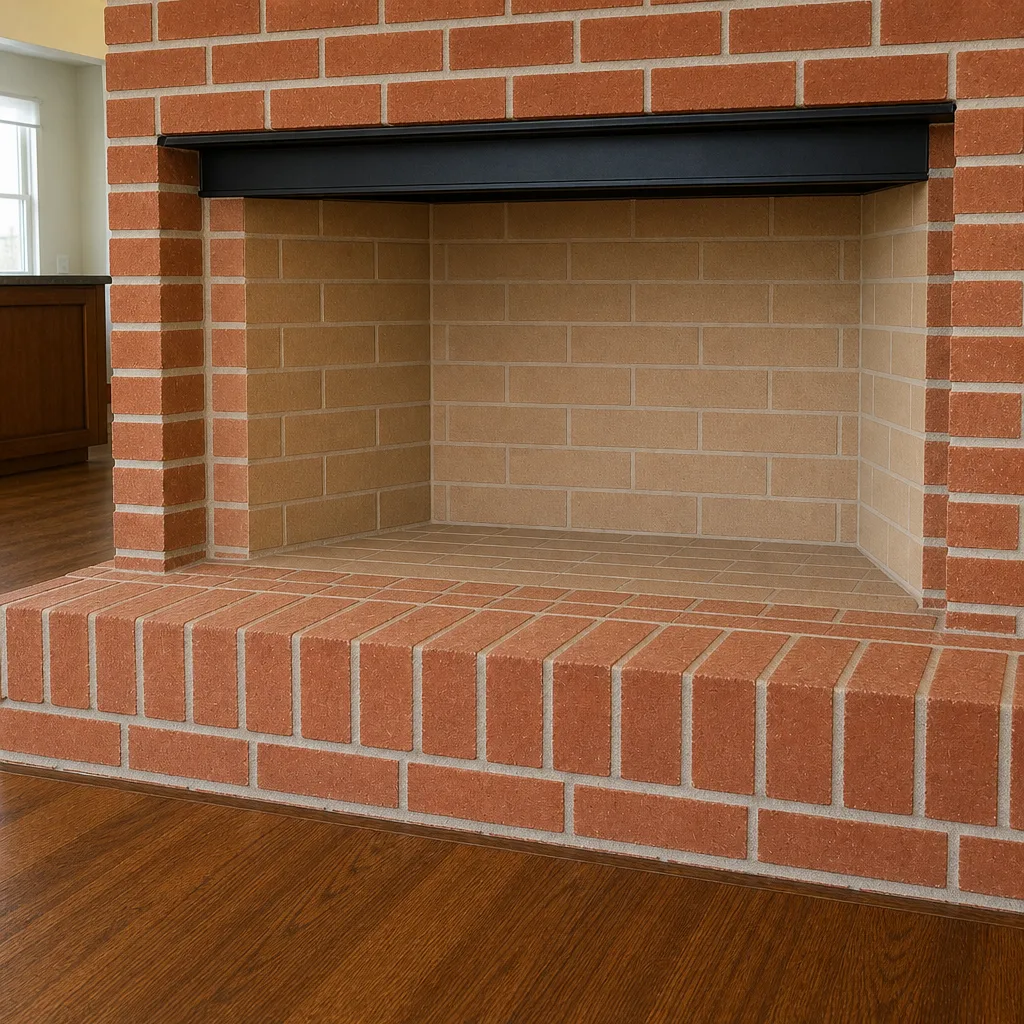
A traditional masonry fireplace produces creosote, soot, and ash. The sweep removes deposits from the firebox, damper, smoke shelf, and full flue height. A rotary wire brush powered by a drill is the standard tool for glazed deposits, followed by a hand brush for detailing. The sweep should also check the firebrick, mortar joints, and the damper’s seal.
Gas Log Fireplaces
Gas logs do not produce creosote. They can, however, accumulate a fine white residue on the logs, soot on the damper, and most critically, a blockage in the flue from nesting birds or fallen debris if the chimney lacks a proper cap. Annual cleaning of a gas log fireplace is less about creosote and more about verifying venting integrity, checking the damper is properly clamped open where required, and inspecting the gas line and connections for signs of wear. The chimney cap and spark arrestor screen deserve special attention because a gas fireplace is rarely used strongly enough to discourage nesting.
Wood Stove Inserts
Wood stove inserts are efficient burners. They extract more heat from each load of wood and produce less smoke than an open fireplace. That efficiency, however, means cooler flue gases. Inserts are almost always connected to a stainless steel liner, often a DuraFlex flexible liner system that adapts to flues with offsets or irregular geometry. Because the liner is smaller in diameter than the original flue and insulated in many installations, it heats up quickly, but the dense particulates from compressed wood logs or less-than-dry wood can adhere tightly. These liners need a brush sized exactly to the liner diameter, and the technician must verify the liner’s integrity, including its connection to the appliance and the rain cap at the top.
BAAQMD Burn Restrictions and What They Mean for Your Chimney
The Bay Area Air Quality Management District, known locally as BAAQMD, regulates when residential wood burning is allowed in Sunnyvale. During winter Spare the Air days, burning wood, manufactured fire logs, or pellets is prohibited unless the home has no other source of heat and burning is necessary. These restrictions shape how Sunnyvale homeowners use their fireplaces.
The practical effect is that burning is often clustered into short windows when air quality is acceptable. A homeowner who might normally light one fire per week may light three fires over a long weekend when burn days align. That concentration of use in short bursts is exactly what accelerates glazed creosote formation. The chimney gets hot, cools completely, and gets hot again within days, cycling the deposits through repeated heating and cooling that hardens them.
There is also an inspection implication. Chimneys that sit idle for longer stretches between concentrated burn periods are more vulnerable to animal intrusion. Birds, squirrels, and raccoons find an unused chimney an attractive nesting site. A cap with proper screening prevents most of this, but many older Sunnyvale homes have caps that are damaged, missing, or sized incorrectly.
What a Professional Sweep Should Include
A legitimate chimney cleaning in Sunnyvale is not a quick pass with a brush. It is a systematic process that covers the entire venting system. When we clean a chimney, the following steps happen in order:
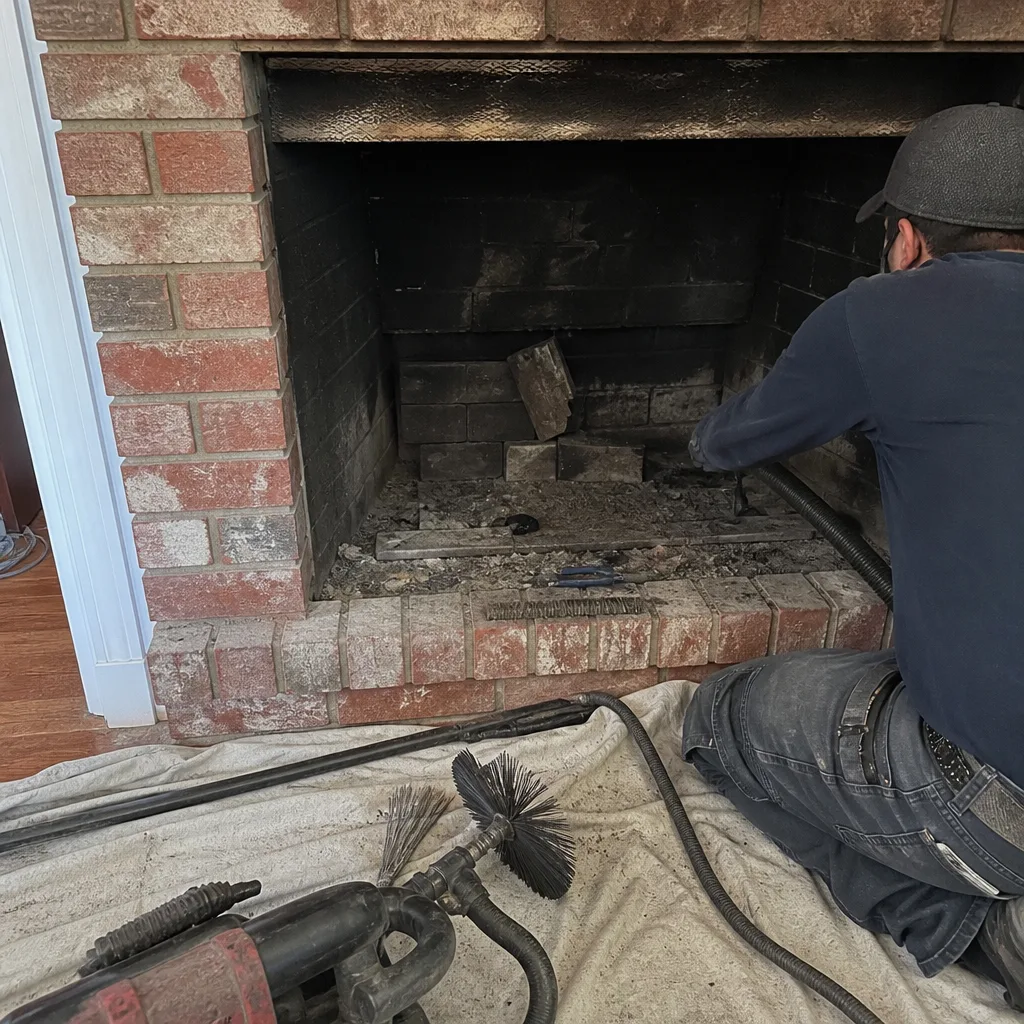
- Protection setup: Drop cloths are laid from the entry point to the fireplace. The firebox opening is sealed with a HEPA-filtered vacuum running to create negative pressure so dust does not enter the living space.
- Mechanical cleaning: The flue is cleaned with rotating brushes sized to the flue’s actual dimensions. For glazed creosote, we use chain knockers or rotary wire brushes capable of fracturing the hardened deposits.
- Smoke chamber and damper: The smoke shelf and damper housing are hand-brushed and vacuumed. These areas collect more debris than most homeowners realize.
- Firebox cleanup: Ash, soot, and debris are removed from the firebox floor and walls.
- Visual inspection: After cleaning, a camera or bright light inspection checks for cracks in flue tiles, damaged mortar joints, and any structural concerns that were hidden beneath the creosote.
- Cap and crown check: The technician examines the chimney cap, spark arrestor screen, and crown from the roof. This is where water intrusion starts and where most nesting is found.
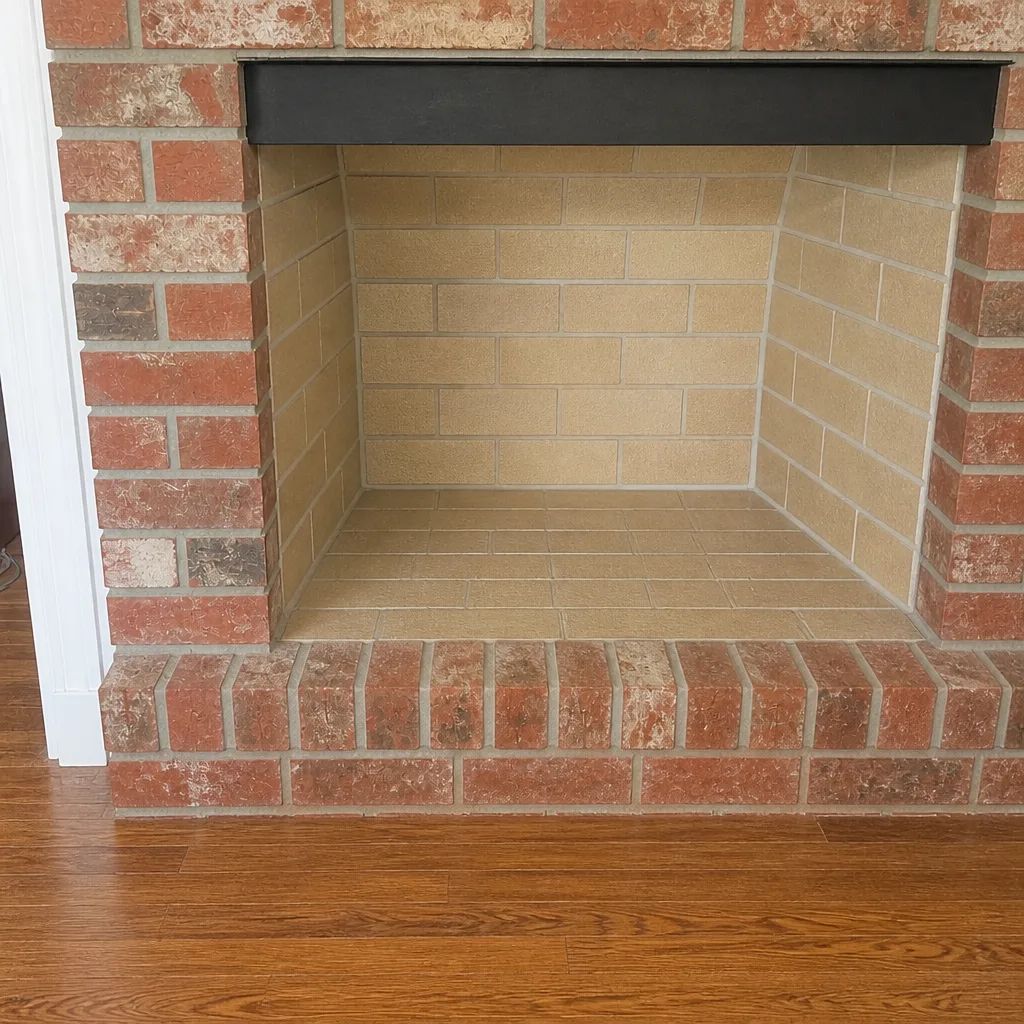
- Documentation: A written report with photos of anything notable, before and after images, and notes on the condition of each component.
On the materials side, when repairs are needed, we work with components from Famco for caps and dampers and Olympia Chimney for structural products. These are commercial-supply-grade parts, the same components specified by certified chimney engineers. When a liner needs replacement, a DuraFlex system is often the right solution because it adapts to flues with offsets. And when flue tiles are cracked but the chimney is otherwise sound, HeatShield resurfacing can restore the flue without a full reline, an option not every chimney company in the Bay Area offers.
What You Should Receive After Every Cleaning Visit
This is where many homeowners in Sunnyvale get short-changed. A proper sweep ends with documentation, not just a verbal “looks good.” If a company cannot hand you a written record of what they found and what they did, consider that a red flag.
After every cleaning, you should receive:
- A written inspection report describing the condition of the flue, firebox, damper, smoke chamber, cap, and crown
- Photos of the flue interior before and after cleaning, especially if creosote was stage two or three
- Any recommendations noted in writing, with an explanation of why they matter and whether they are urgent or can wait
- The BTU rating and type of venting system on file if you have a gas fireplace or insert
- Clear guidance on when the next sweep is due, based on your actual usage, not a generic one-year interval
We believe in the principle: inspect, explain, then repair. Nothing gets recommended without camera evidence you can see for yourself. If a flue tile is cracked, we show you the crack. If creosote is glazed, you see the before and after. That transparency is the difference between a maintenance visit and a sales pitch.
Common Mistakes to Avoid
- Skipping the sweep because you burned less than usual: Light use in Sunnyvale’s mild climate does not mean low creosote. It often means denser creosote from incomplete combustion. The only way to know is to look.
- Burning unseasoned wood from a roadside seller: Green wood produces cooler, smokier fires that deposit creosote rapidly. Buy from a supplier who can tell you the moisture content, and store wood covered and off the ground for at least six months before burning.
- Closing the damper too soon after a fire is out: Even after the flames die, hot coals continue emitting smoke and moisture. Wait until the coals are fully extinguished and the firebox is cool before closing the damper.
- Assuming a gas fireplace never needs service: Gas logs do not make creosote, but nesting, debris blockage, and venting issues are common. A gas fireplace that has not been checked in years is a carbon monoxide risk.
- Ignoring the dryer vent: The same household that maintains a fireplace often forgets the dryer. Lint buildup in the dryer vent is a leading cause of residential fires, and dryer vent cleaning can be done in the same appointment as a chimney sweep, addressing two fire-risk systems at once.
- Hiring on price alone: A chimney sweep is technical work. The lowest bid often means a hand brush passed through the flue without a camera inspection, no smoke chamber cleaning, and no documentation. You are paying for a partial job.
- Waiting until fall: Every chimney company gets slammed in October and November. Schedule your sweep in late spring or summer. The chimney is clean, dry, and ready when burn season begins, and you avoid the rush pricing and longer waits.
When to Call a Professional
Some maintenance tasks around the home are handyman territory. Chimney cleaning is not one of them. The flue is hidden, the debris is toxic, the deposits are stubborn, and the height requires roof work. A professional sweep has the brushes, vacuums, cameras, and training to work safely and verify the system is sound.
Call a chimney professional if you notice any of these signs:
- Smoke backing up into the room when a fire is lit
- A strong campfire-like odor from the fireplace even when it is not in use
- Visible dark staining on the wall above the fireplace opening
- Crumbling or flaking brick inside the firebox
- Water stains on the ceiling near the chimney after rain
- Any sign of animal activity, including scratching sounds or droppings in the firebox
Chimney Cleaning Sunnyvale offers free estimates in Sunnyvale. Call (833) 593-7116. We answer 24/7. Fast dispatch from 7am to 7pm, Sunday through Friday.
Frequently Asked Questions
Chimney cleaning in Sunnyvale typically costs between $200 and $450 for a standard open fireplace sweep, depending on the flue’s condition, the degree of creosote buildup, and whether any repairs are identified during the inspection. The written estimate sets the final price, and estimates are free. Call (833) 593-7116 for an exact quote.
The baseline is once per year for a wood-burning fireplace used regularly. Homes that burn only occasionally may be able to stretch to 18 months, but given the glazed creosote patterns we see from short, low-heat fires in mild climates, an annual inspection at minimum is the safer call. Gas log fireplaces should be inspected annually, though they may not need a full sweep every year. Wood stove inserts burning compressed logs need checking at least annually, often twice depending on volume.
Not necessarily. Cracked flue tiles compromise the chimney’s ability to contain heat and combustion gases, but they do not always mean a full reline is the only option. HeatShield resurfacing can often restore the flue’s integrity by applying a ceramic coating to the damaged tiles. This is a structurally sound, cost-conscious alternative that avoids the displacement of a full liner replacement. The decision depends on the extent of the damage, which a camera inspection reveals. We show you the images and explain your options without pressure.
Creosote continues to accumulate and hardens from stage one flaky deposits into stage two granular crust and eventually stage three glazed coating. Glazed creosote is highly combustible and cannot be removed with hand brushes alone. Beyond fire risk, an uncleaned chimney hides structural problems: cracks in flue tiles, deteriorating mortar, and water intrusion that escalate in repair cost the longer they go unaddressed. The most expensive chimney problems are the ones found late.
Yes. The Bay Area Air Quality Management District issues winter Spare the Air alerts that prohibit wood burning in Sunnyvale on announced days, with limited exceptions for homes with no other heat source. Check the BAAQMD website before lighting a fire on cold, still days. These restrictions create irregular burn patterns, which is another reason the annual inspection should actually assess the chimney rather than assume condition based on a calendar.
Yes. We offer both chimney sweeping and dryer vent cleaning as a single-source provider. One appointment can address the fireplace flue and the dryer exhaust, two of the most common residential fire sources in Sunnyvale homes. If you have a gas dryer, the venting and airflow are also directly tied to carbon monoxide safety inside the laundry room.
The Bottom Line
Chimney cleaning in Sunnyvale is not a one-size-fits-all checkbox. The mild climate, the influence of BAAQMD burn restrictions, and the mix of wood, gas, and insert systems across Sunnyvale homes create maintenance needs that differ from colder regions. Short, low-heat fires produce dense glazed creosote that seasonal light use does not prevent. The right approach pairs an annual inspection with cleaning methods matched to your specific hearth system, complete documentation, and repair recommendations backed by camera evidence. A properly maintained chimney burns more efficiently, lasts longer, and gives you a clear picture of what is happening inside your flue, not just what a guess on paper says.
Written by the team at Chimney Cleaning Sunnyvale, serving Sunnyvale since 2014.
See the difference
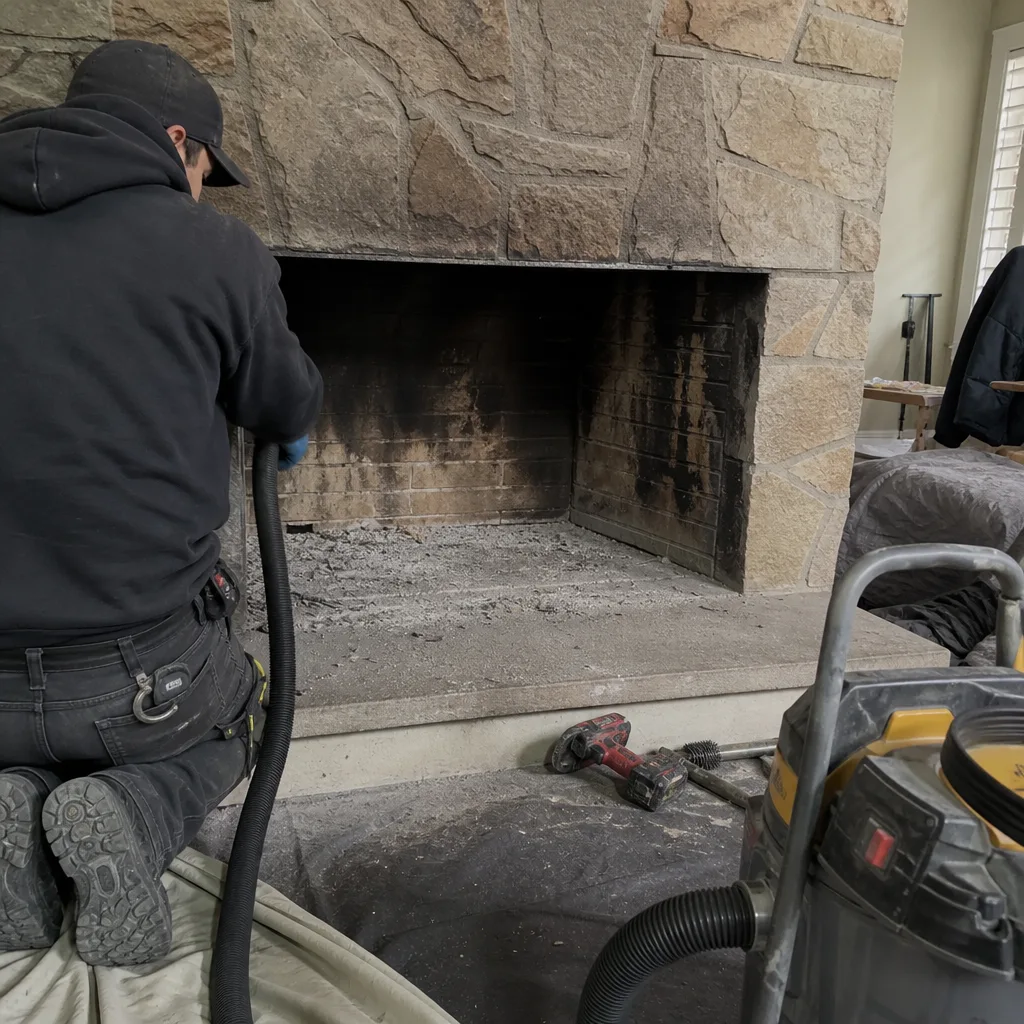 Before
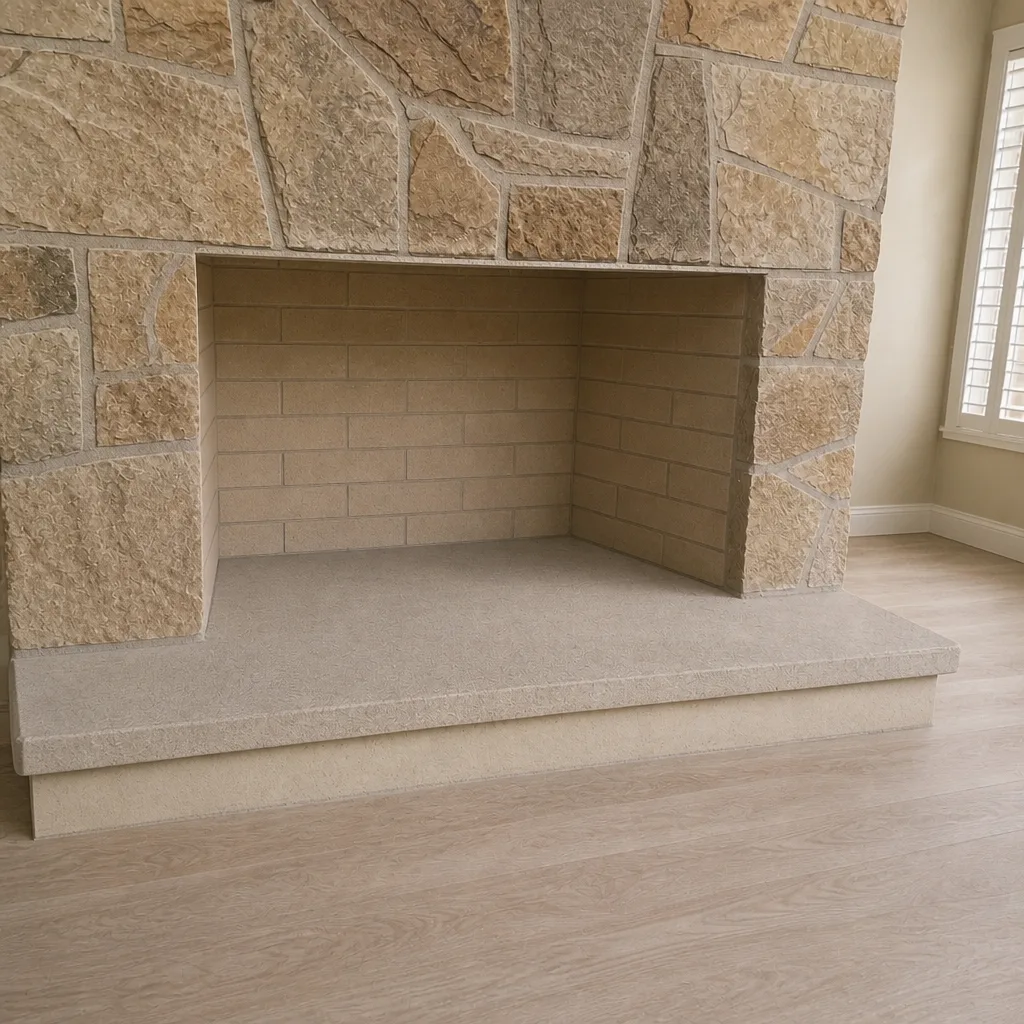 After
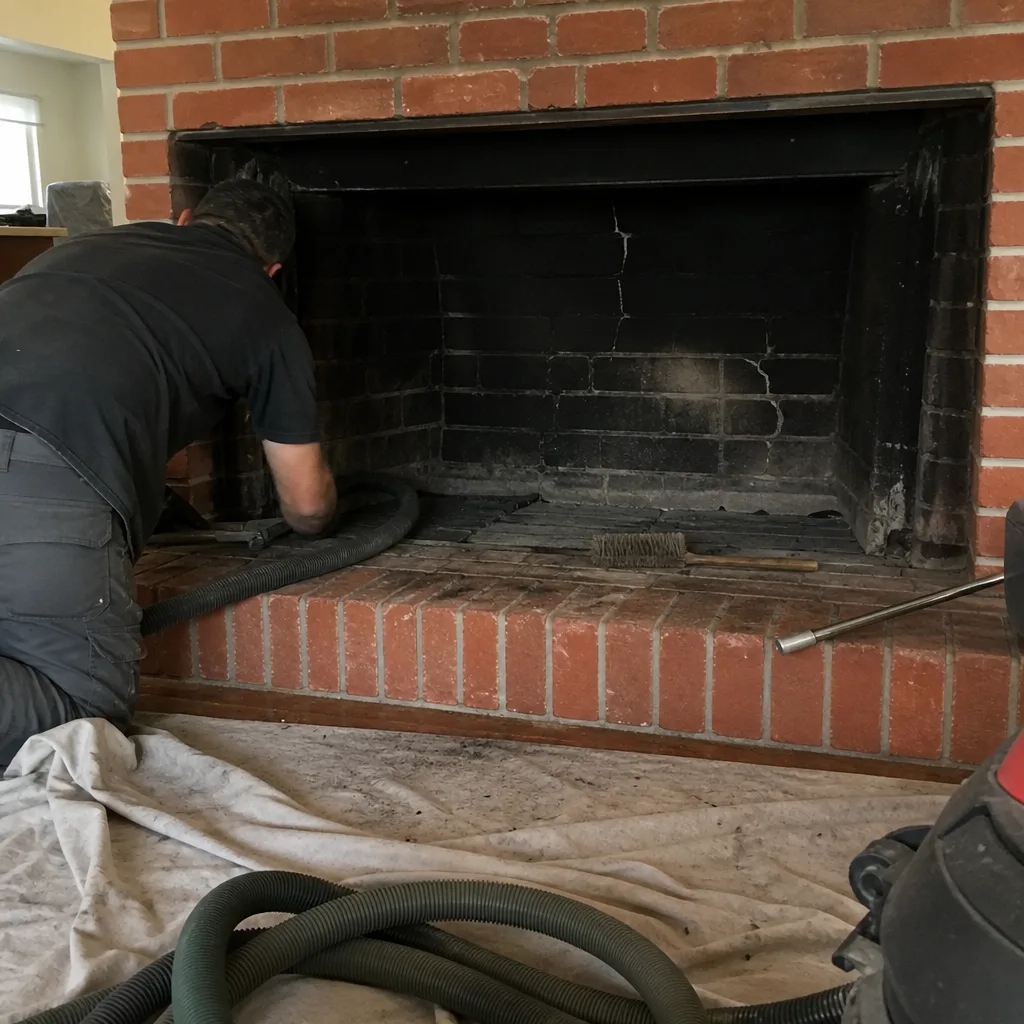 Before
 After
 Before
 After